Chojuro Asian Pear Bareroot
History: Chojuro (translated from Japanese as 'plentiful') was found as a chance seedling in the orchard of Toma Tatsujiro in Japan around 1895. From there it became the most popular pear in Japan until modern varieties began to supplant it in the 1950s. In Kawasaki, the city where Toma's orchard was located, a monument still stands to commemorate his work as a pear breeder. Chojuro is the most popular Asian pear in North America.
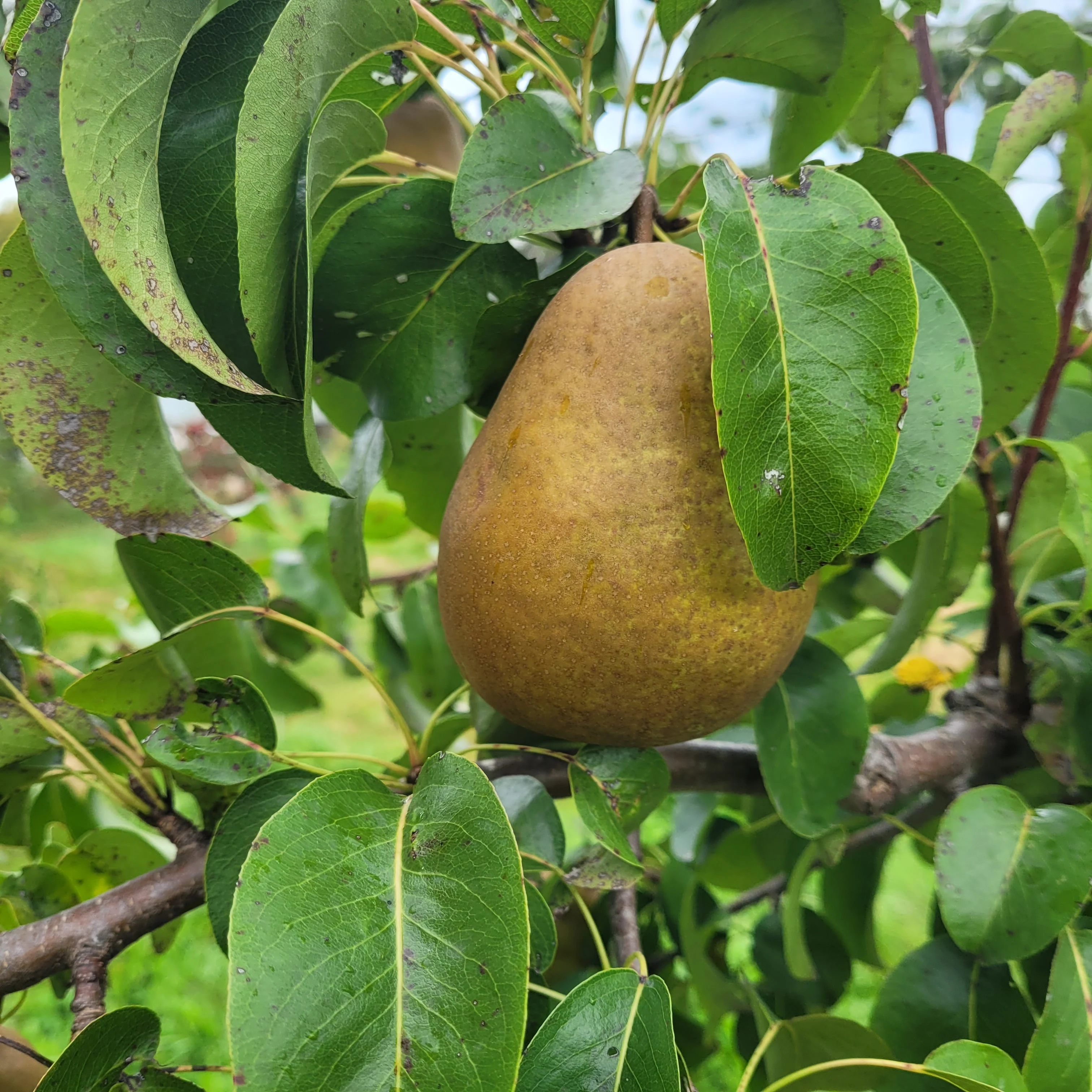
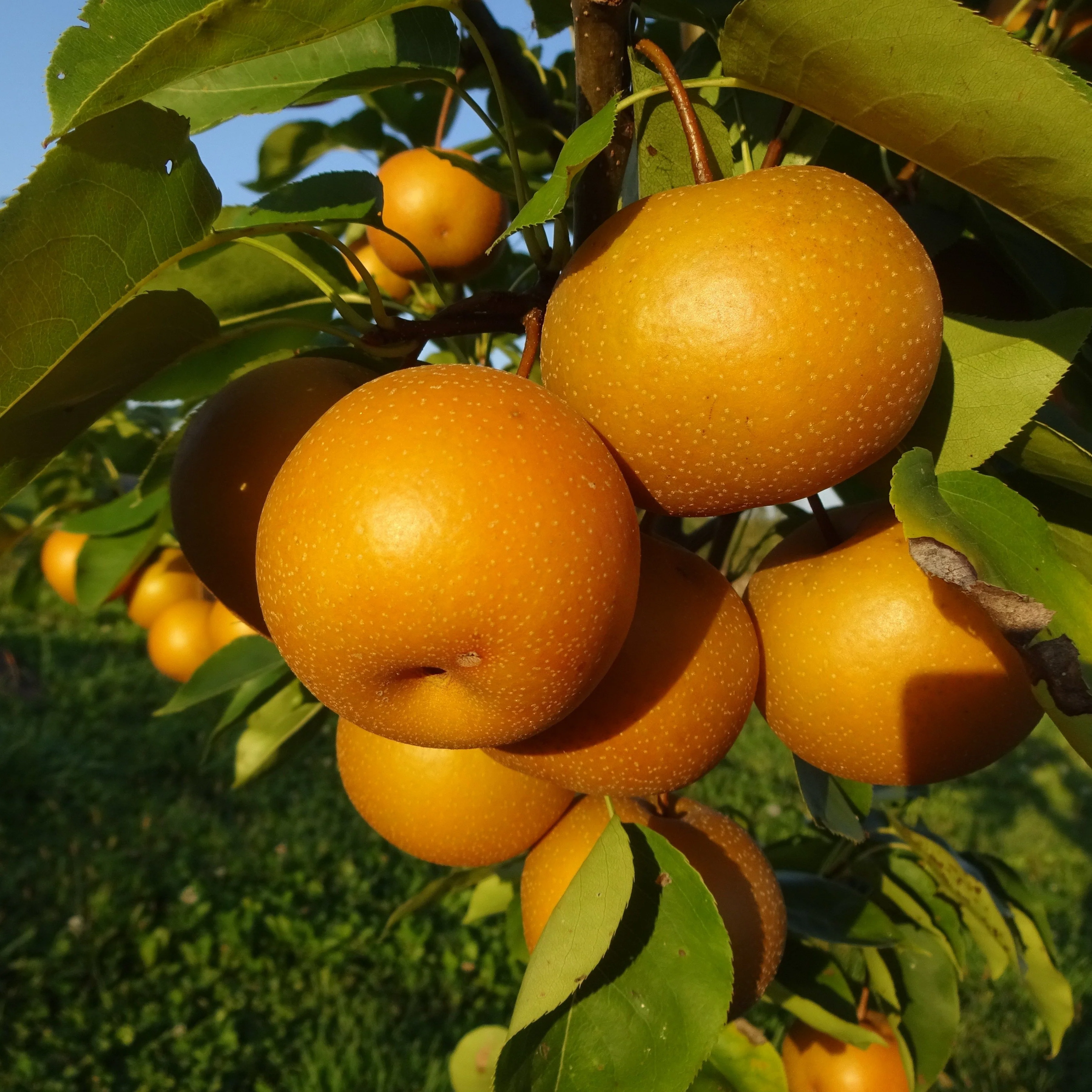
Why We Grow It: This popular Japanese heritage variety is hard to turn down. The flattish round fruit has russeted brown skin and can be quite large, and is excellent quality when the fruit is left to ripen into October: the sweet, crisp flesh takes on notes of butterscotch and/or white freezie! We recommend picking it when the colours turns yellow-brown so it will store through winter, otherwise it does not keep if allowed to over-ripen on the tree.
Original: $26.73
-70%$26.73
$8.02Product Information
Product Information
Shipping & Returns
Shipping & Returns
Description
History: Chojuro (translated from Japanese as 'plentiful') was found as a chance seedling in the orchard of Toma Tatsujiro in Japan around 1895. From there it became the most popular pear in Japan until modern varieties began to supplant it in the 1950s. In Kawasaki, the city where Toma's orchard was located, a monument still stands to commemorate his work as a pear breeder. Chojuro is the most popular Asian pear in North America.
Why We Grow It: This popular Japanese heritage variety is hard to turn down. The flattish round fruit has russeted brown skin and can be quite large, and is excellent quality when the fruit is left to ripen into October: the sweet, crisp flesh takes on notes of butterscotch and/or white freezie! We recommend picking it when the colours turns yellow-brown so it will store through winter, otherwise it does not keep if allowed to over-ripen on the tree.