Blenheim Orange Apple Bareroot
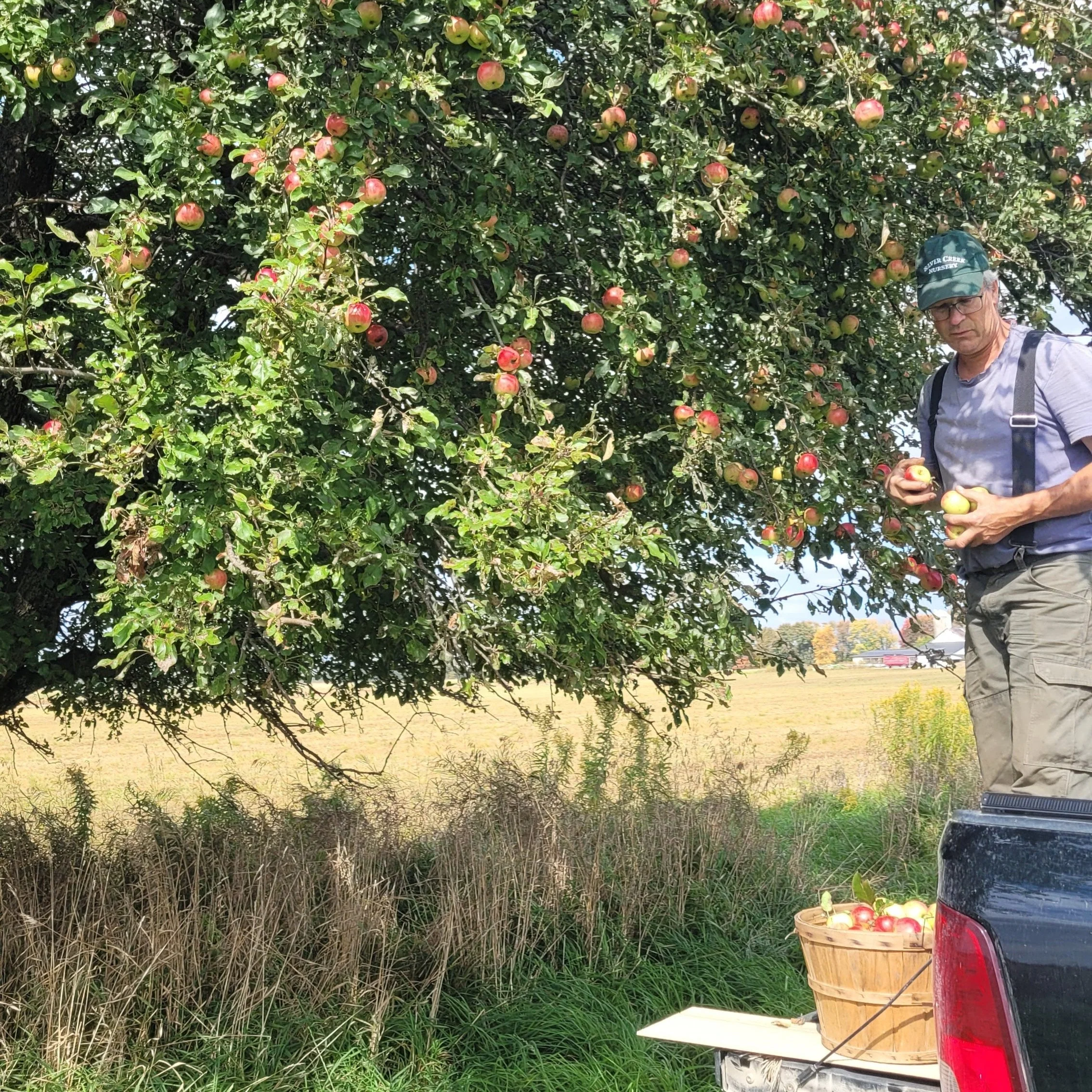
History: The history of Blenheim Orange is a bit muddled depending on your source. We know it was discovered by George Kempster (either a baker, a tailor, or a basket weaver depending on who you ask!) in England in 1740 and it was originally named Kempster's Pippin. Some say he found it as a seedling growing along a wall of Blenheim Palace while others claim he grew it in his garden located near Blenheim, England. It was later renamed to Blenheim Orange in the early 1800s, likely when it was sold commercially through nurseries. This variety has many other names, including: Beauty of Dumbleton, Blooming Orange, and Northwitch Blenheim. The tree itself is also known for its sturdy wood and it was at one time popularly used to make railway cogs.
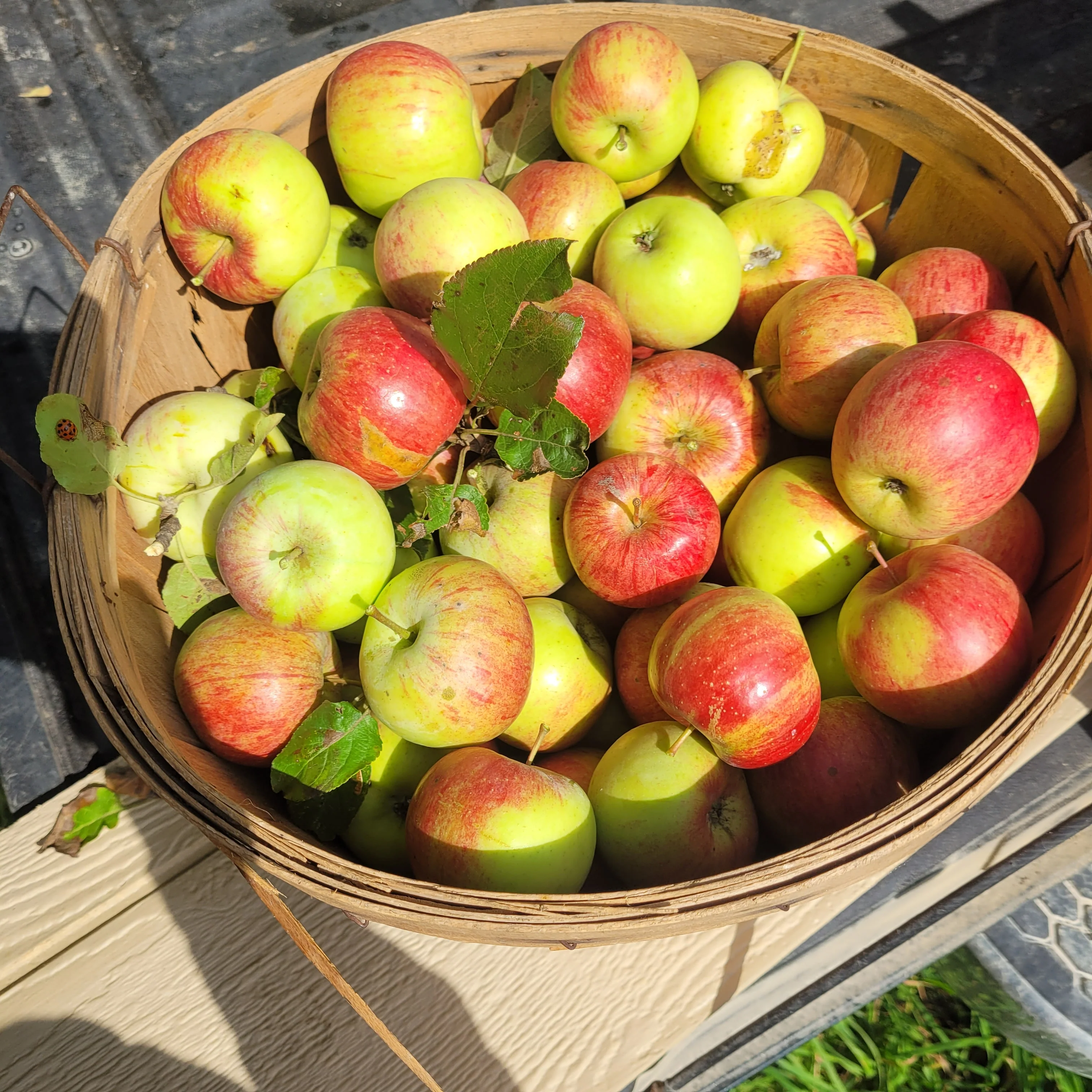
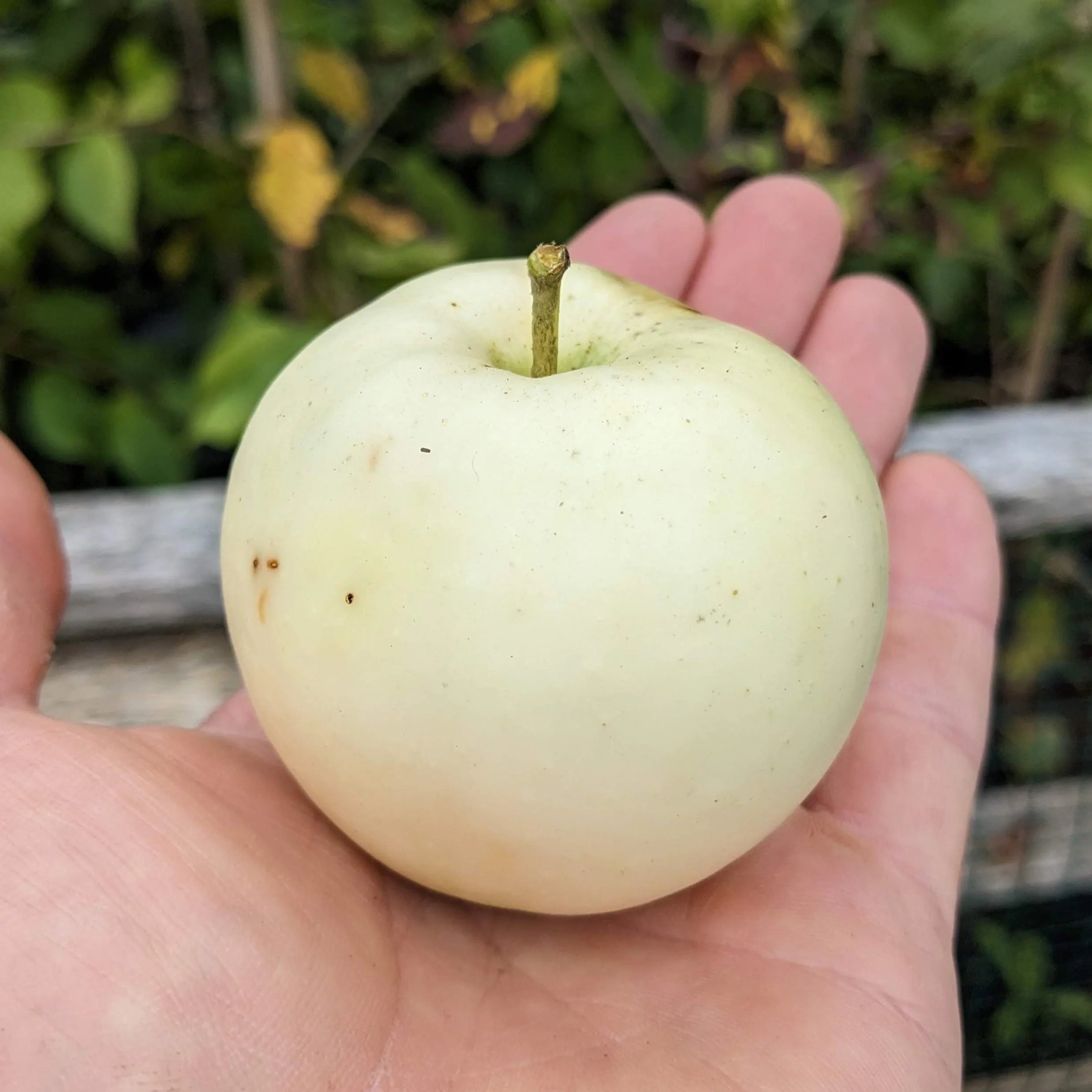
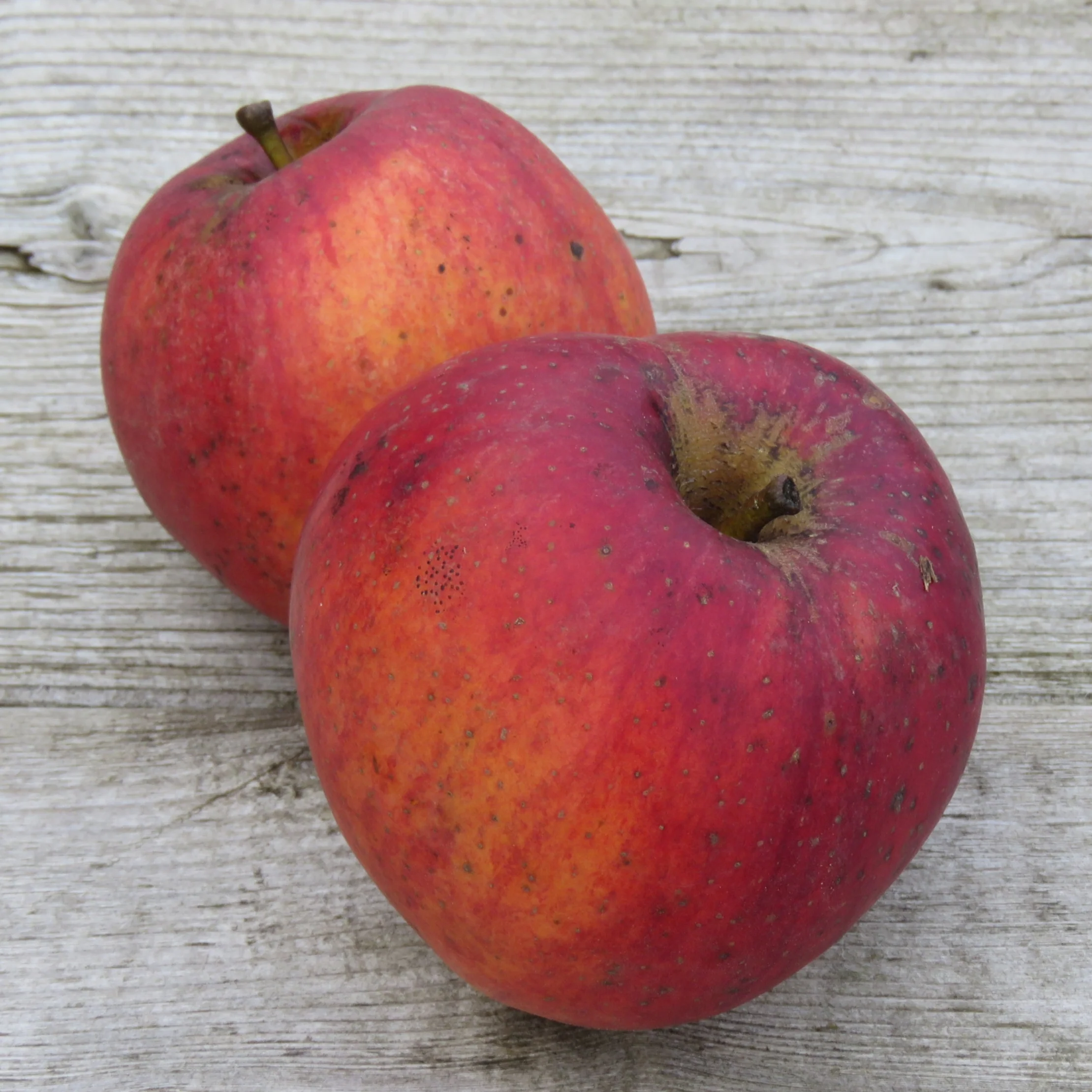
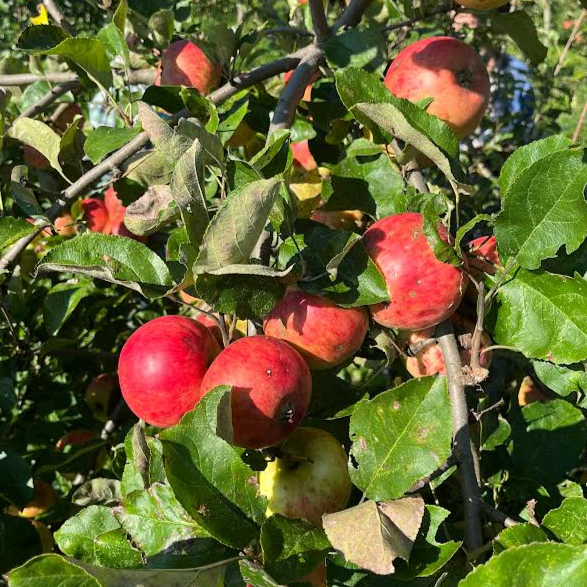
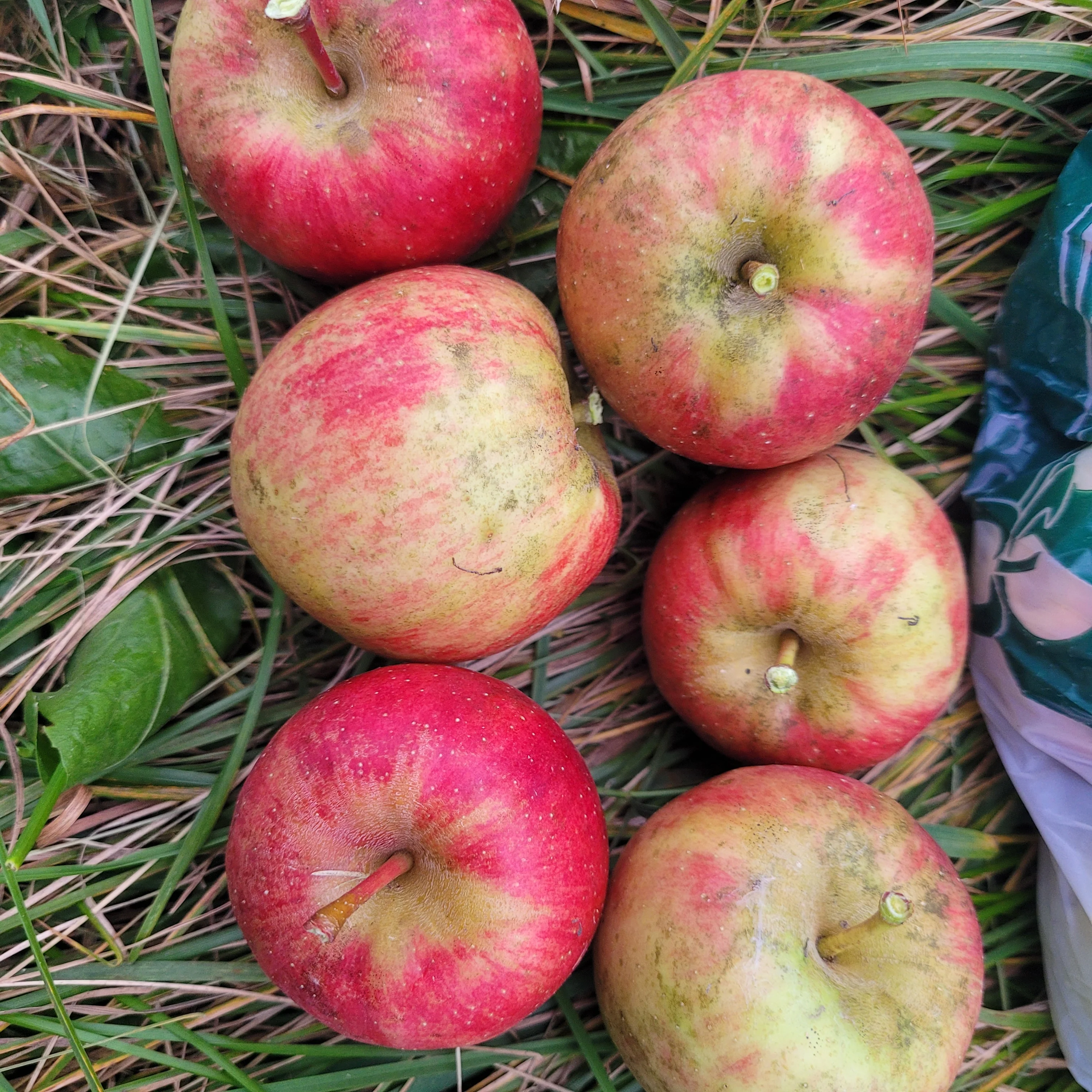
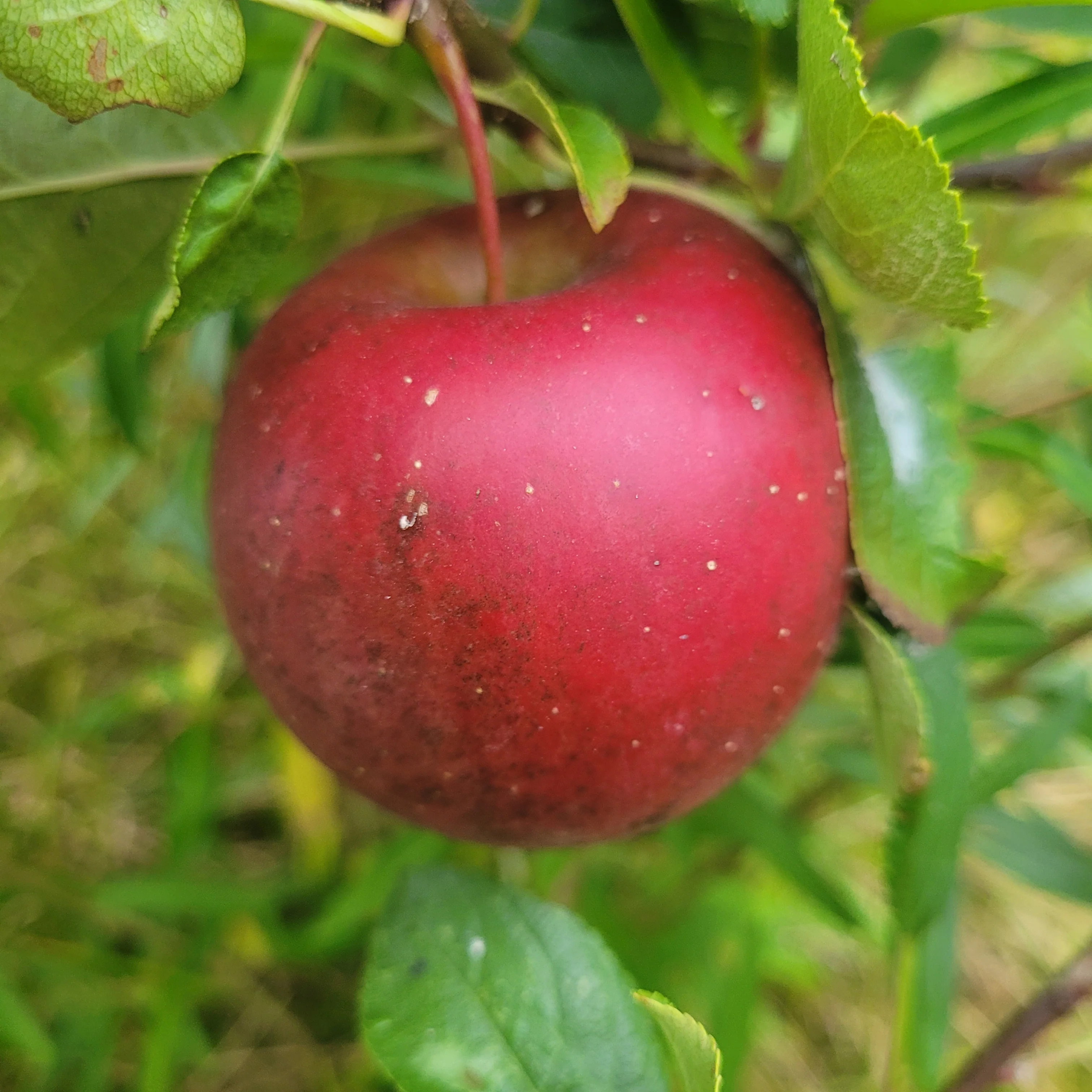
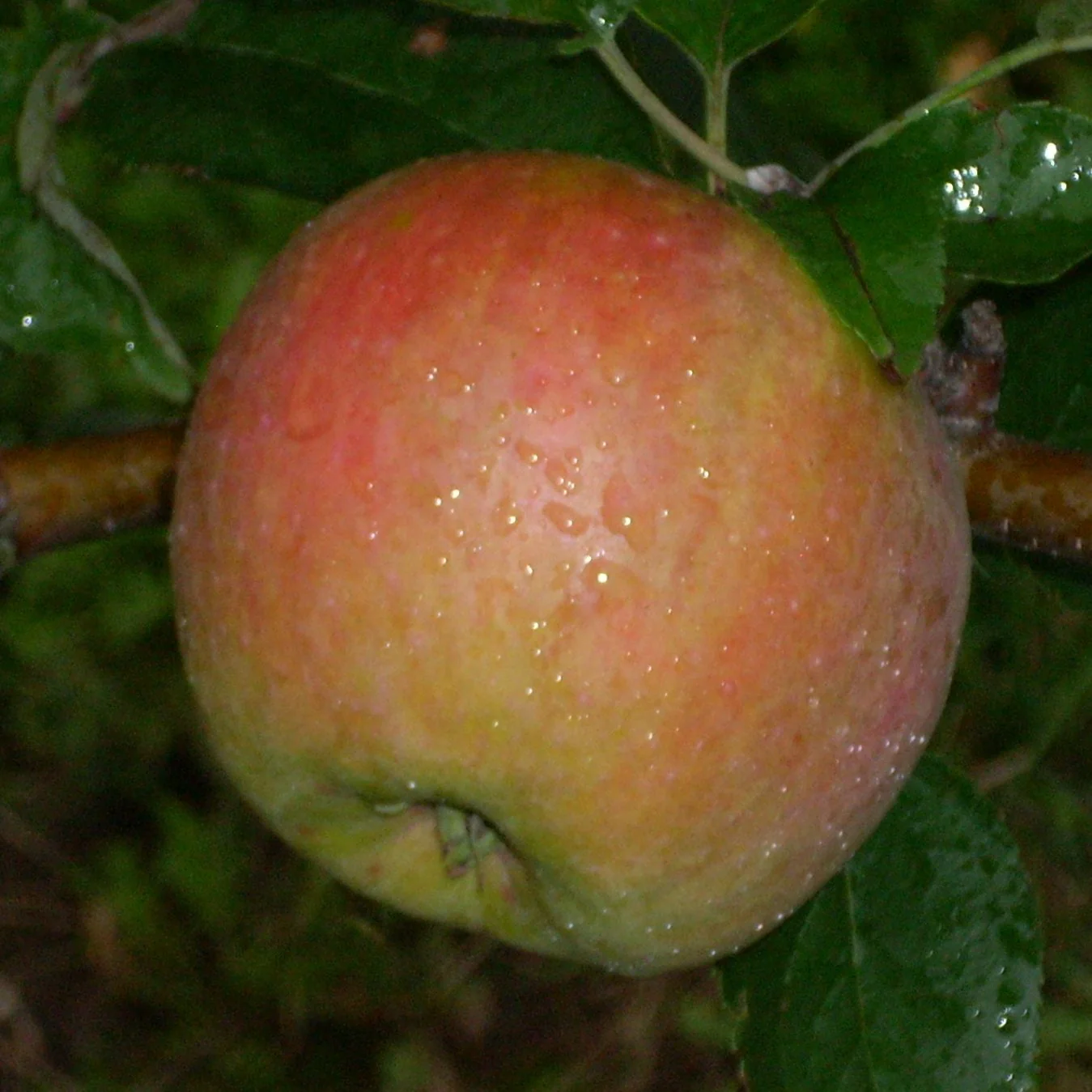
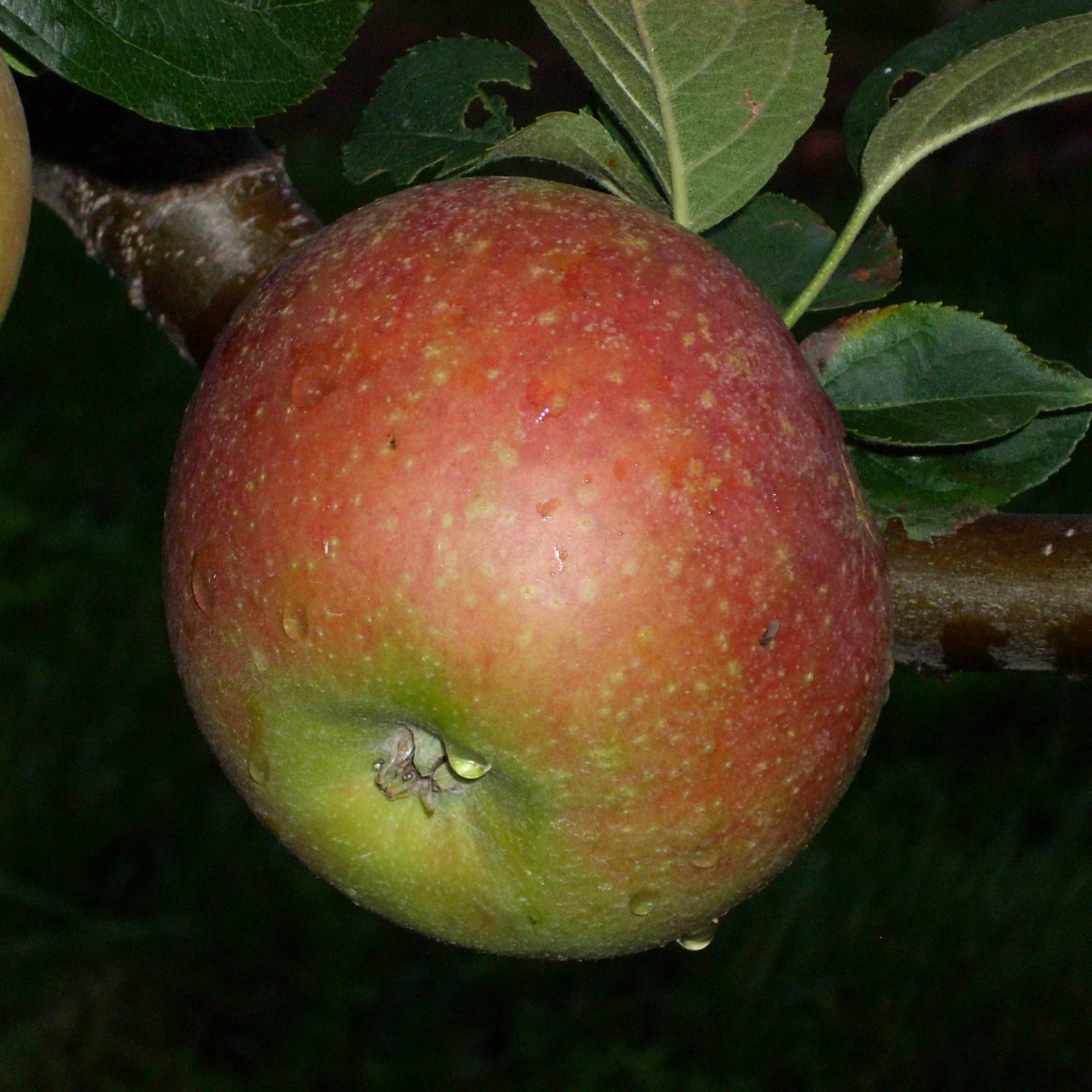
Why We Grow It: These large, somewhat flat apples feature orangey-red stripes over yellow skin with some russet. The fruit is good for fresh eating with a nutty taste and is quite nice when paired with cheese. It is also great for cooking and makes a stiff purée. The tree is highly vigorous but can be slow to come into production, although it has heavy crops once it does.
Original: $26.73
-70%$26.73
$8.02Product Information
Product Information
Shipping & Returns
Shipping & Returns
Description
History: The history of Blenheim Orange is a bit muddled depending on your source. We know it was discovered by George Kempster (either a baker, a tailor, or a basket weaver depending on who you ask!) in England in 1740 and it was originally named Kempster's Pippin. Some say he found it as a seedling growing along a wall of Blenheim Palace while others claim he grew it in his garden located near Blenheim, England. It was later renamed to Blenheim Orange in the early 1800s, likely when it was sold commercially through nurseries. This variety has many other names, including: Beauty of Dumbleton, Blooming Orange, and Northwitch Blenheim. The tree itself is also known for its sturdy wood and it was at one time popularly used to make railway cogs.
Why We Grow It: These large, somewhat flat apples feature orangey-red stripes over yellow skin with some russet. The fruit is good for fresh eating with a nutty taste and is quite nice when paired with cheese. It is also great for cooking and makes a stiff purée. The tree is highly vigorous but can be slow to come into production, although it has heavy crops once it does.