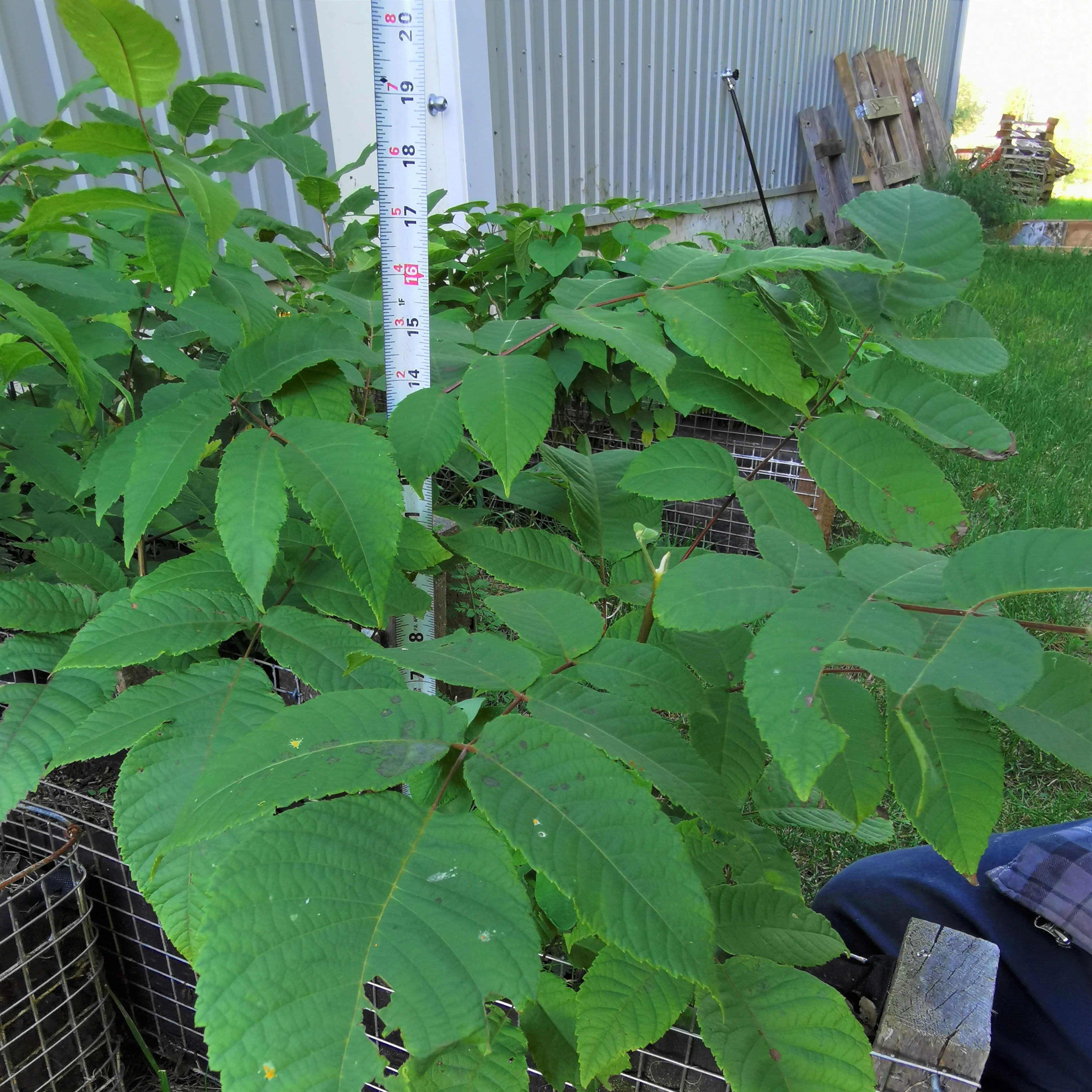
Butternut Seedling Bareroot
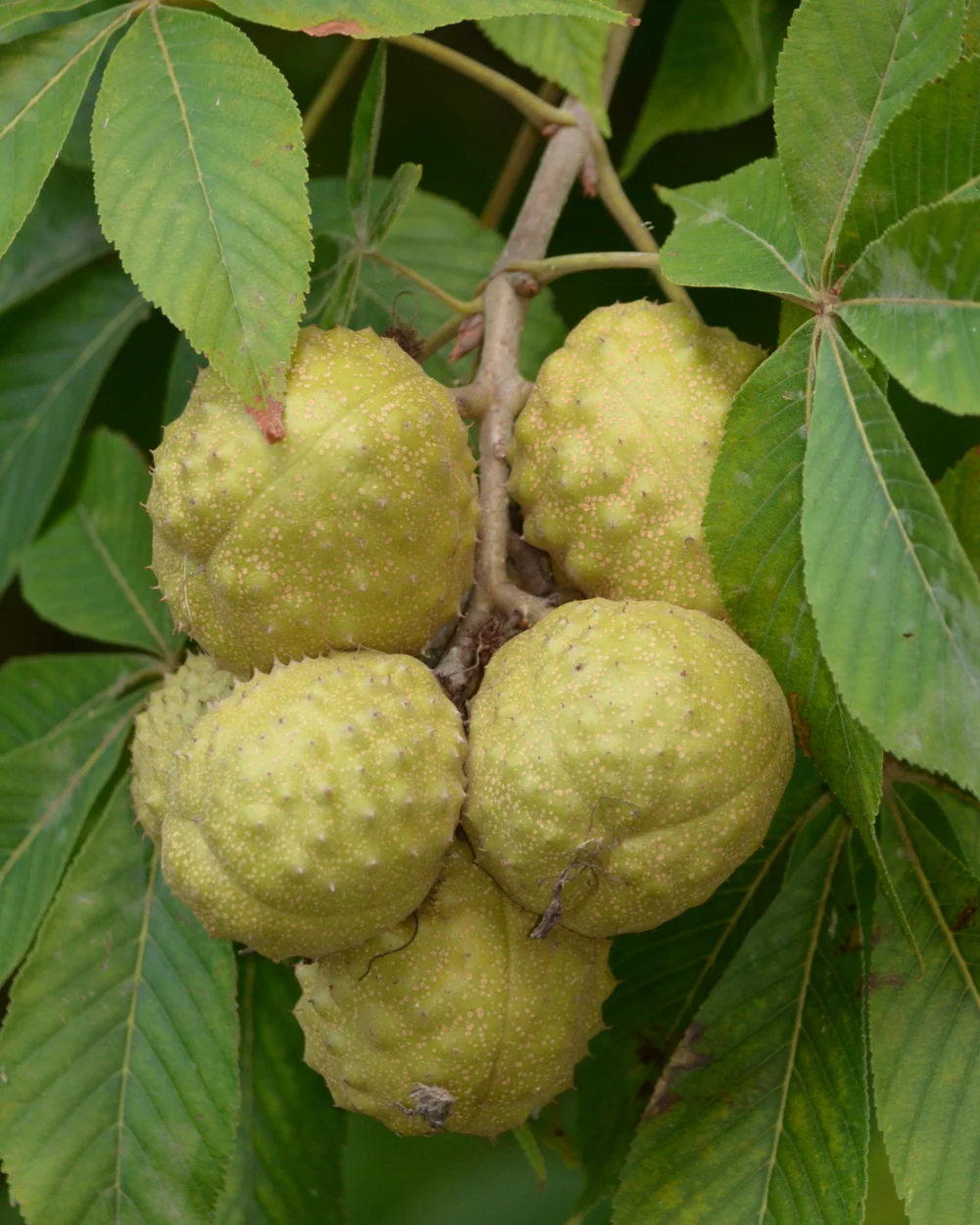
Species: Juglans cinerea or hybrid. NOTE: Butternuts are known to hybridize readily with other closely related species so there is no guarantee on whether these seedlings are pure, though the mother trees appear very true to type.
History: Butternut is an endangered tree native to southeastern Canada and the eastern United States where they grow naturally along sunny stream banks with rich, well-draining soil. The nuts have been used as a source of food and made into a butter-like oil by indigenous peoples. The trees have also been used for making syrup, furniture, and woodcarving. Unfortunately, Butternuts are highly endangered today due to Butternut Canker which has decimated their population within two decades.
Why We Grow It: By planting endangered species, collectively we can help Mother Nature potentially find a naturally resistant variety of Butternut. The nuts are quite similar to other walnuts but with a milder flavour. They can survive in zone 2, but they must be planted somewhere zone 3 or warmer to produce nuts. The sap can be boiled to make walnut syrup, which tastes very similar to maple syrup but with notes of caramel and butterscotch.
Be mindful of the juglones in the in the roots/nut husks, they are toxic to many other species. They require a buffer of about 50'/30m from the edge of the trees canopy for juglone-sensitive plants. This article from The Garden Hoe has a helpful list of plants that tolerate juglones. However there are recent (2019) studies showing healthy soil high in organic matter and mycorrhizal fungi actually reduce the toxicity of juglones suggesting many plants can grow below juglans species in a healthy ecosystem - it will be interesting to see more study done in this area!
Original: $14.81
-70%$14.81
$4.44Product Information
Product Information
Shipping & Returns
Shipping & Returns
Description
Species: Juglans cinerea or hybrid. NOTE: Butternuts are known to hybridize readily with other closely related species so there is no guarantee on whether these seedlings are pure, though the mother trees appear very true to type.
History: Butternut is an endangered tree native to southeastern Canada and the eastern United States where they grow naturally along sunny stream banks with rich, well-draining soil. The nuts have been used as a source of food and made into a butter-like oil by indigenous peoples. The trees have also been used for making syrup, furniture, and woodcarving. Unfortunately, Butternuts are highly endangered today due to Butternut Canker which has decimated their population within two decades.
Why We Grow It: By planting endangered species, collectively we can help Mother Nature potentially find a naturally resistant variety of Butternut. The nuts are quite similar to other walnuts but with a milder flavour. They can survive in zone 2, but they must be planted somewhere zone 3 or warmer to produce nuts. The sap can be boiled to make walnut syrup, which tastes very similar to maple syrup but with notes of caramel and butterscotch.
Be mindful of the juglones in the in the roots/nut husks, they are toxic to many other species. They require a buffer of about 50'/30m from the edge of the trees canopy for juglone-sensitive plants. This article from The Garden Hoe has a helpful list of plants that tolerate juglones. However there are recent (2019) studies showing healthy soil high in organic matter and mycorrhizal fungi actually reduce the toxicity of juglones suggesting many plants can grow below juglans species in a healthy ecosystem - it will be interesting to see more study done in this area!