Damson European Plum Scionwood
History: This European plum has contentious origins, making it difficult to determine if it is very old or extremely old. The name 'damson' stems from the Latin 'damascenum' meaning 'plum of Damascus.' As the name implies, some believe this plum may have come from the ancient city of Damascus and was brought to England by the Romans, making this plum thousands of years old. While this theory has been highly contested, there is ample evidence to prove that Damson plums have been grown in England for hundreds of years. It was introduced to the US in 1800 and was a a favourite due to its adaptability to its new home.
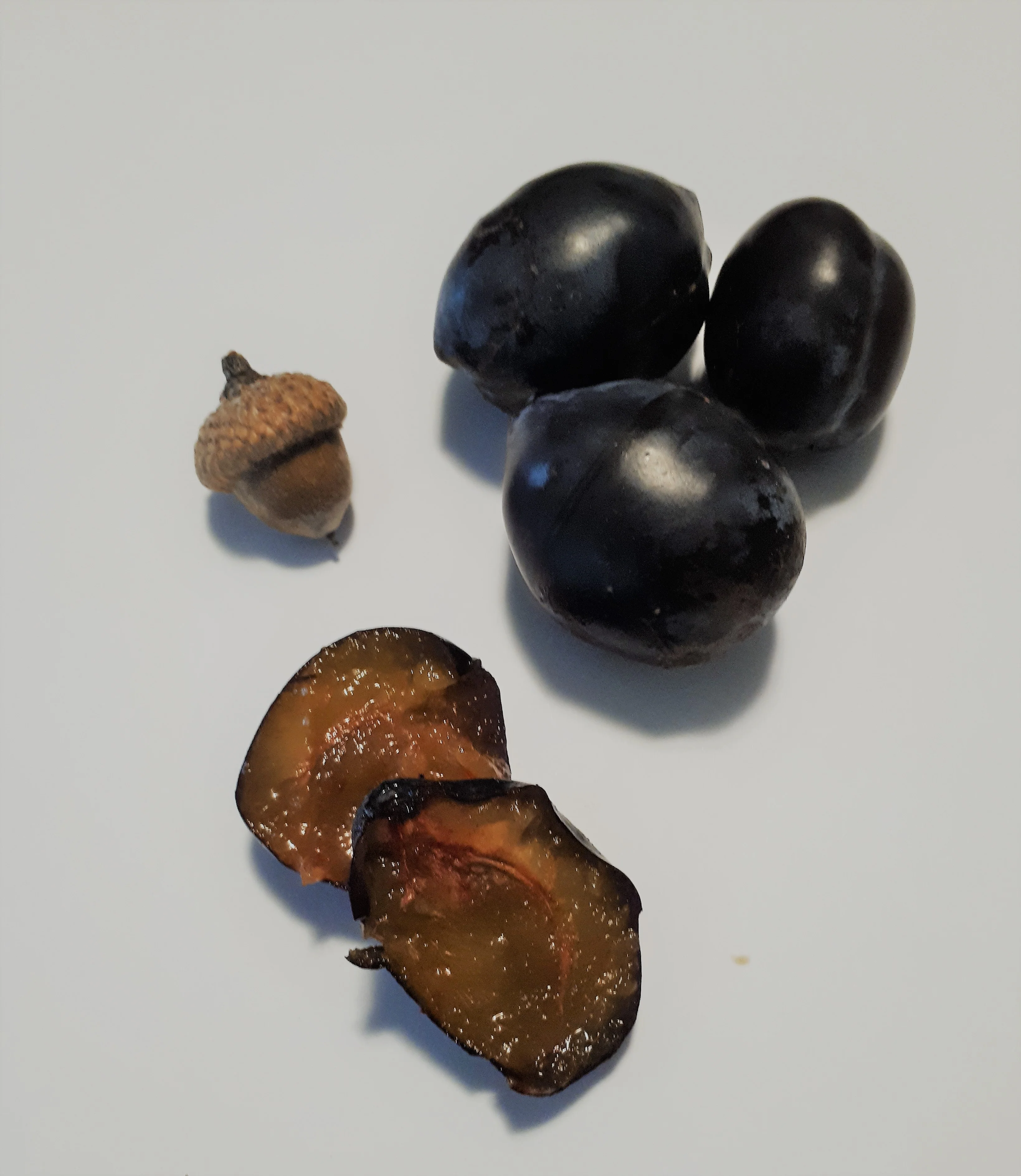
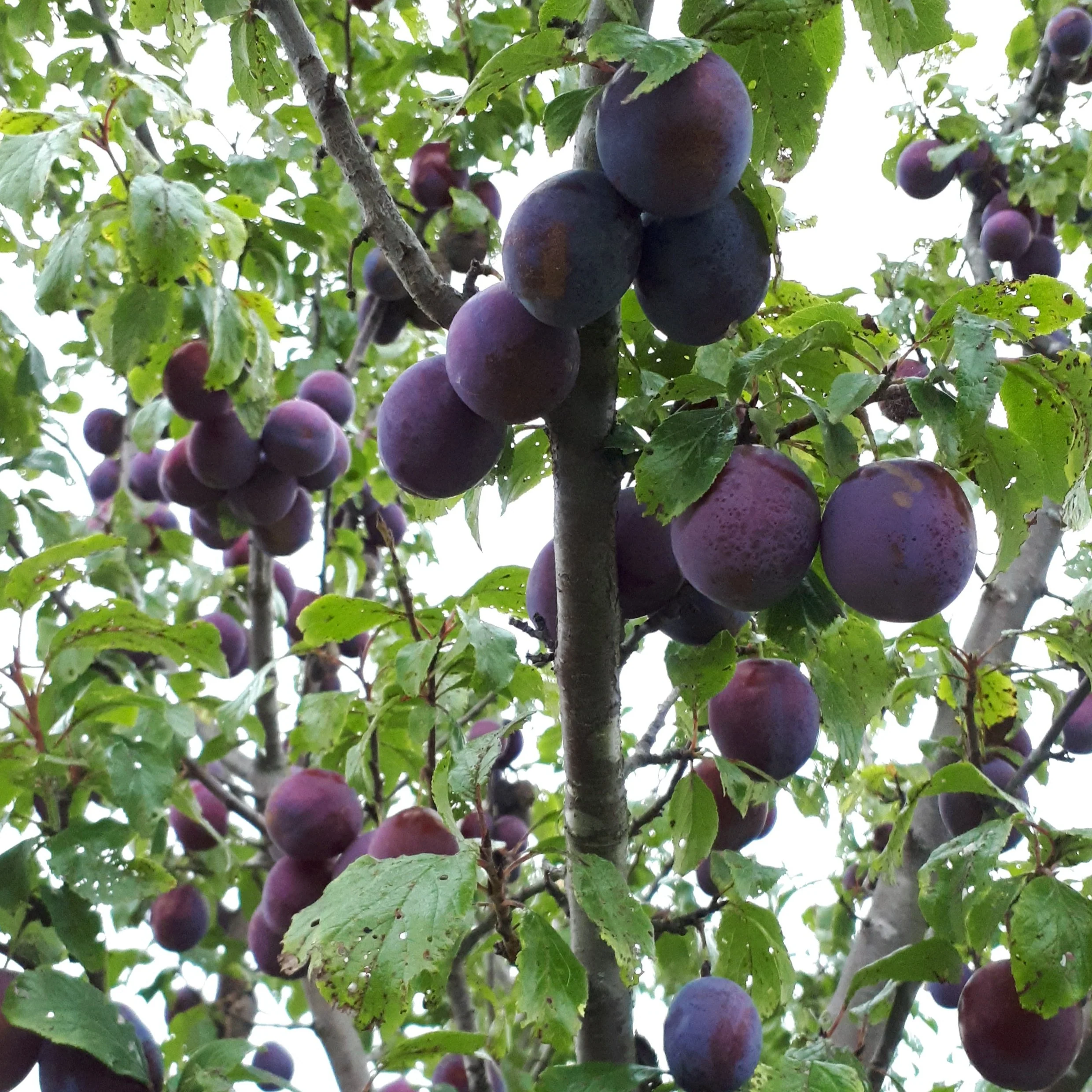
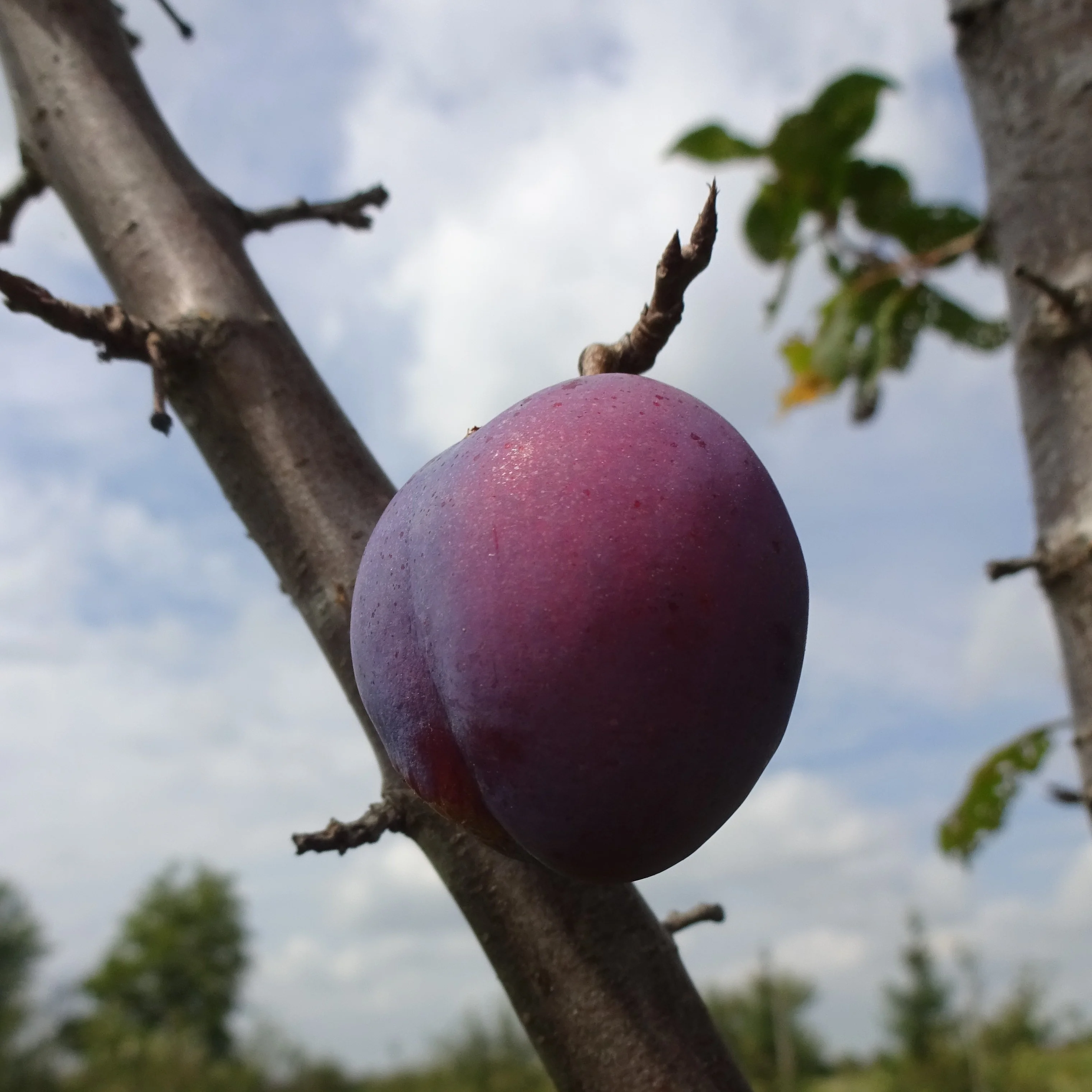
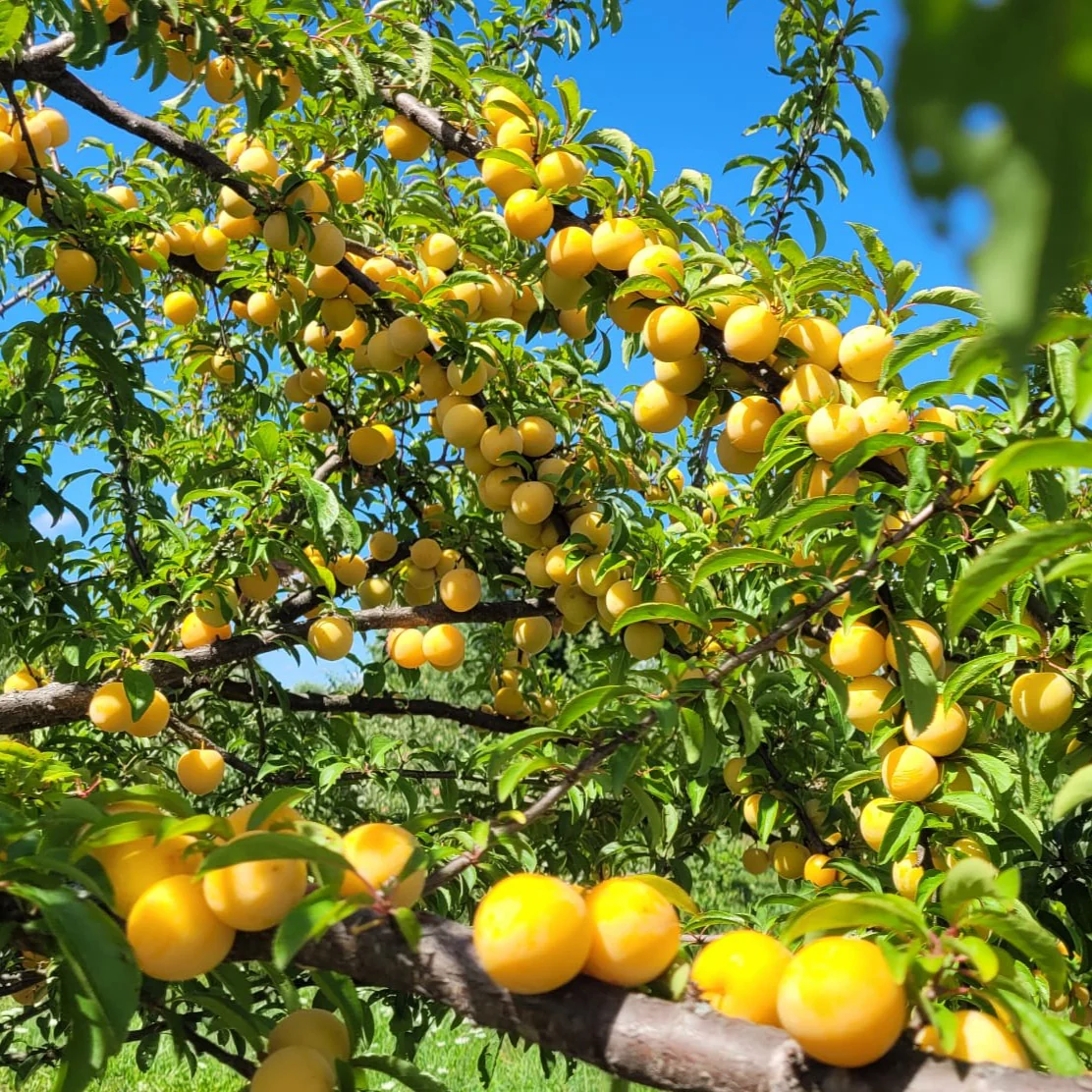
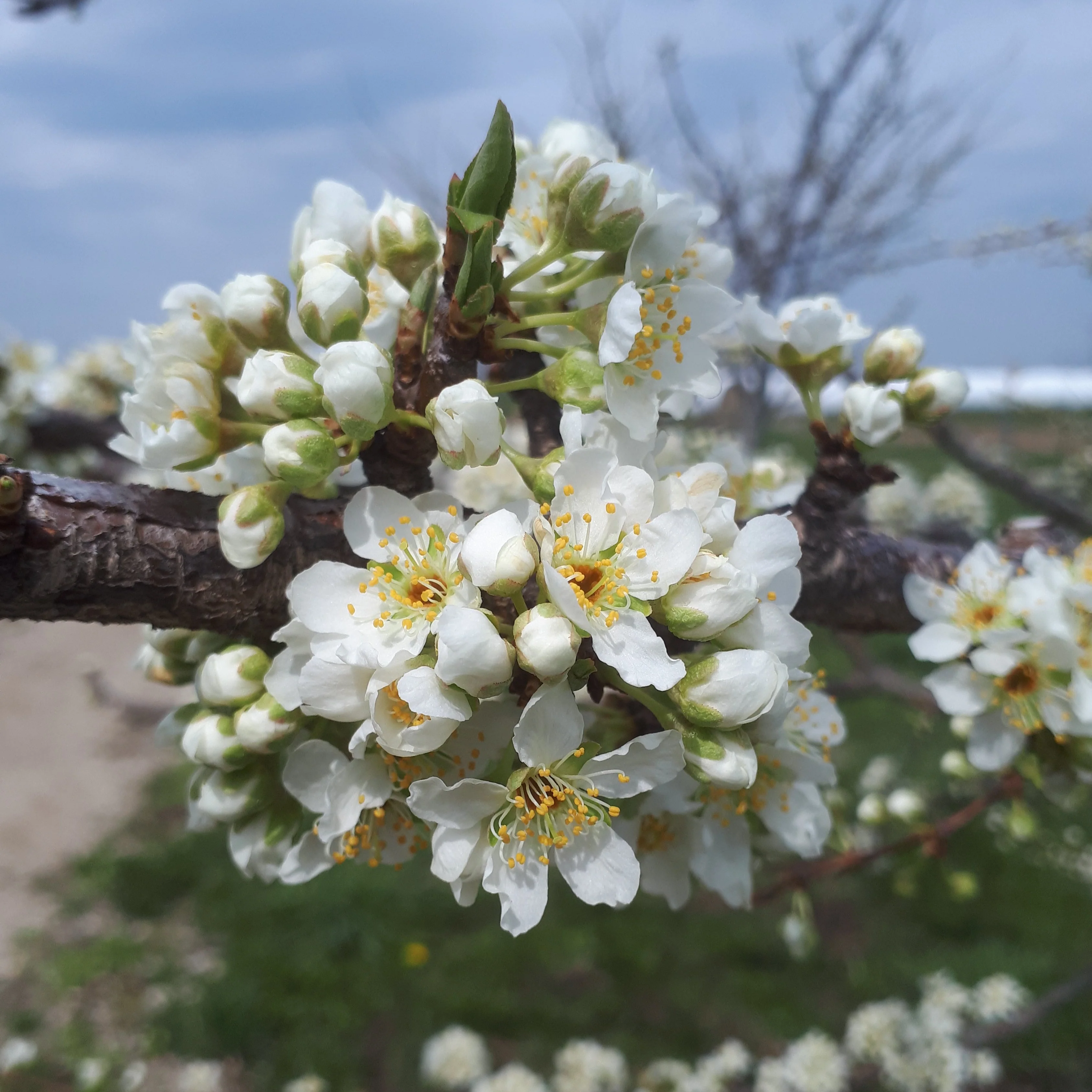
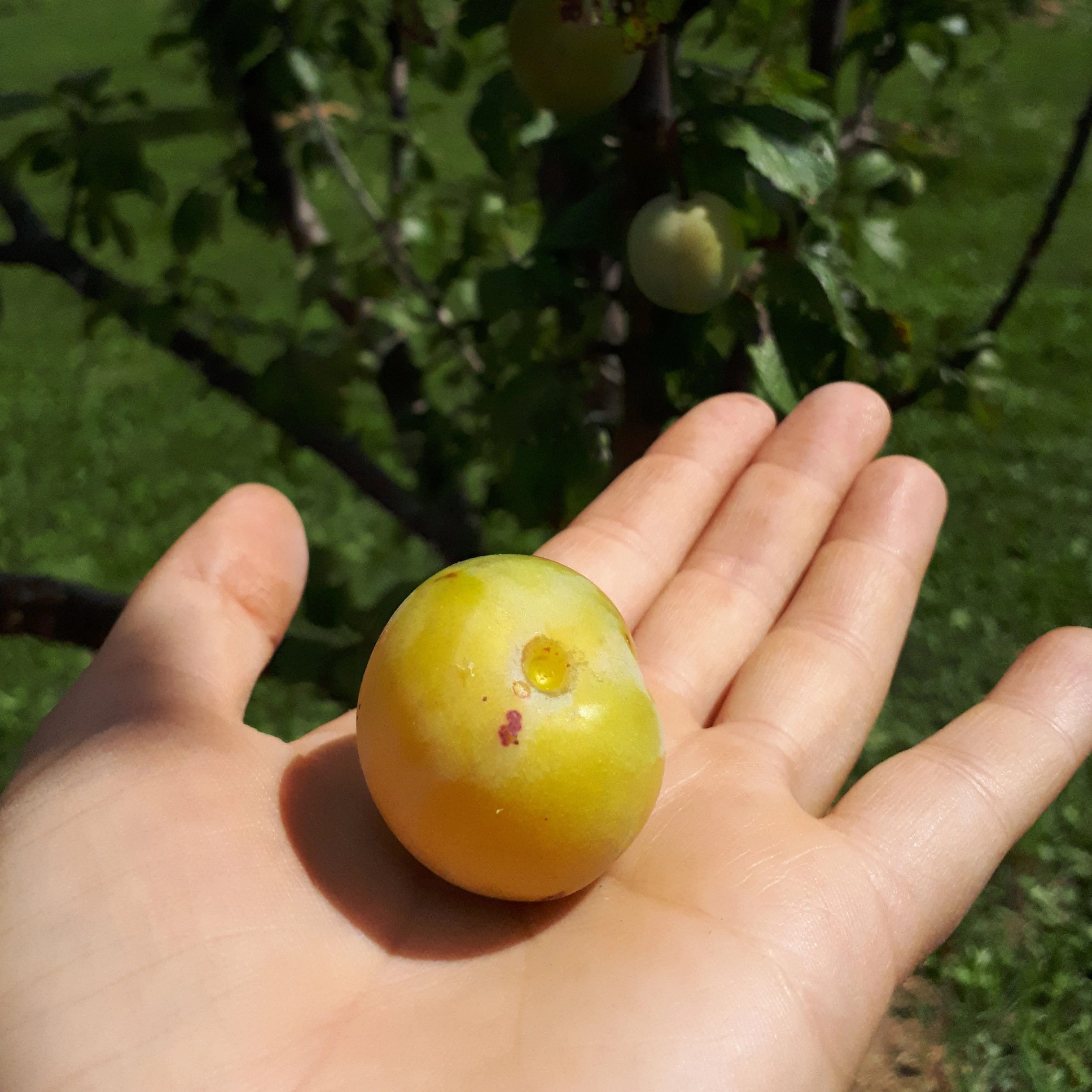
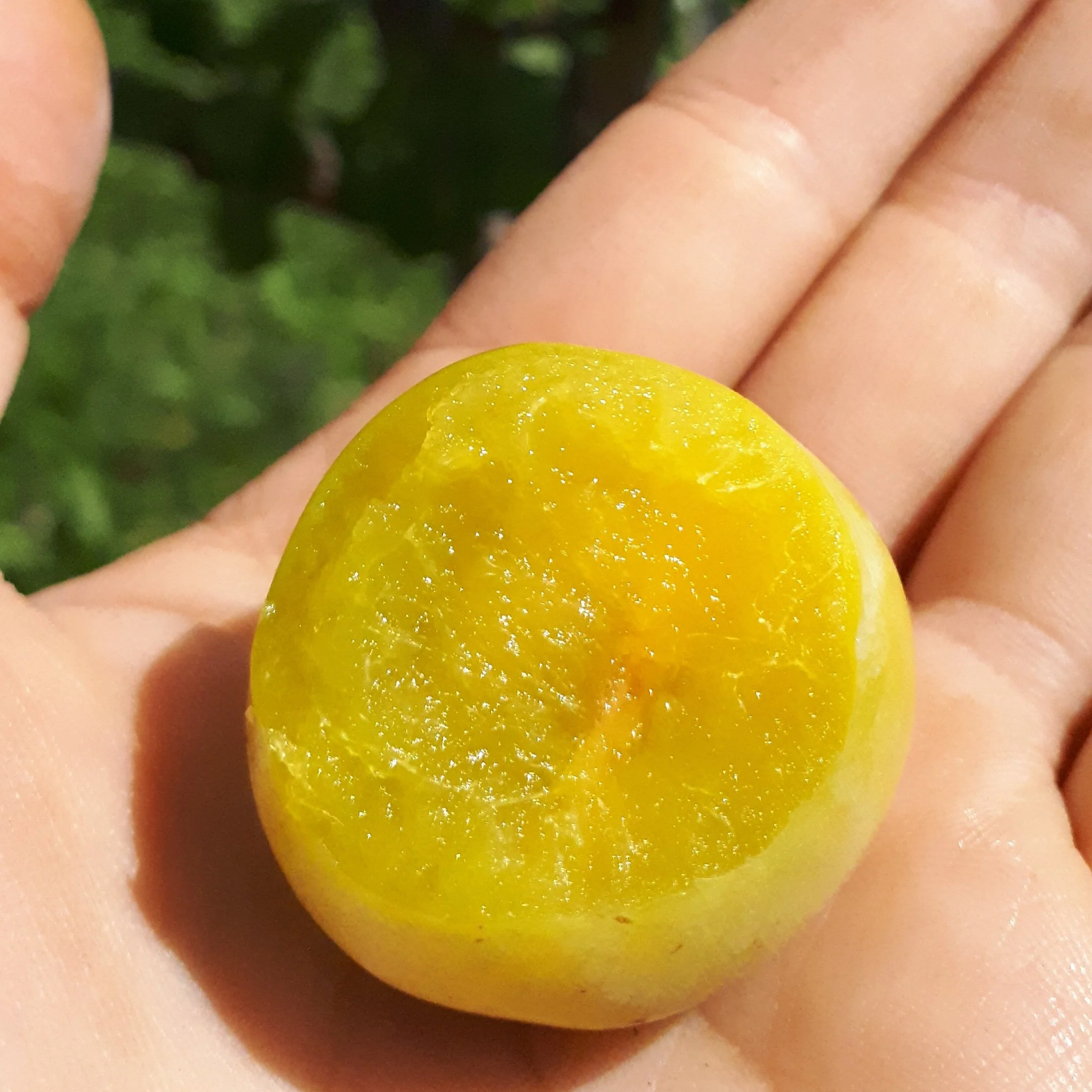
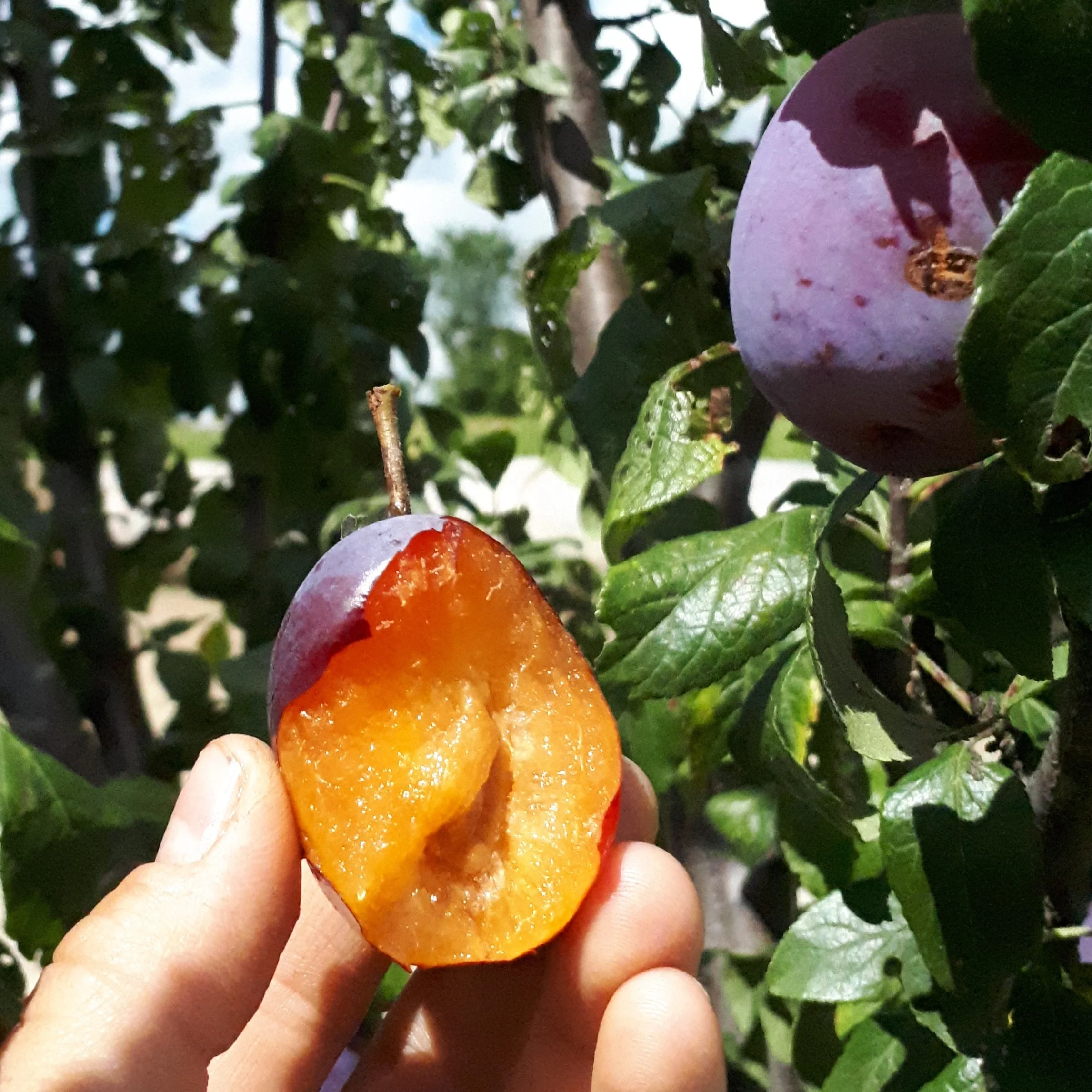
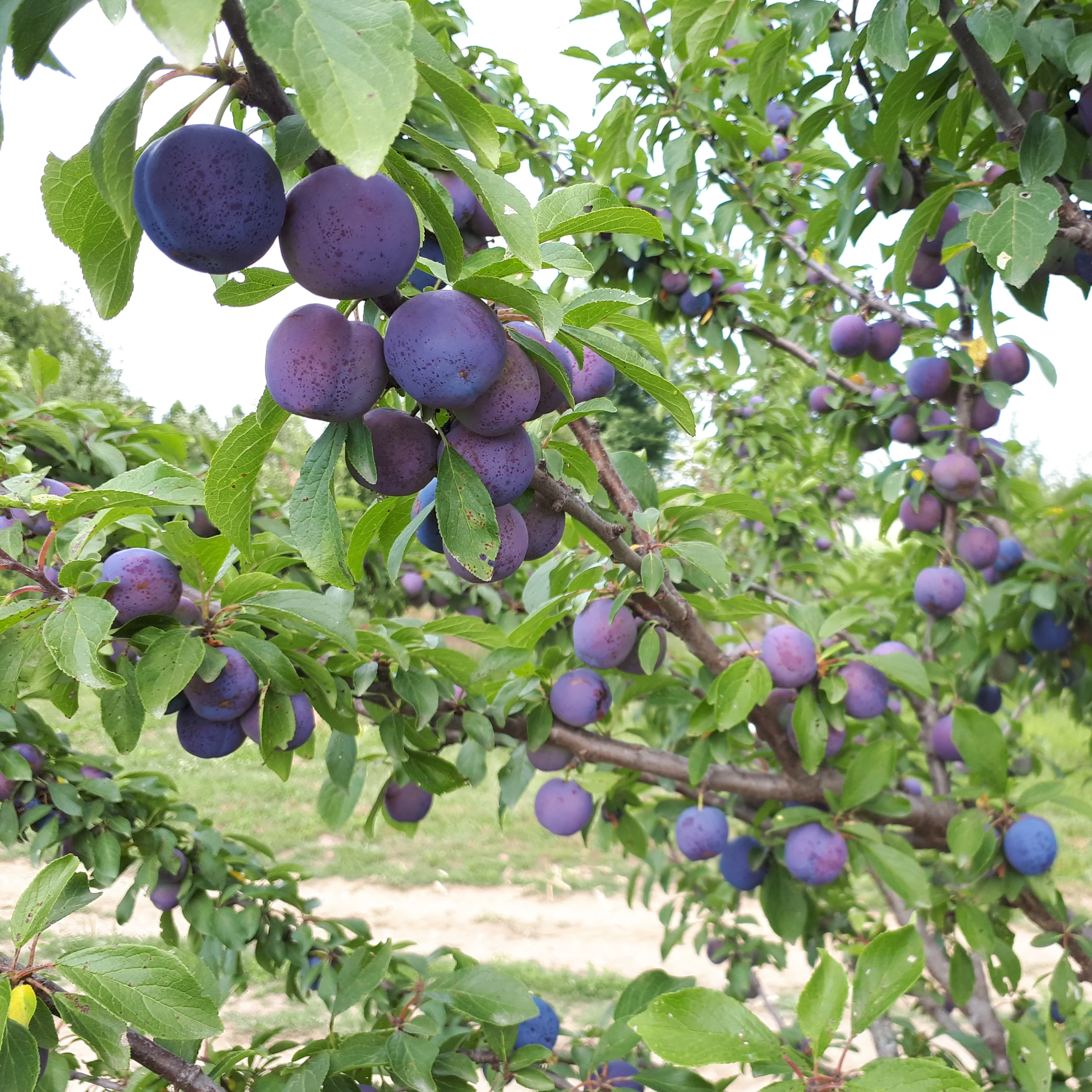
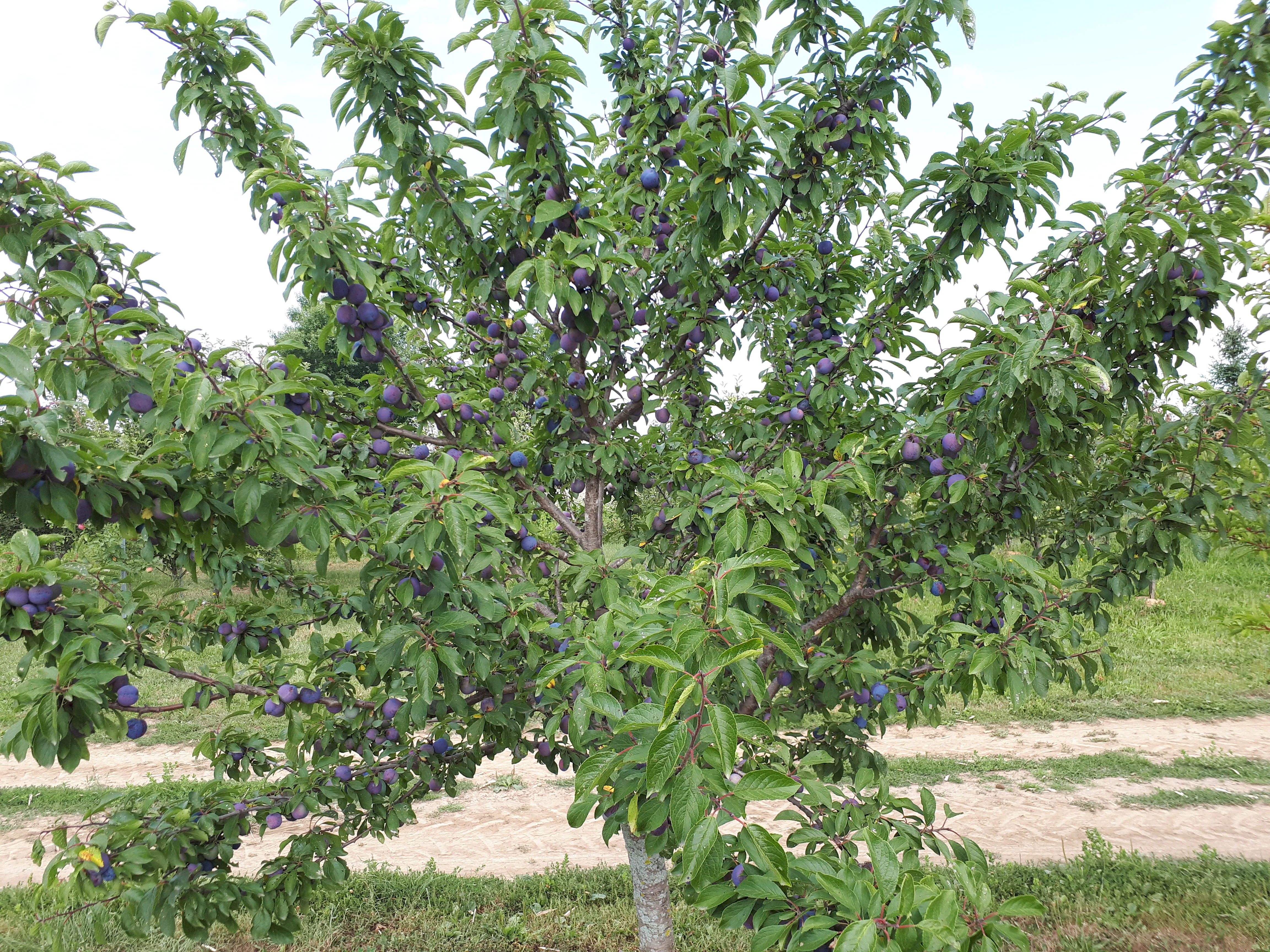
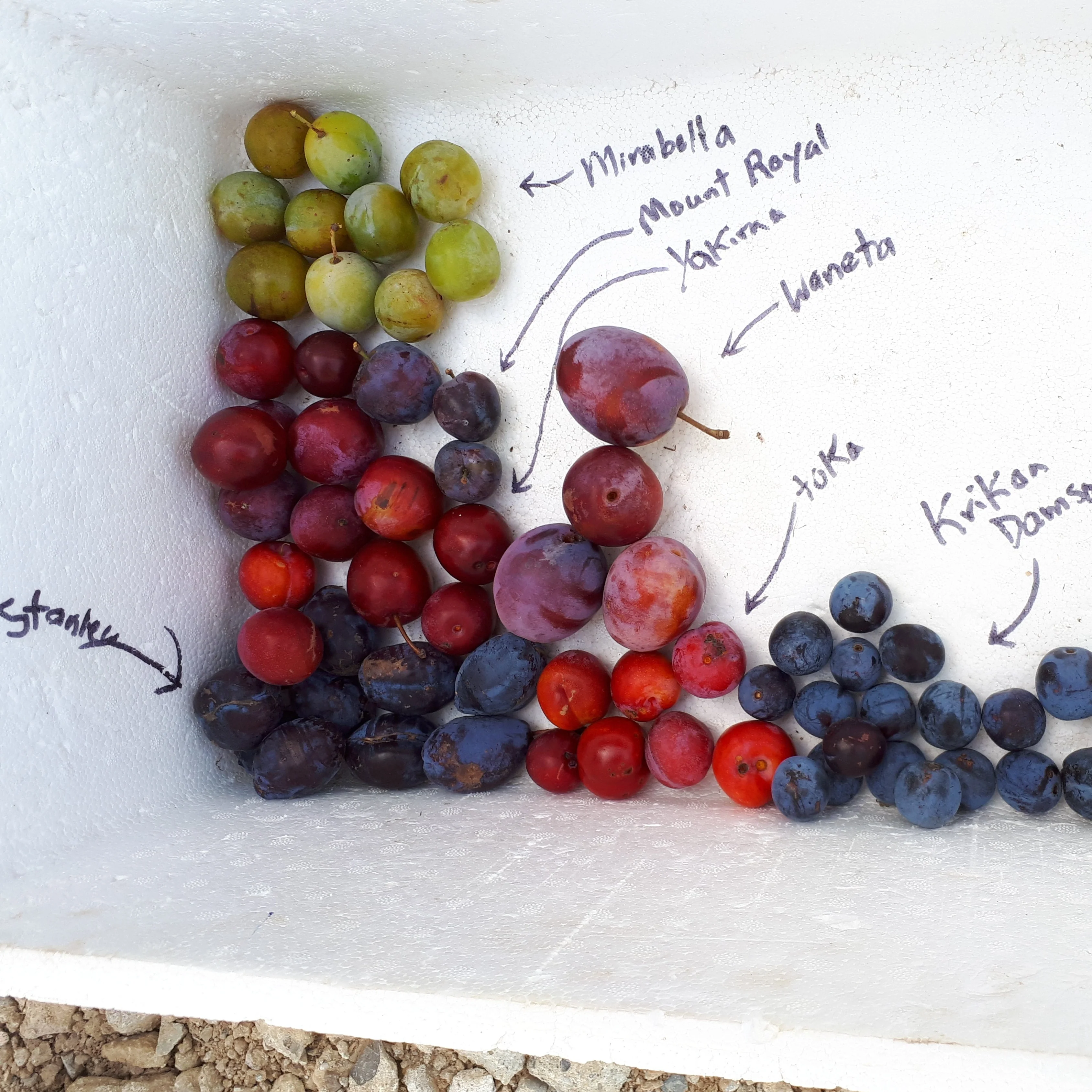
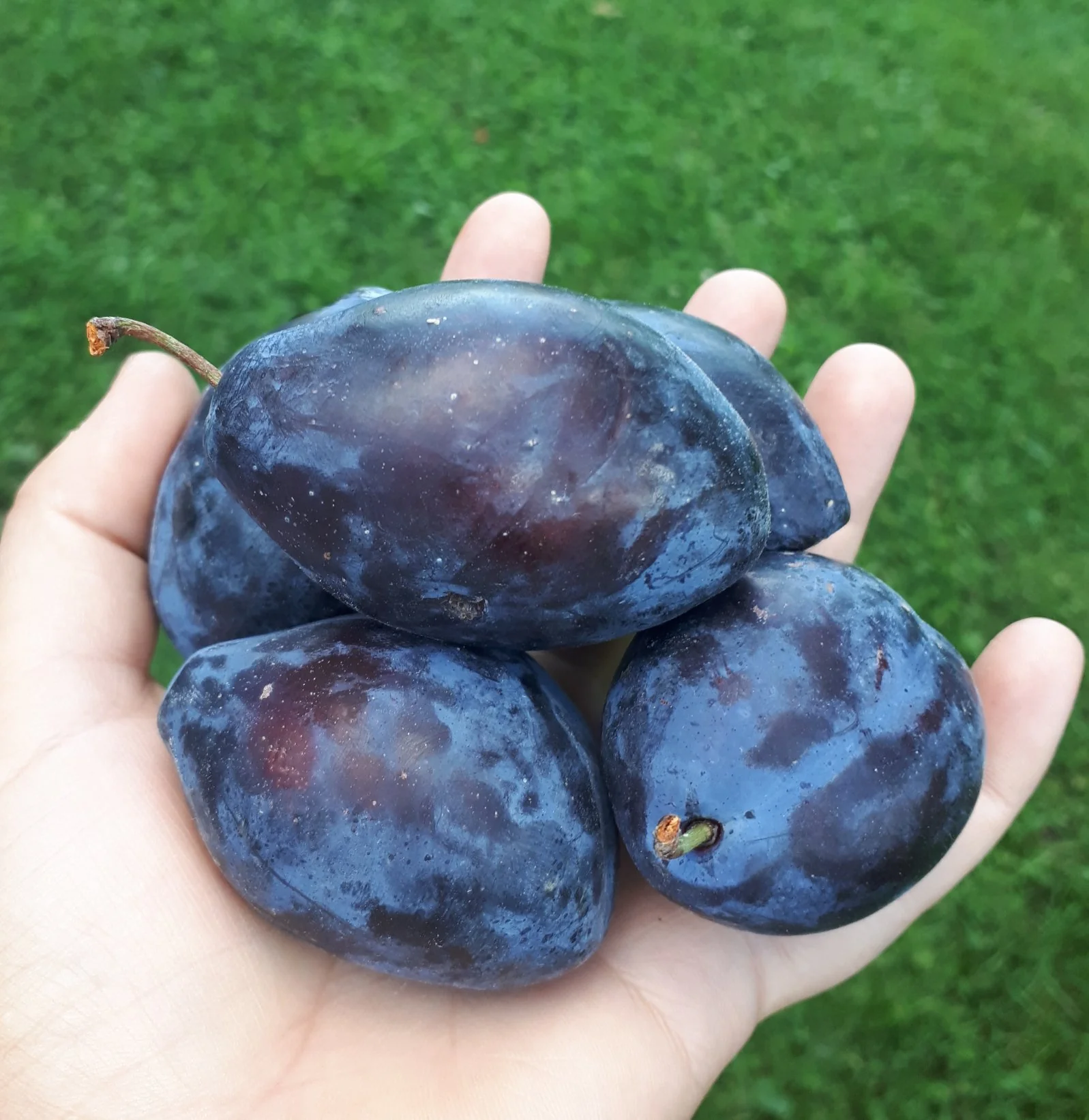
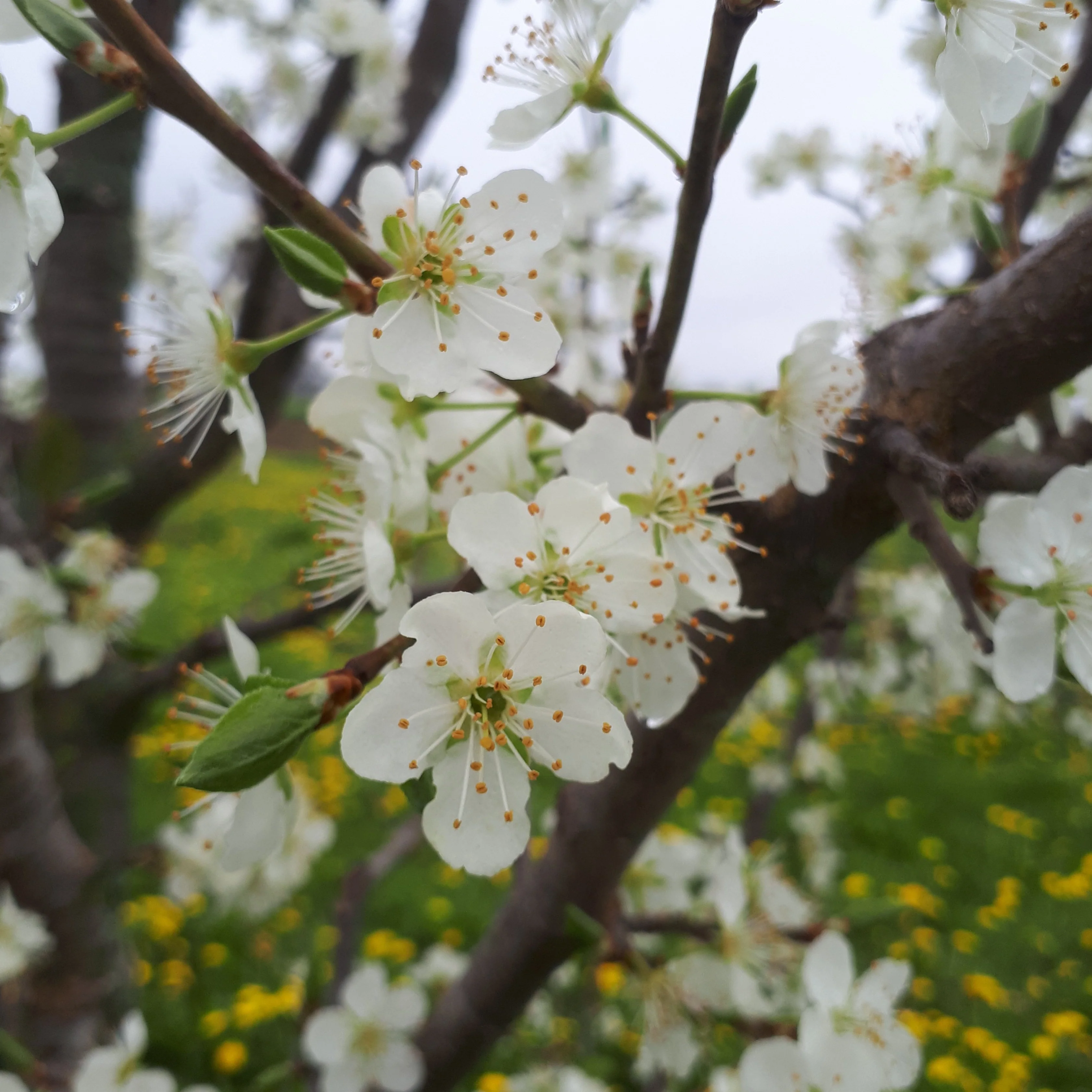
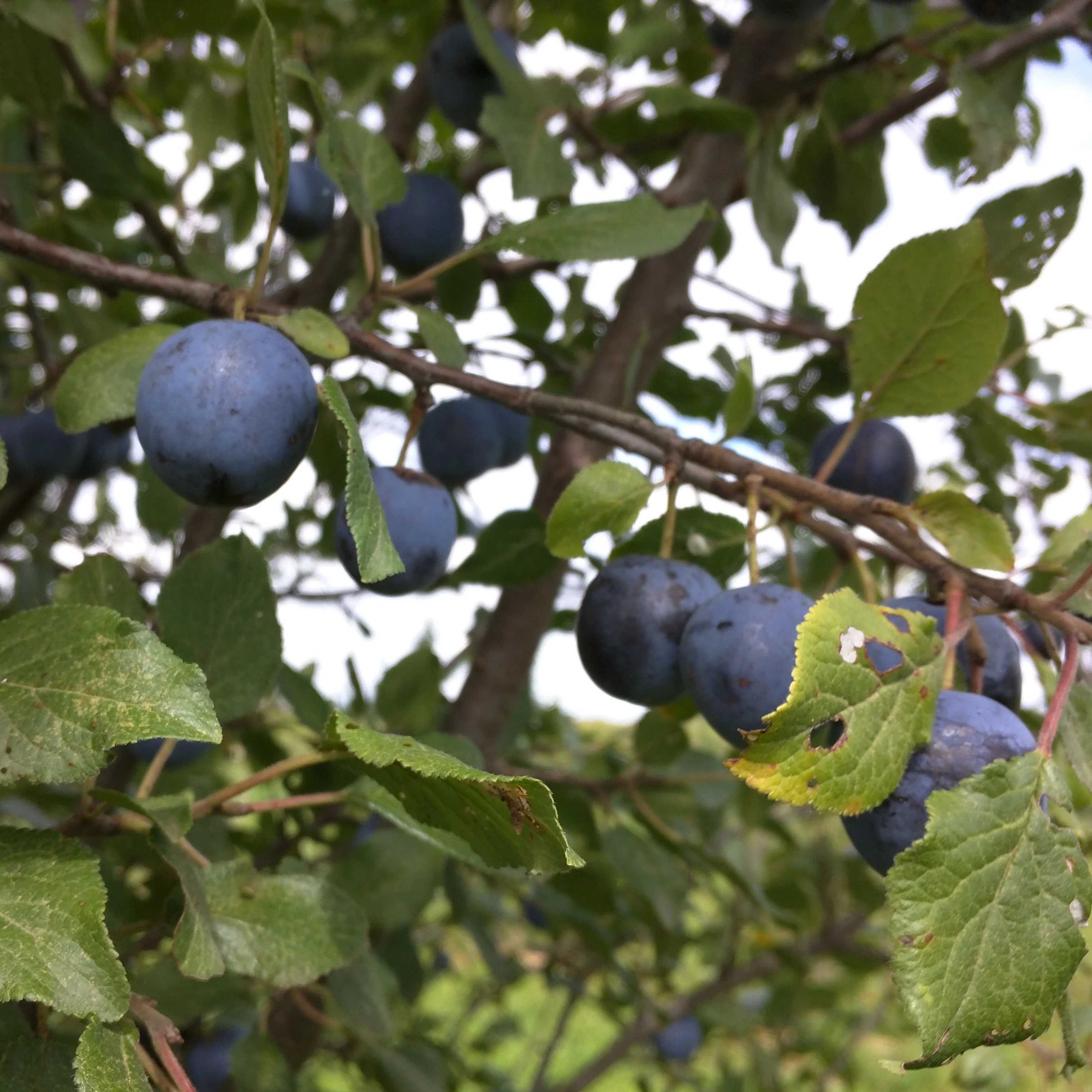
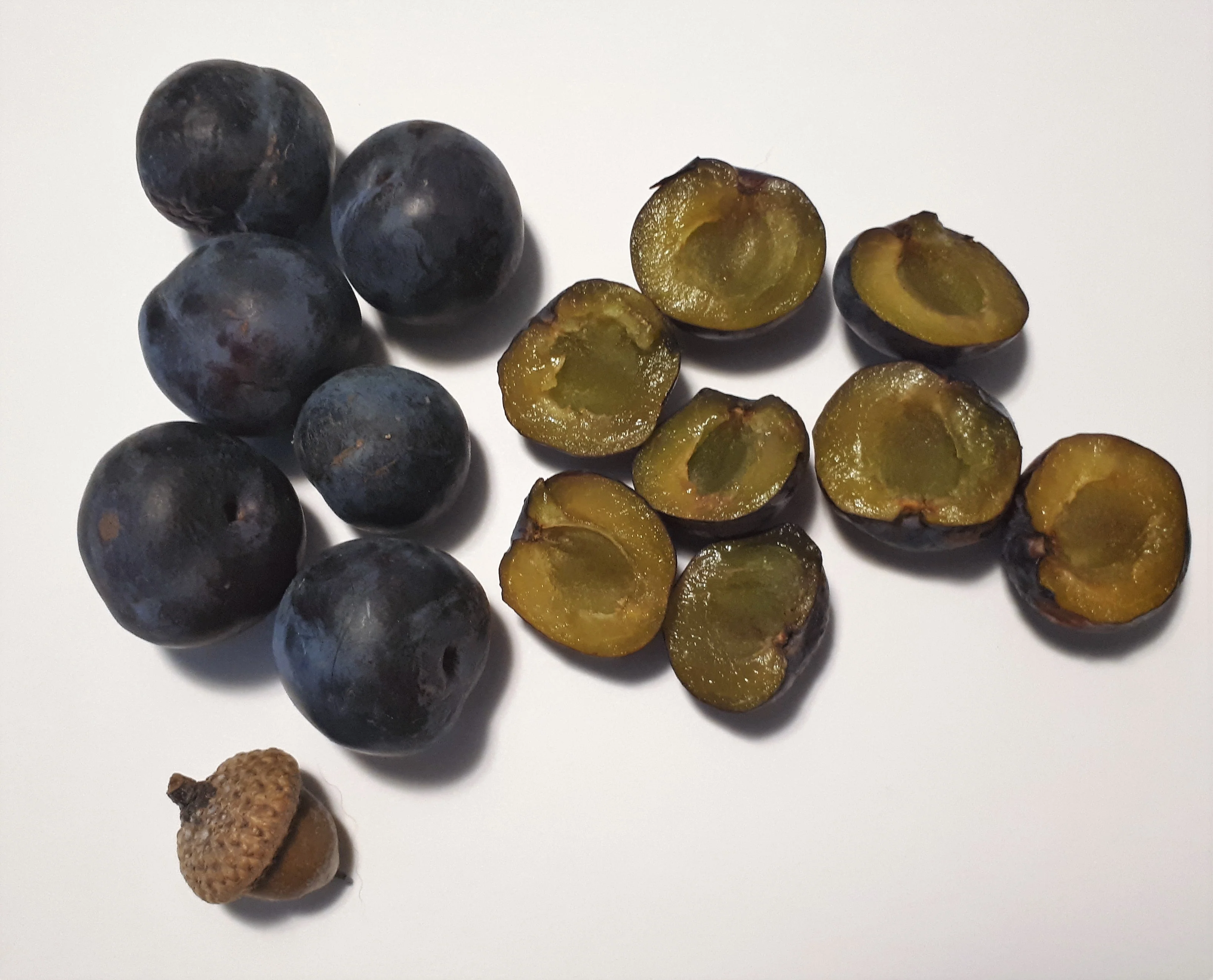
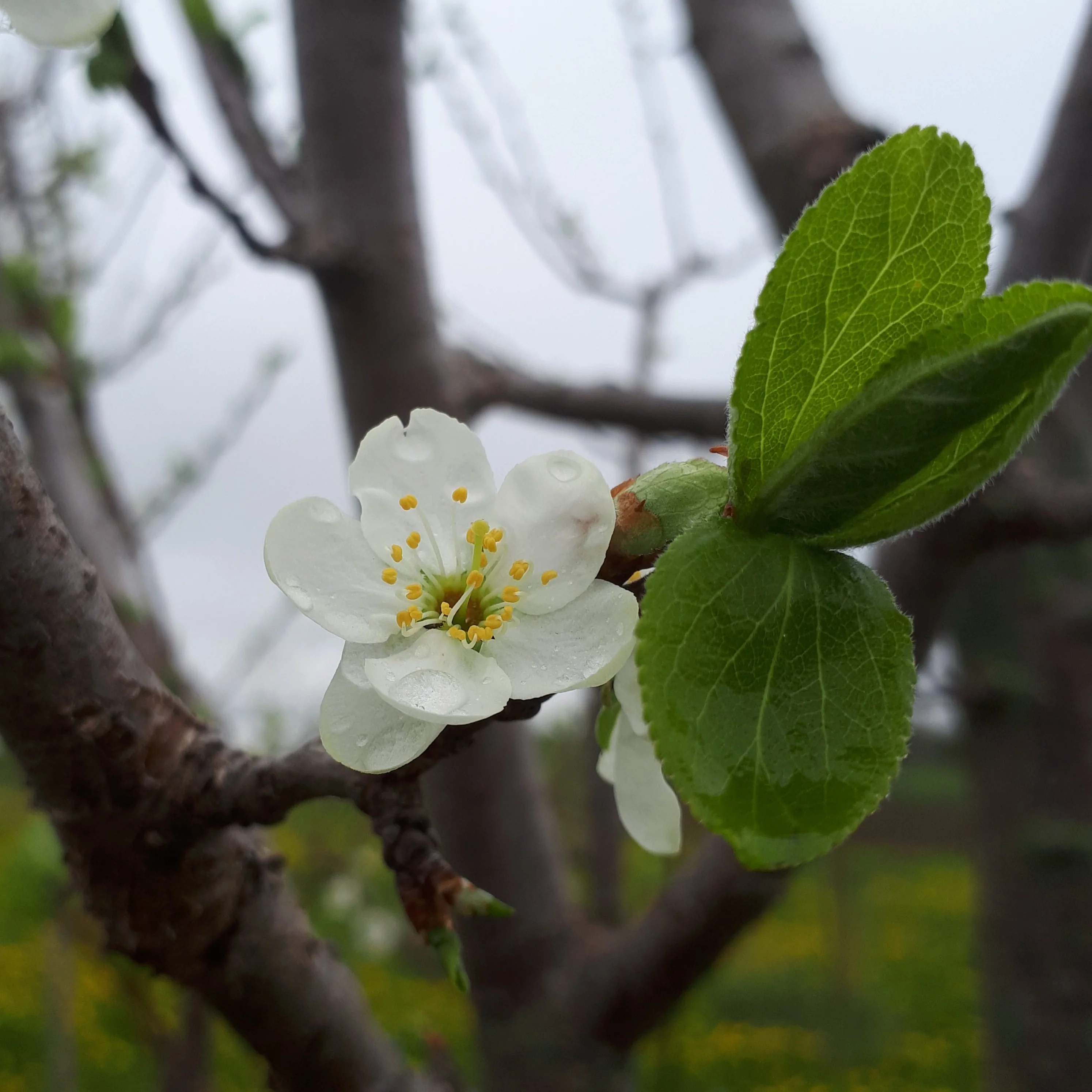
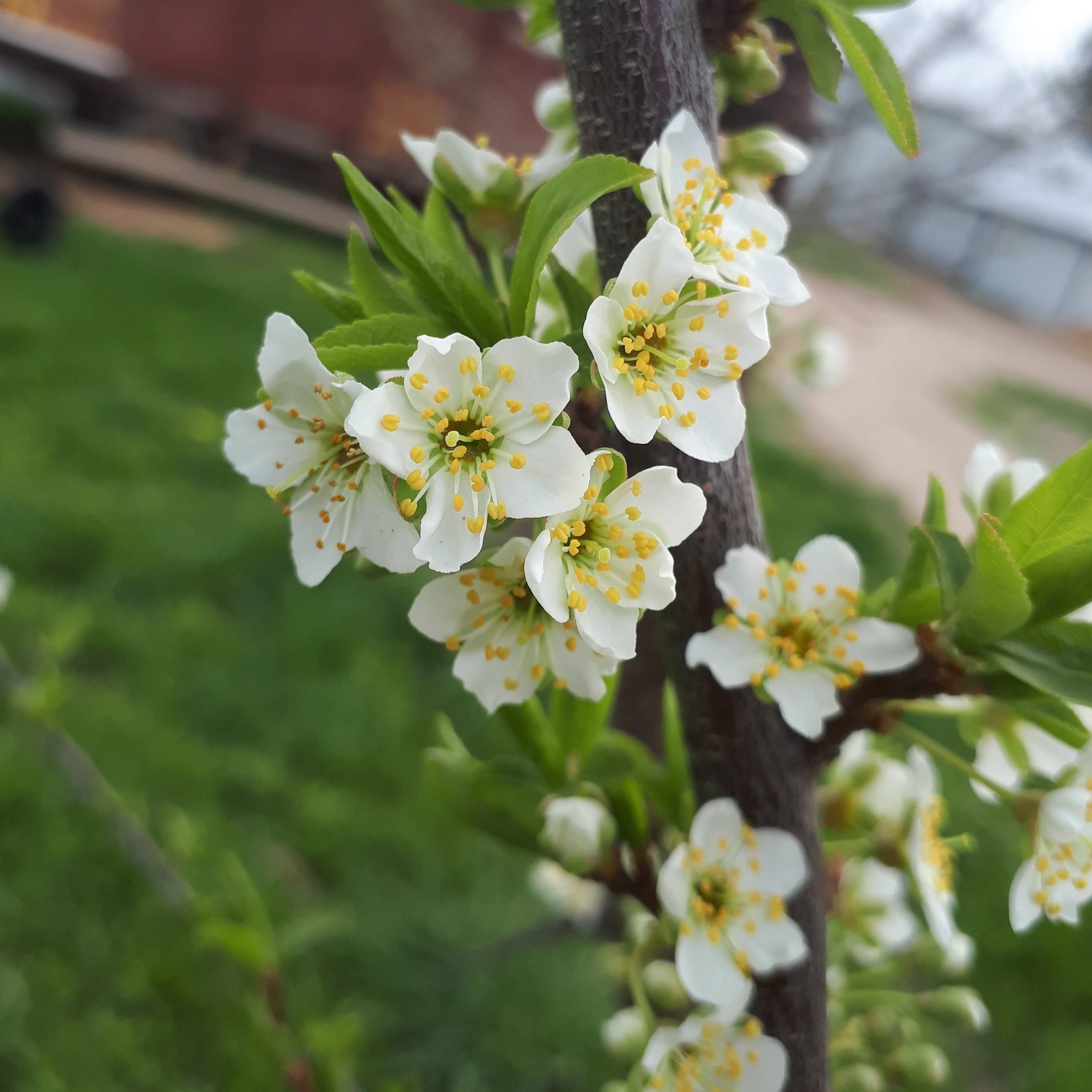
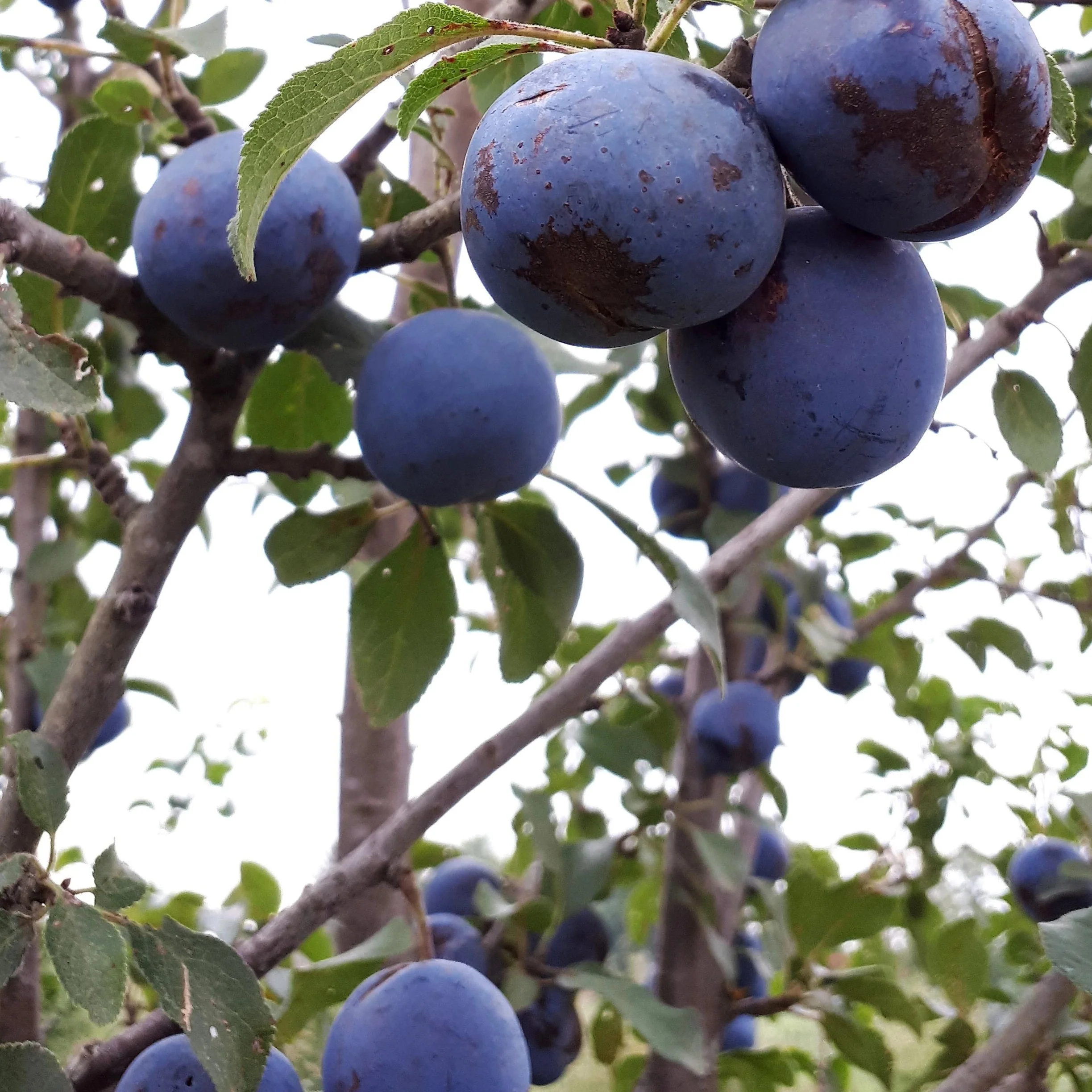
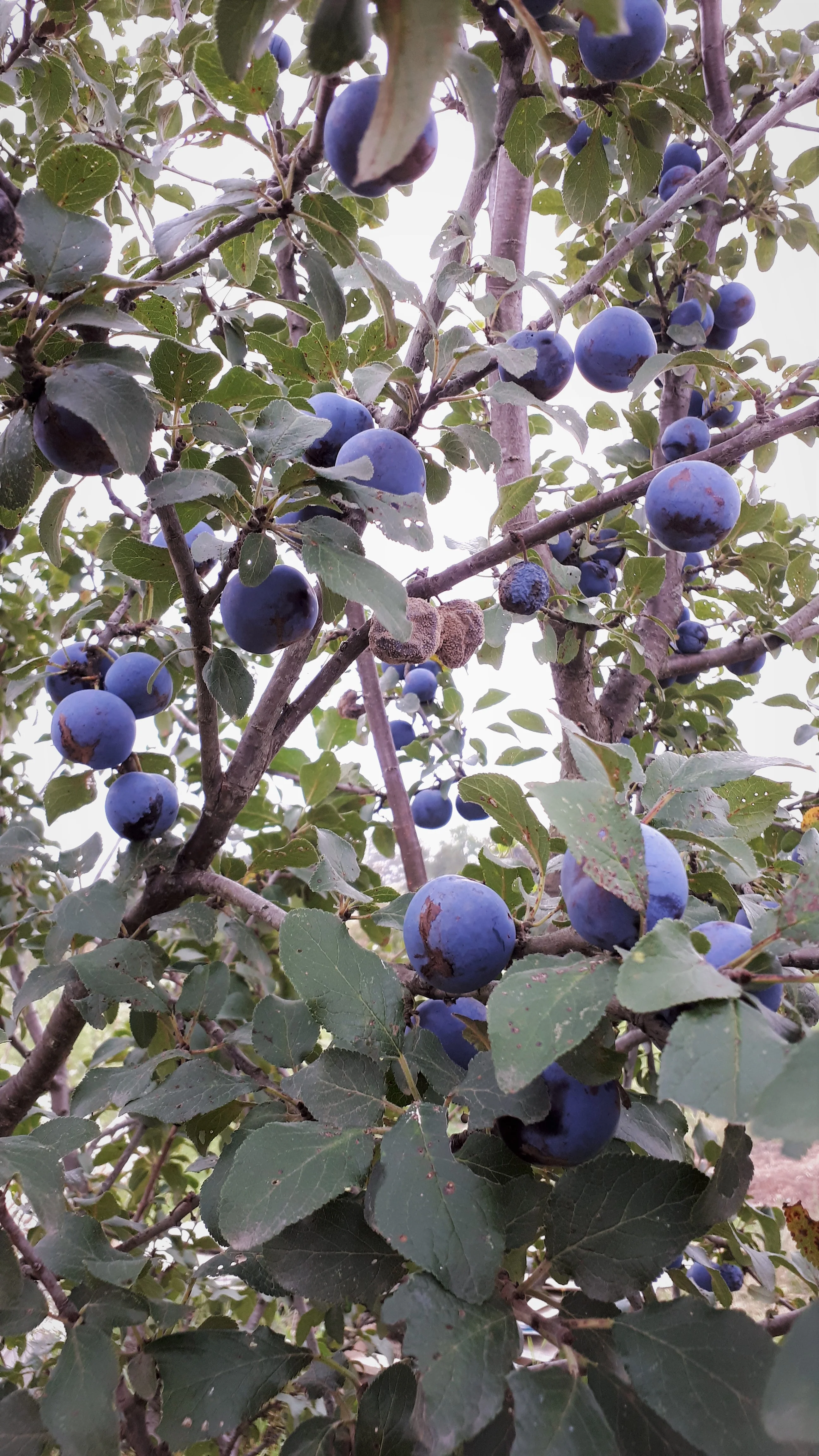
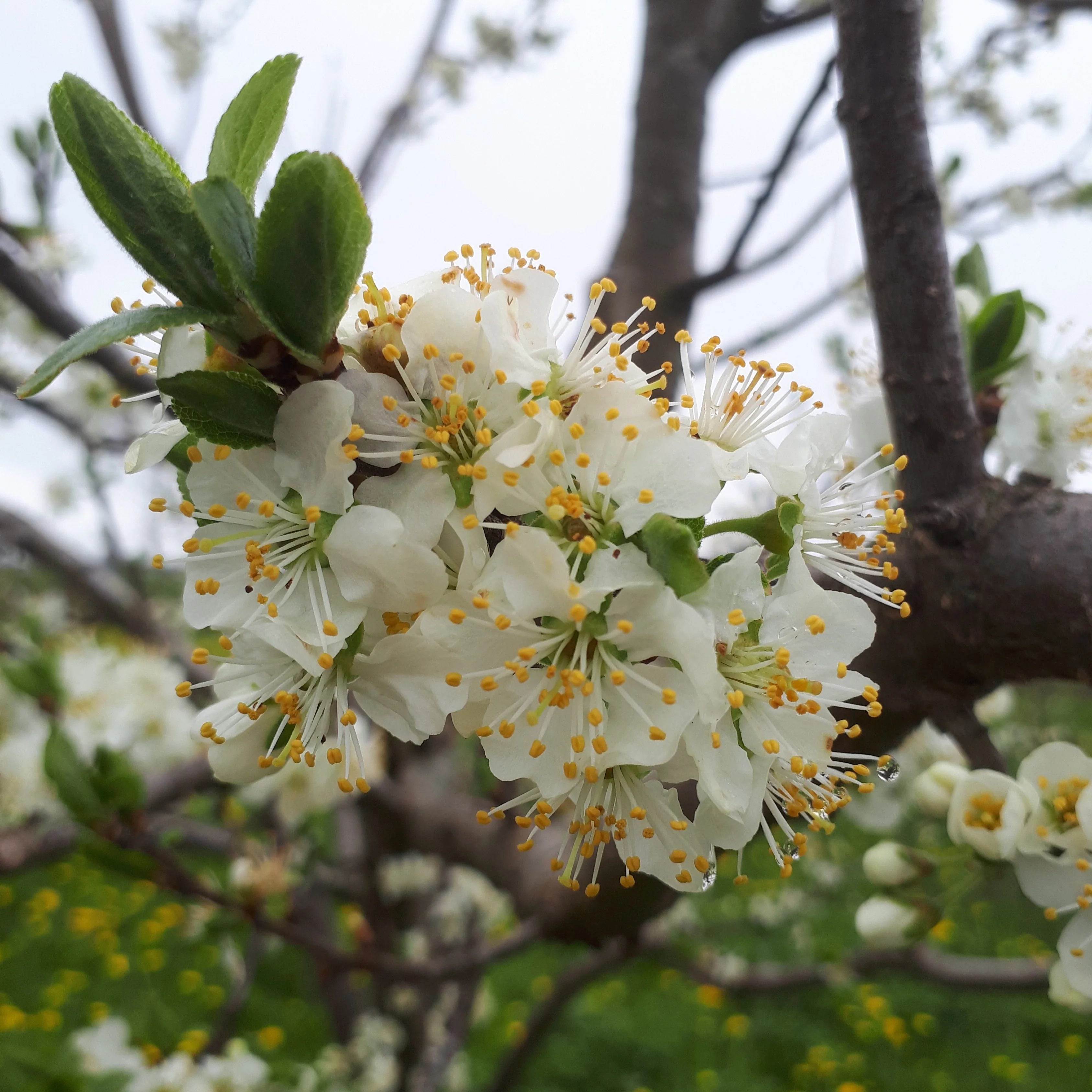
Why We Grow It: Damson produces small round clingstone fruit with a deep blue/purple skin and spicy yellow flesh. They are sweet enough to eat but also have some astringency which makes them less palatable than other varieties. However, they are superb for cooking, preserving, and making jam. The tree blooms late which allows it to avoid early frosts and this variety is self-fertile.
Original: $6.14
-70%$6.14
$1.84Product Information
Product Information
Shipping & Returns
Shipping & Returns
Description
History: This European plum has contentious origins, making it difficult to determine if it is very old or extremely old. The name 'damson' stems from the Latin 'damascenum' meaning 'plum of Damascus.' As the name implies, some believe this plum may have come from the ancient city of Damascus and was brought to England by the Romans, making this plum thousands of years old. While this theory has been highly contested, there is ample evidence to prove that Damson plums have been grown in England for hundreds of years. It was introduced to the US in 1800 and was a a favourite due to its adaptability to its new home.
Why We Grow It: Damson produces small round clingstone fruit with a deep blue/purple skin and spicy yellow flesh. They are sweet enough to eat but also have some astringency which makes them less palatable than other varieties. However, they are superb for cooking, preserving, and making jam. The tree blooms late which allows it to avoid early frosts and this variety is self-fertile.