Discovery Apple Bareroot
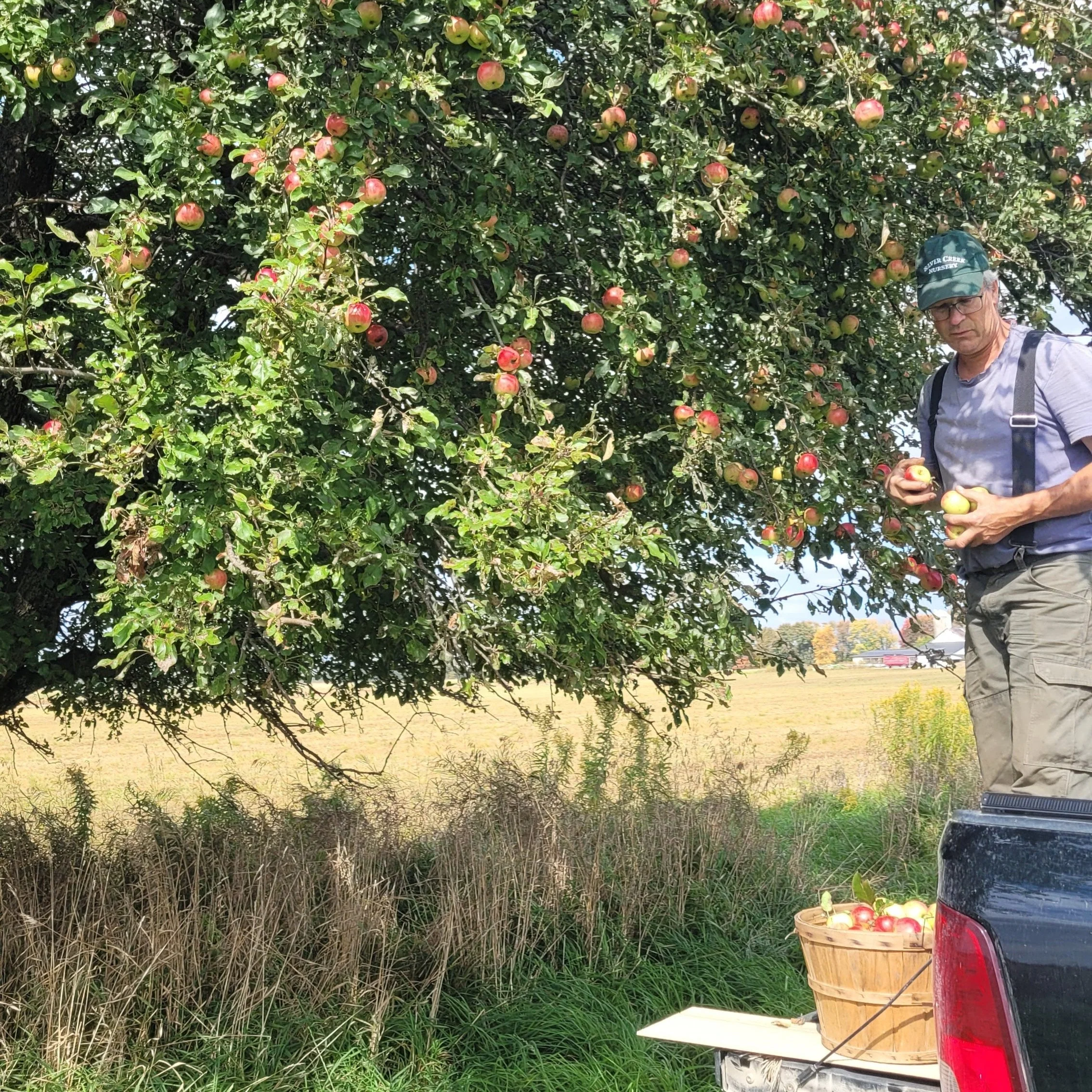
History: Discovery is a seedling of Worcester Pearmain and possibly Beauty of Bath that was planted and grown by George Dummer, a worker on a fruit farm, around 1949. This English apple nearly failed to make it since the family accidentally left it out in nothing but sacking where it was exposed to frost for several months. Fortunately, the tree survived and eventually caught the eye of Jack Matthews, a nursery owner from Thurston. He propagated the tree and originally named it Thurston August for its early ripening time, before changing the name to Discovery in 1962. It has had some commercial success in the UK and British Columbia, and remains one of the more popular early apple varieties in England.
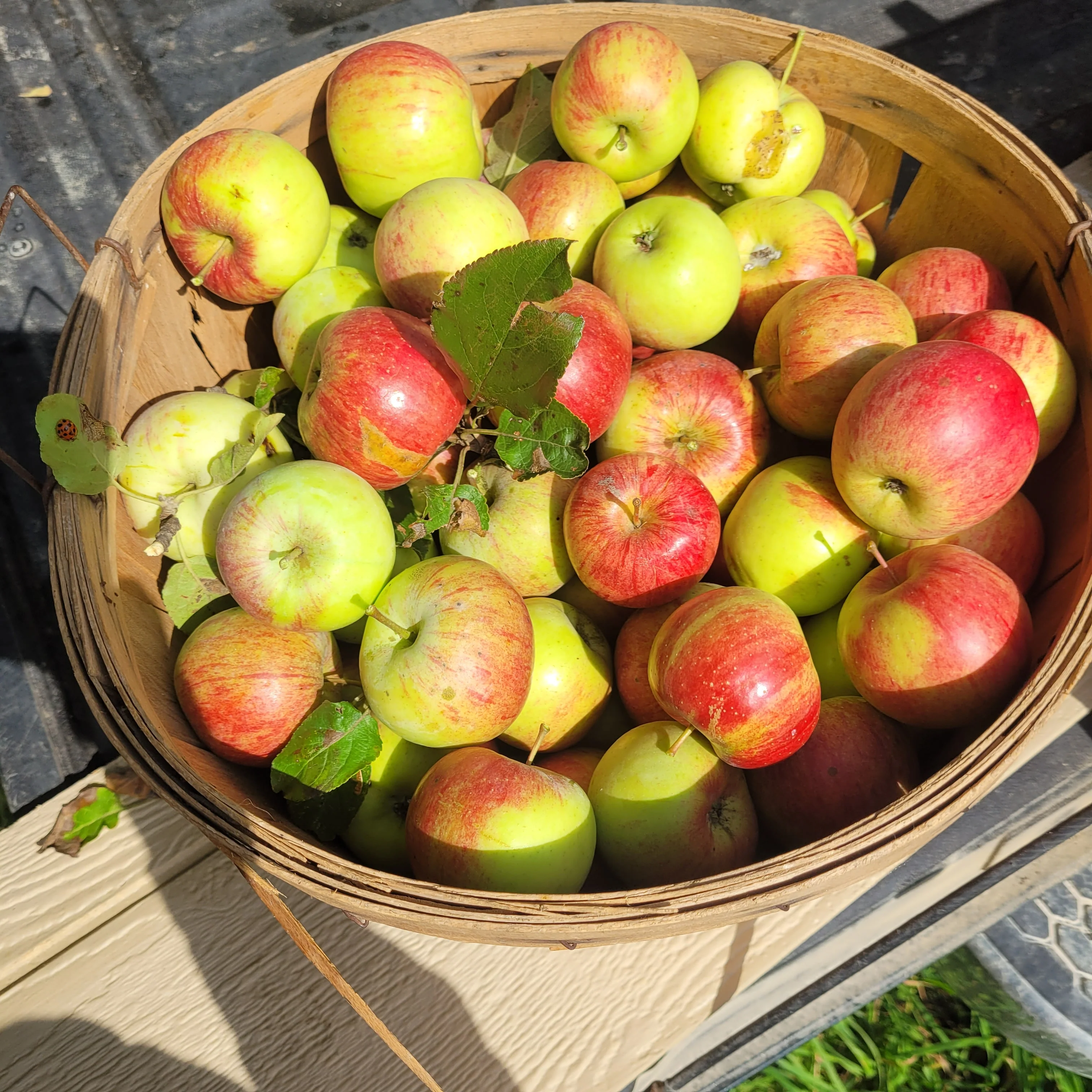
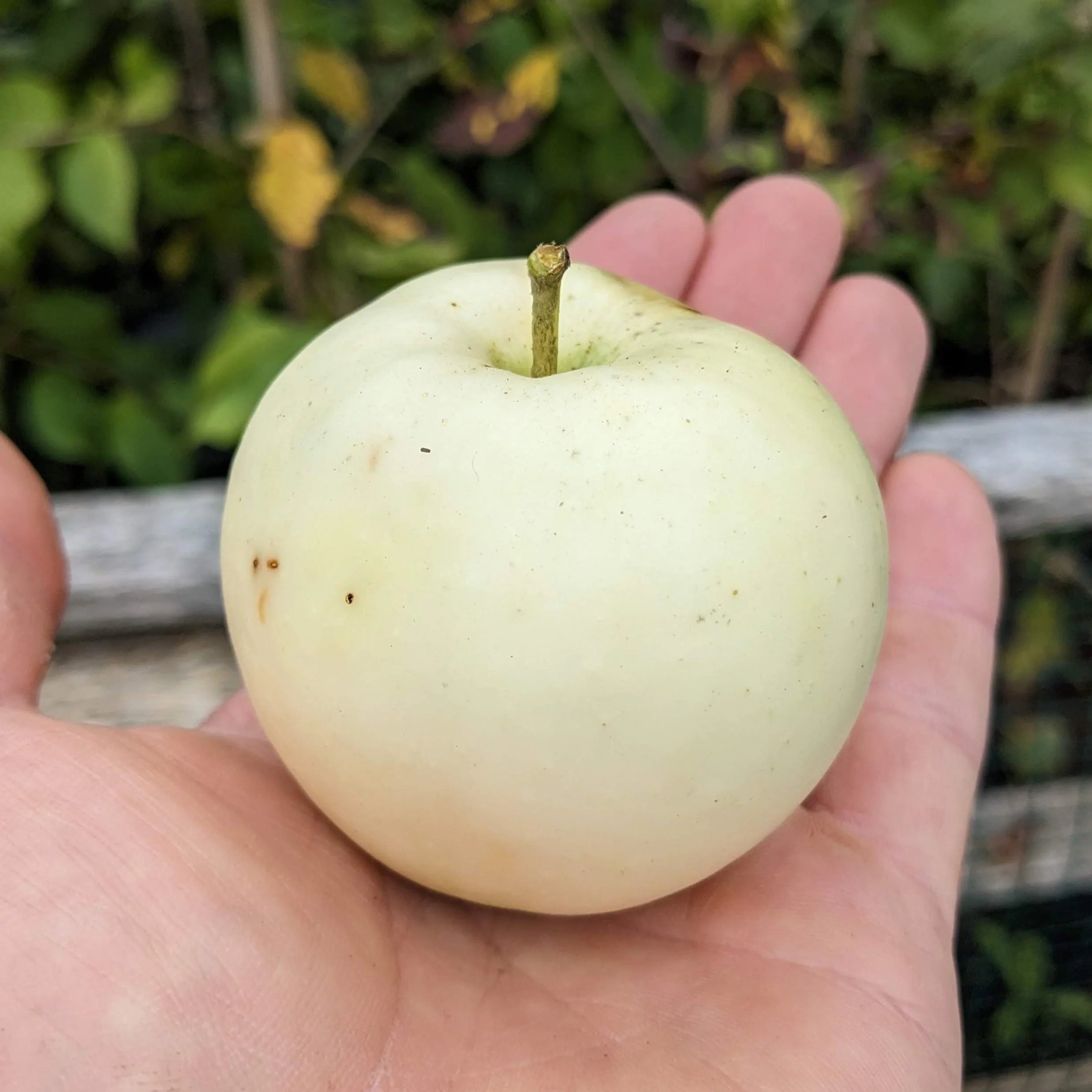
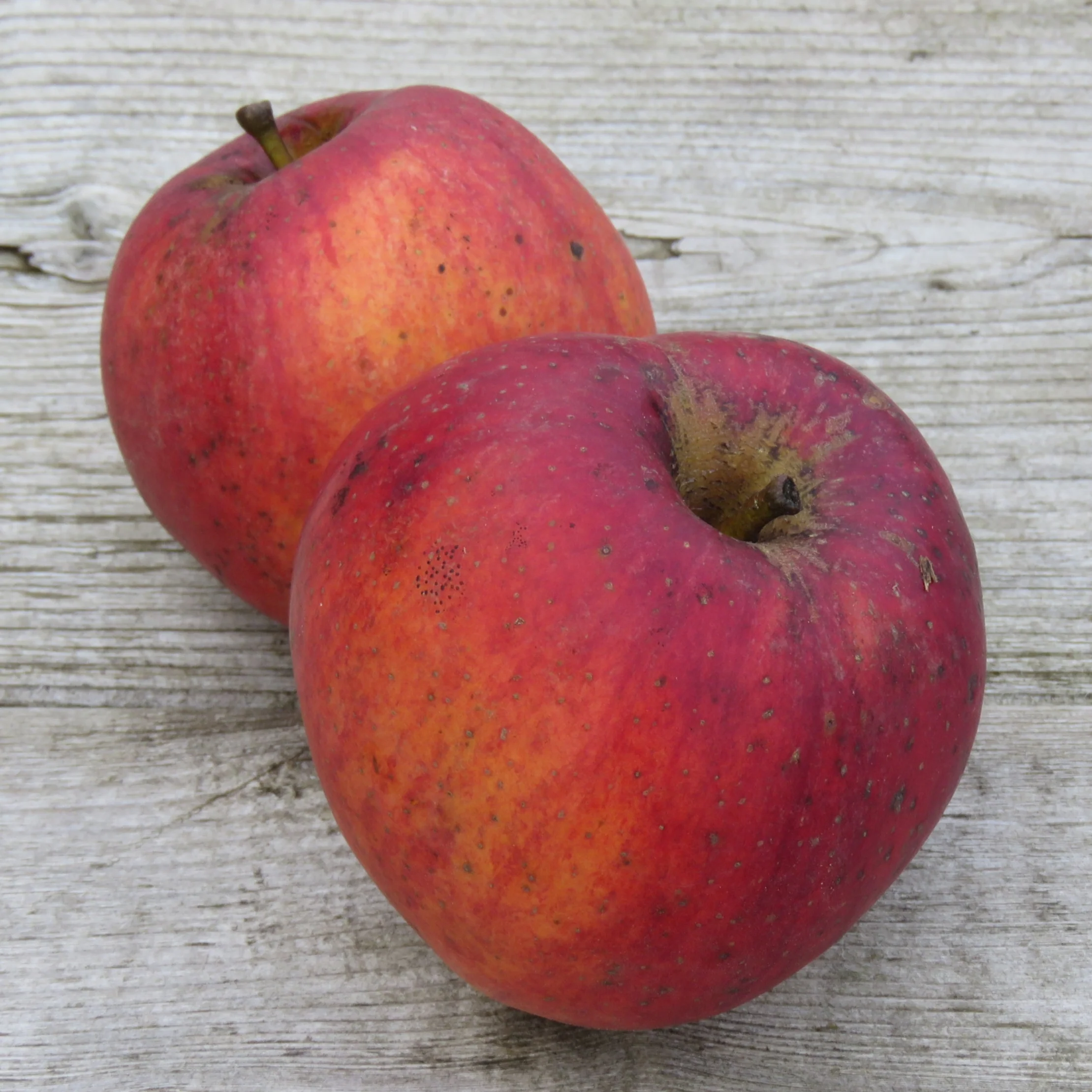
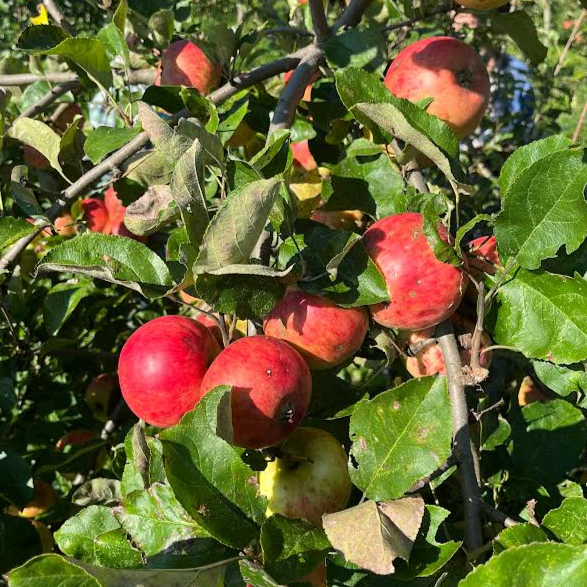
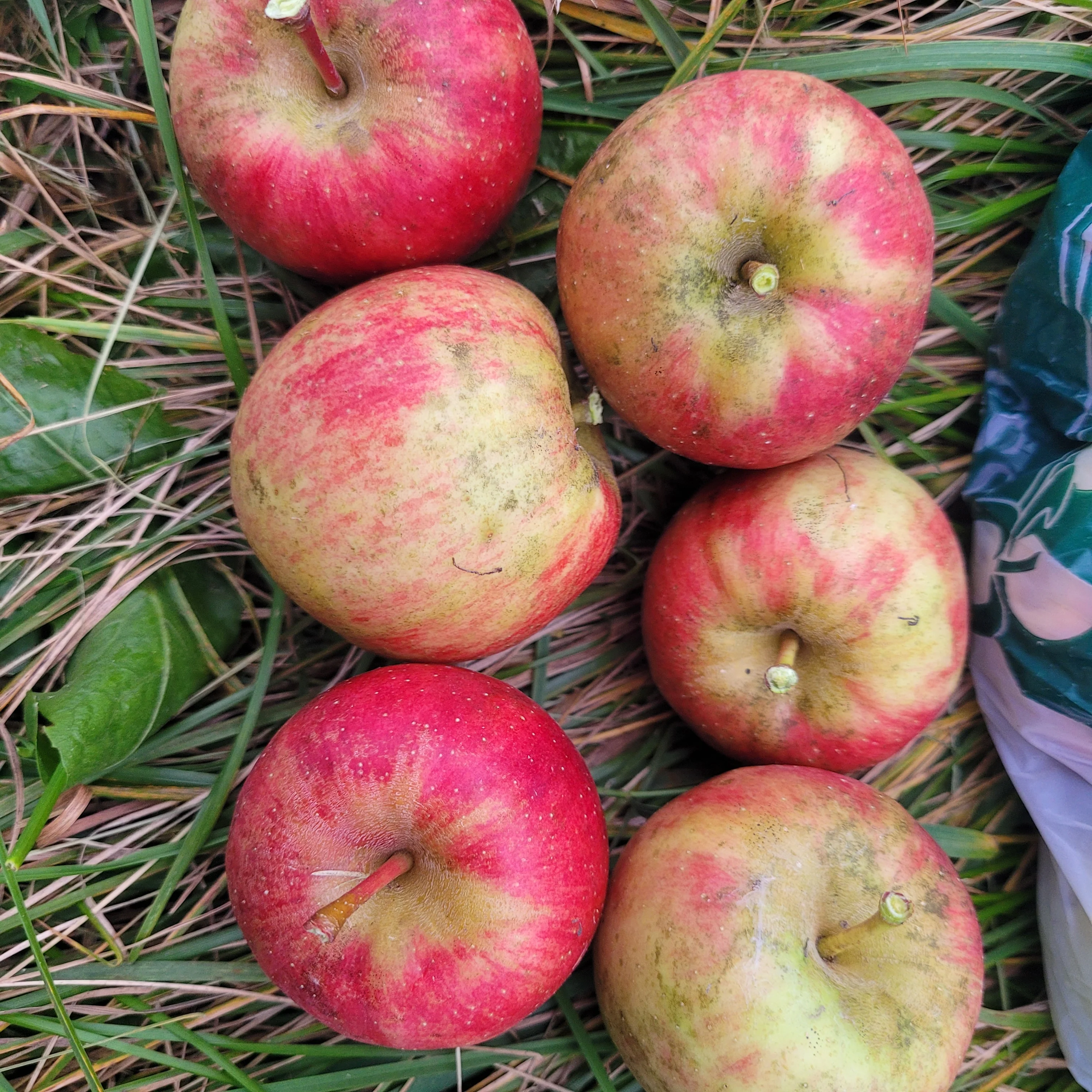
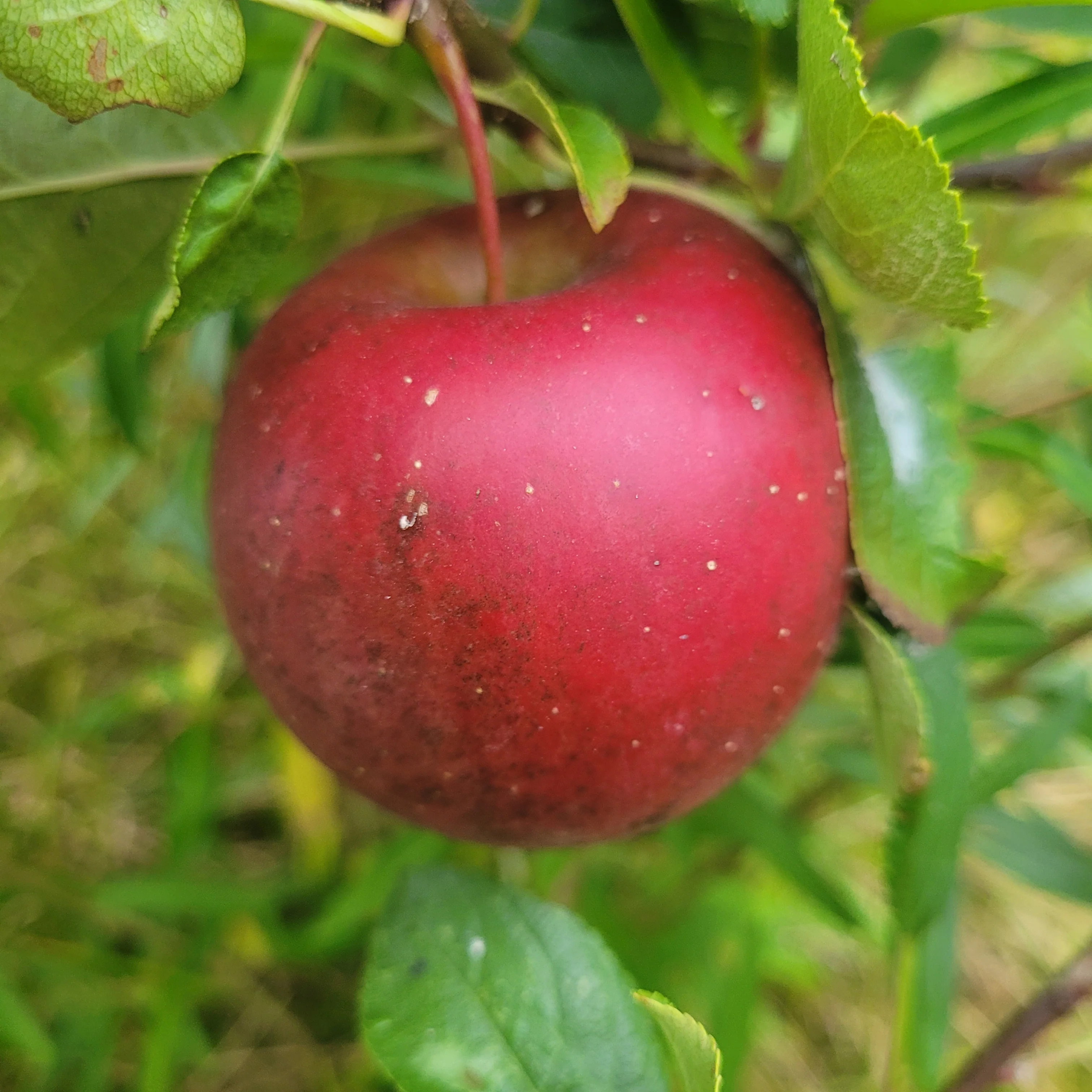
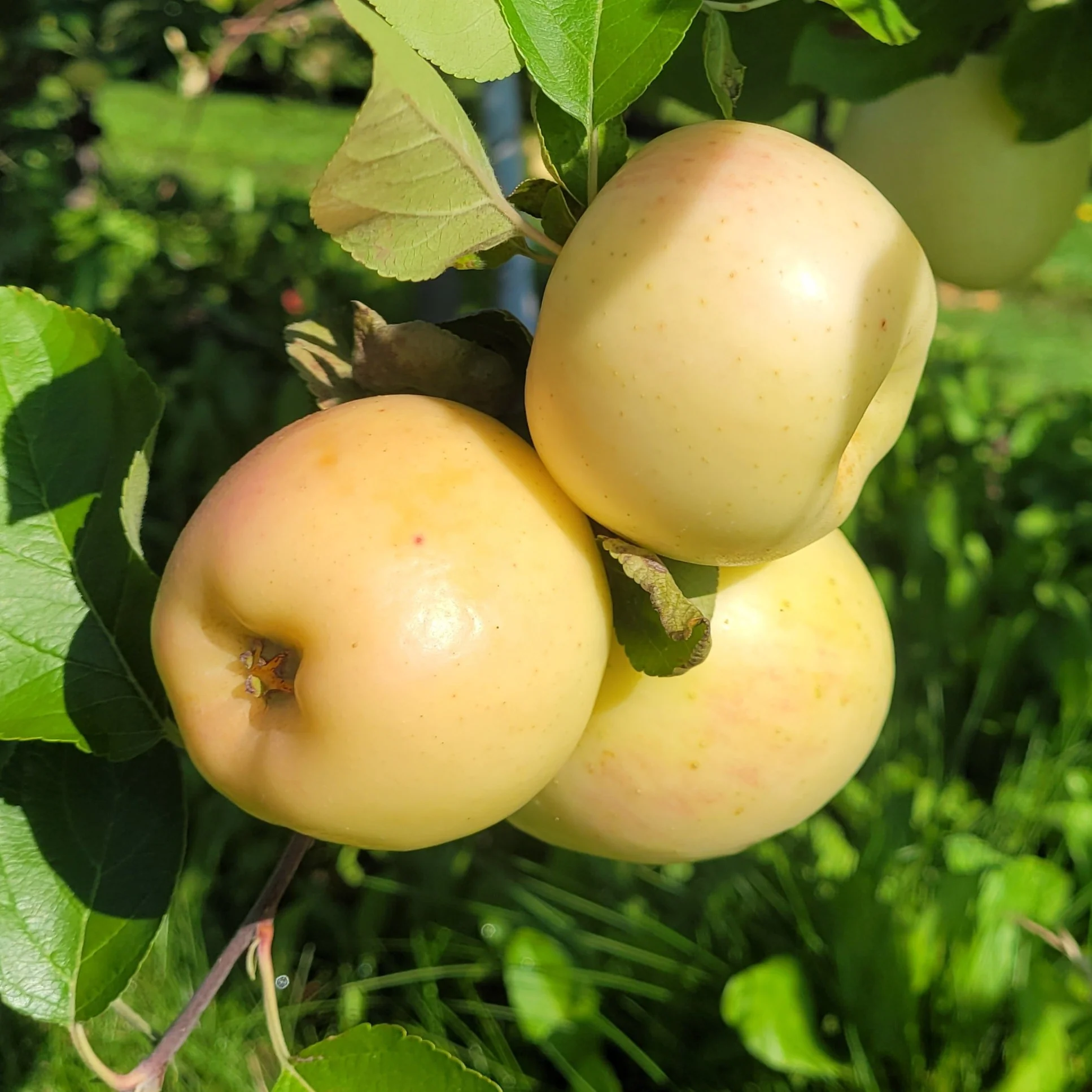
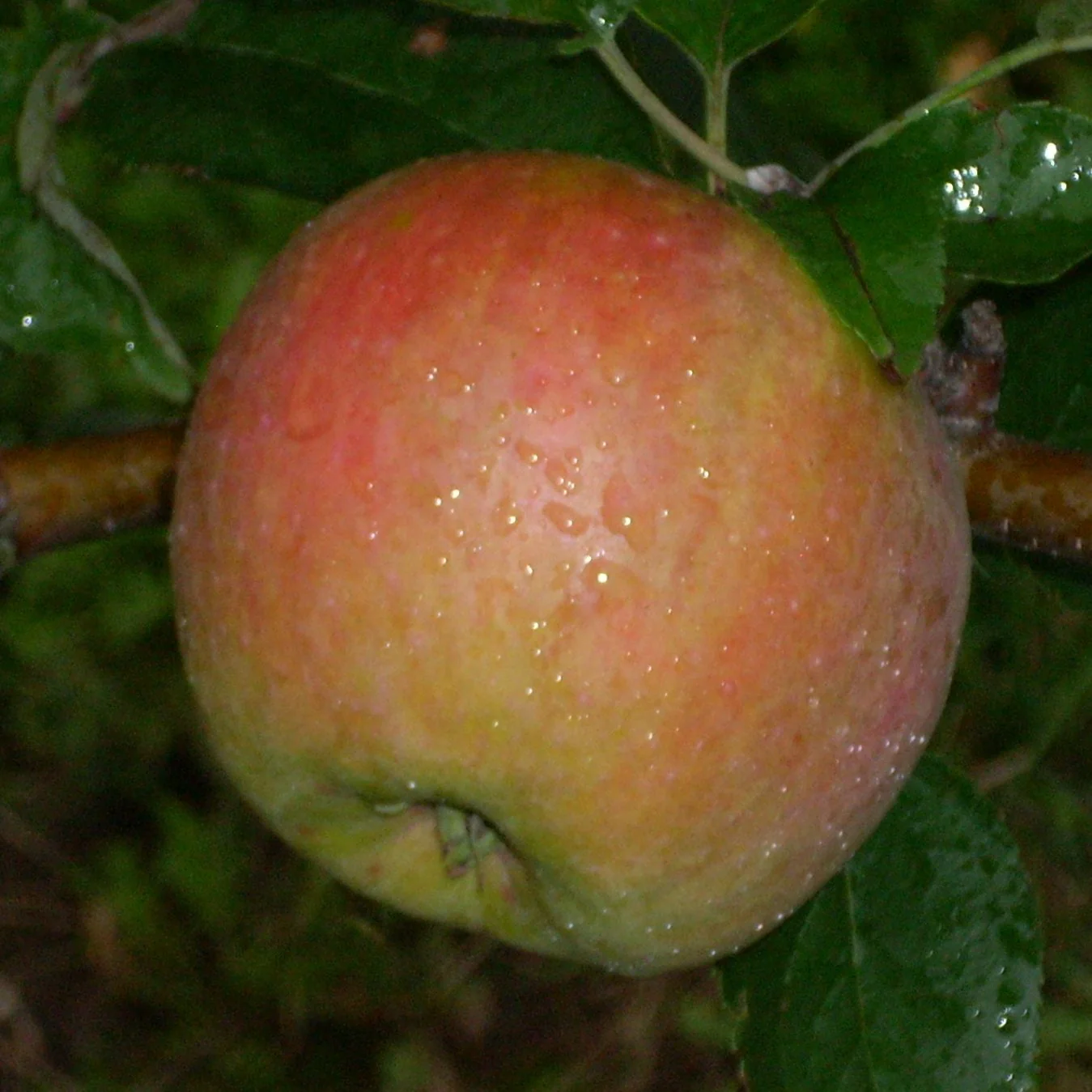
Why We Grow It: Discovery is a slightly sweet apple with noticeable acidity, and under optimal conditions it can have a strawberry flavour. Like many early apples, it is great for sauce. The fruit is on the smaller side and has a flatter shape with greenish-yellow skin overlaid with a bright red blush. The red can sometimes stain the cream-coloured flesh inside, providing some visual appeal. The tree boasts some resistance to scab and although it can take a while to start bearing fruit, once it does it bears quite reliably.
Why We Grow It: Discovery is a slightly sweet apple with noticeable acidity, and under optimal conditions it can have a strawberry flavour. Like many early apples, it is great for sauce. The fruit is on the smaller side and has a flatter shape with greenish-yellow skin overlaid with a bright red blush. The red can sometimes stain the cream-coloured flesh inside, providing some visual appeal. The tree boasts some resistance to scab and although it can take a while to start bearing fruit, once it does it bears quite reliably.
Select Rootstock
Select Size
From $26.73
Discovery Apple Bareroot—
$26.73
Product Information
Product Information
Shipping & Returns
Shipping & Returns
Description
History: Discovery is a seedling of Worcester Pearmain and possibly Beauty of Bath that was planted and grown by George Dummer, a worker on a fruit farm, around 1949. This English apple nearly failed to make it since the family accidentally left it out in nothing but sacking where it was exposed to frost for several months. Fortunately, the tree survived and eventually caught the eye of Jack Matthews, a nursery owner from Thurston. He propagated the tree and originally named it Thurston August for its early ripening time, before changing the name to Discovery in 1962. It has had some commercial success in the UK and British Columbia, and remains one of the more popular early apple varieties in England.
Why We Grow It: Discovery is a slightly sweet apple with noticeable acidity, and under optimal conditions it can have a strawberry flavour. Like many early apples, it is great for sauce. The fruit is on the smaller side and has a flatter shape with greenish-yellow skin overlaid with a bright red blush. The red can sometimes stain the cream-coloured flesh inside, providing some visual appeal. The tree boasts some resistance to scab and although it can take a while to start bearing fruit, once it does it bears quite reliably.
Why We Grow It: Discovery is a slightly sweet apple with noticeable acidity, and under optimal conditions it can have a strawberry flavour. Like many early apples, it is great for sauce. The fruit is on the smaller side and has a flatter shape with greenish-yellow skin overlaid with a bright red blush. The red can sometimes stain the cream-coloured flesh inside, providing some visual appeal. The tree boasts some resistance to scab and although it can take a while to start bearing fruit, once it does it bears quite reliably.