Heritage Red Raspberry Bareroot
Species: Rubus sp.
History: Heritage raspberries were developed by Cornell University in New York and introduced in 1969. It is one of the most widely grown raspberry varieties in the world due to the quality of its fruit and its extended bearing season. This variety is considered the standard for everbearing varieties and in 2004 it even received the Outstanding Fruit Cultivar Award from the American Society of Horticultural Sciences.
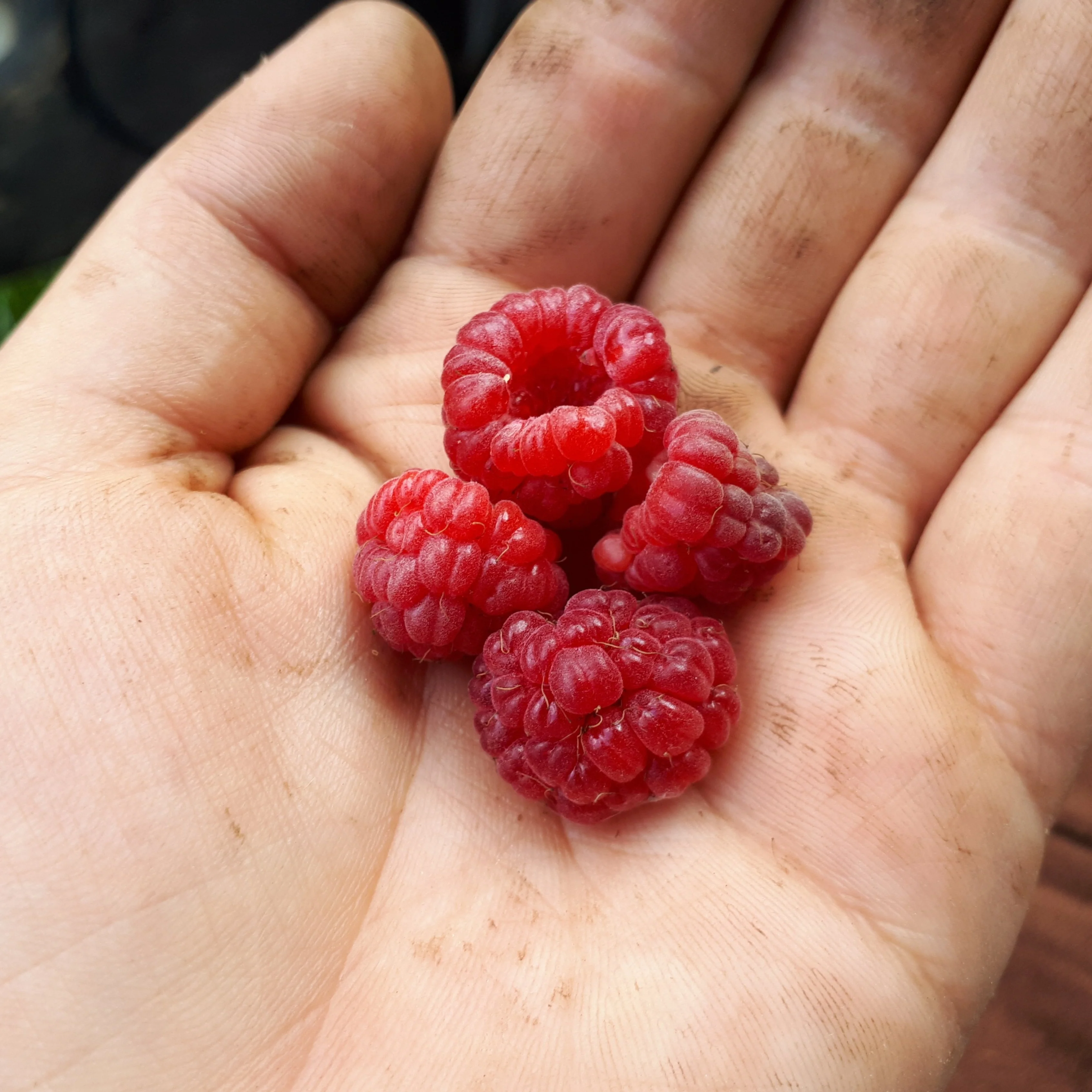
Why We Grow It: On top of the accolades mentioned above, these medium-sized red berries can also be harvested within the first year! You can enjoy them fresh or in baked goods, or freeze, dry, or preserve them to enjoy in the winter months. We find these to be sweeter than Nova, but with a milder flavour and slightly crumbly texture. The canes are thorny so exercise caution when working around this variety! You can cut down the canes in the winter for a large fall crop, or enjoy a more spread out crop from June to September. We have found cutting the patch down annually also helps with borer problems.
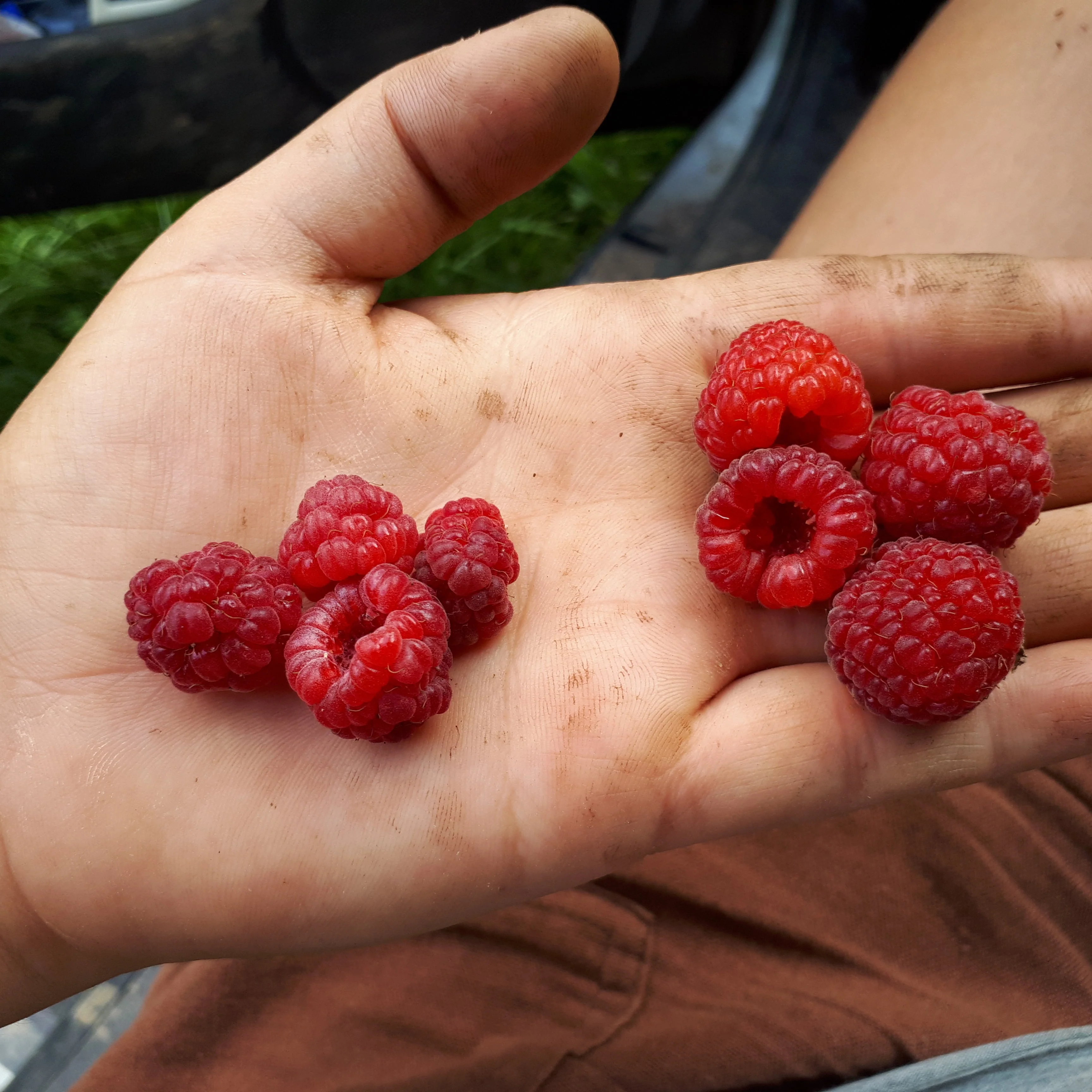
The second product photo shows Nova (right) compared to Heritage (left).
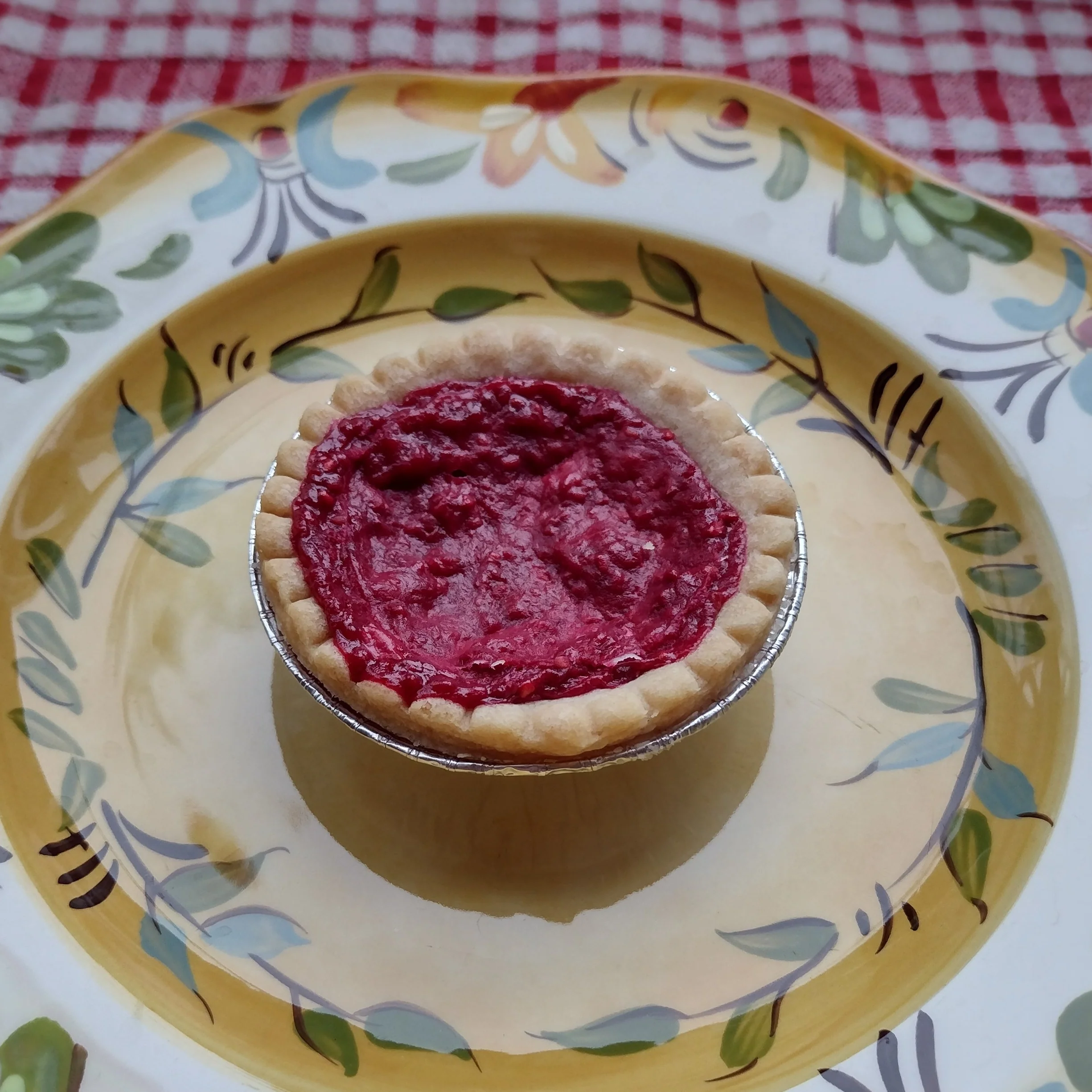
The third photo shows a Heritage and Nova raspberry tart Steph made!
Original: $4.34
-70%$4.34
$1.30Product Information
Product Information
Shipping & Returns
Shipping & Returns
Description
Species: Rubus sp.
History: Heritage raspberries were developed by Cornell University in New York and introduced in 1969. It is one of the most widely grown raspberry varieties in the world due to the quality of its fruit and its extended bearing season. This variety is considered the standard for everbearing varieties and in 2004 it even received the Outstanding Fruit Cultivar Award from the American Society of Horticultural Sciences.
Why We Grow It: On top of the accolades mentioned above, these medium-sized red berries can also be harvested within the first year! You can enjoy them fresh or in baked goods, or freeze, dry, or preserve them to enjoy in the winter months. We find these to be sweeter than Nova, but with a milder flavour and slightly crumbly texture. The canes are thorny so exercise caution when working around this variety! You can cut down the canes in the winter for a large fall crop, or enjoy a more spread out crop from June to September. We have found cutting the patch down annually also helps with borer problems.
The second product photo shows Nova (right) compared to Heritage (left).
The third photo shows a Heritage and Nova raspberry tart Steph made!