Osage Orange Seedling Bareroot
Tree Discount: Purchase multiples of this tree & enjoy the savings!
Enjoy our bulk quantity discount (see below) and add to cart to see how much you save!
Species: Maclura pomifera
History: Osage Orange is originally native to a small portion of Texas, Arkansas, and Oklahoma. It was first introduced to European colonizers in the early 1800s by the Osage Nation, hence the name of the tree, who prized it for its use in making bows. It was then widely planted across the US in hedgerows thanks to the dense, thorny hedges it forms when pruned that were impenetrable to livestock. It was in fact one of the primary trees included in President Franklin Roosevelt's Great Plains Shelterbelt project which started in 1934 and by 1942 had resulted in 220 million trees being planted. The hard, rot-resistant, yellow wood was also useful for making fence posts, tool handles, and dye.
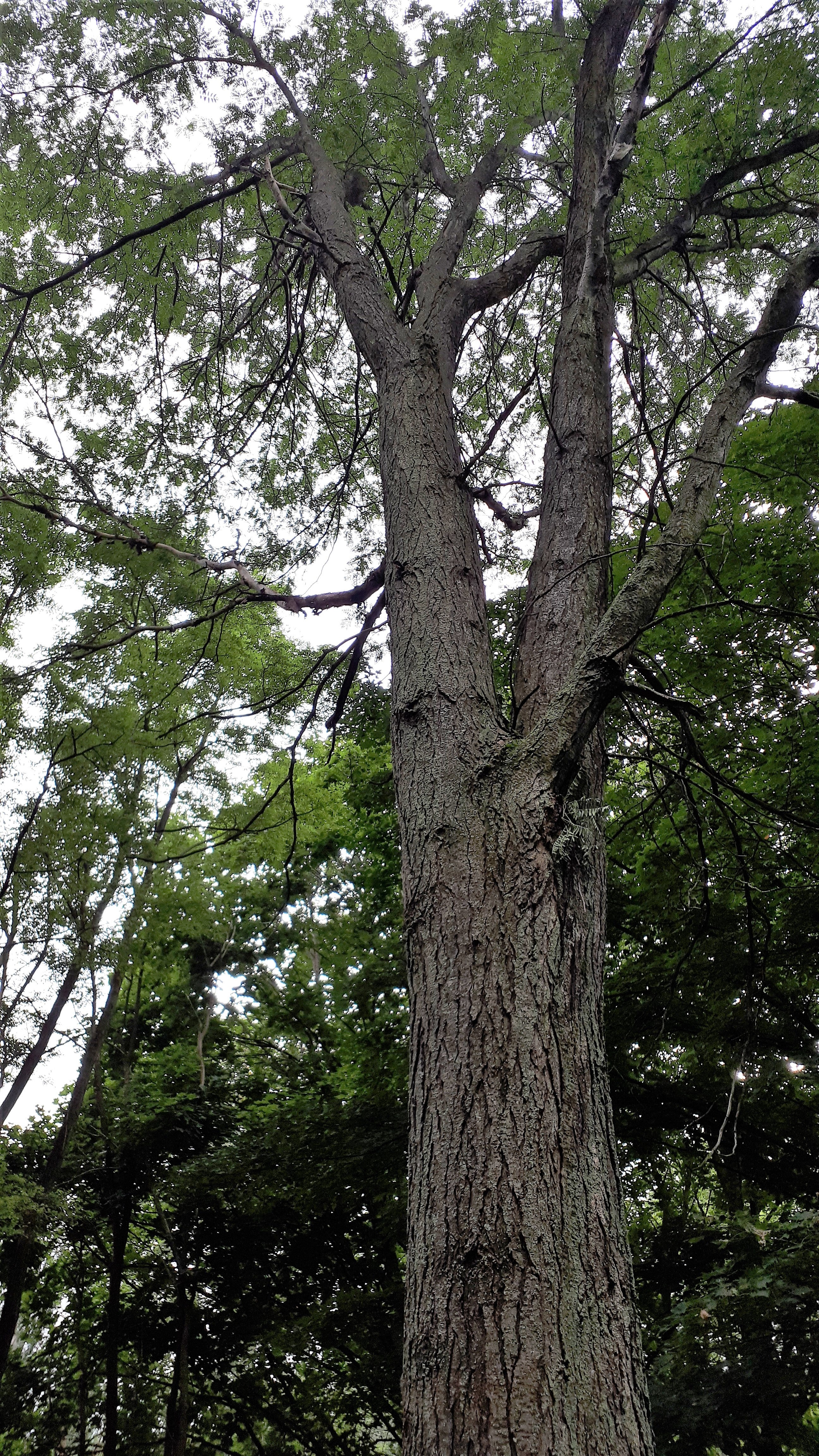
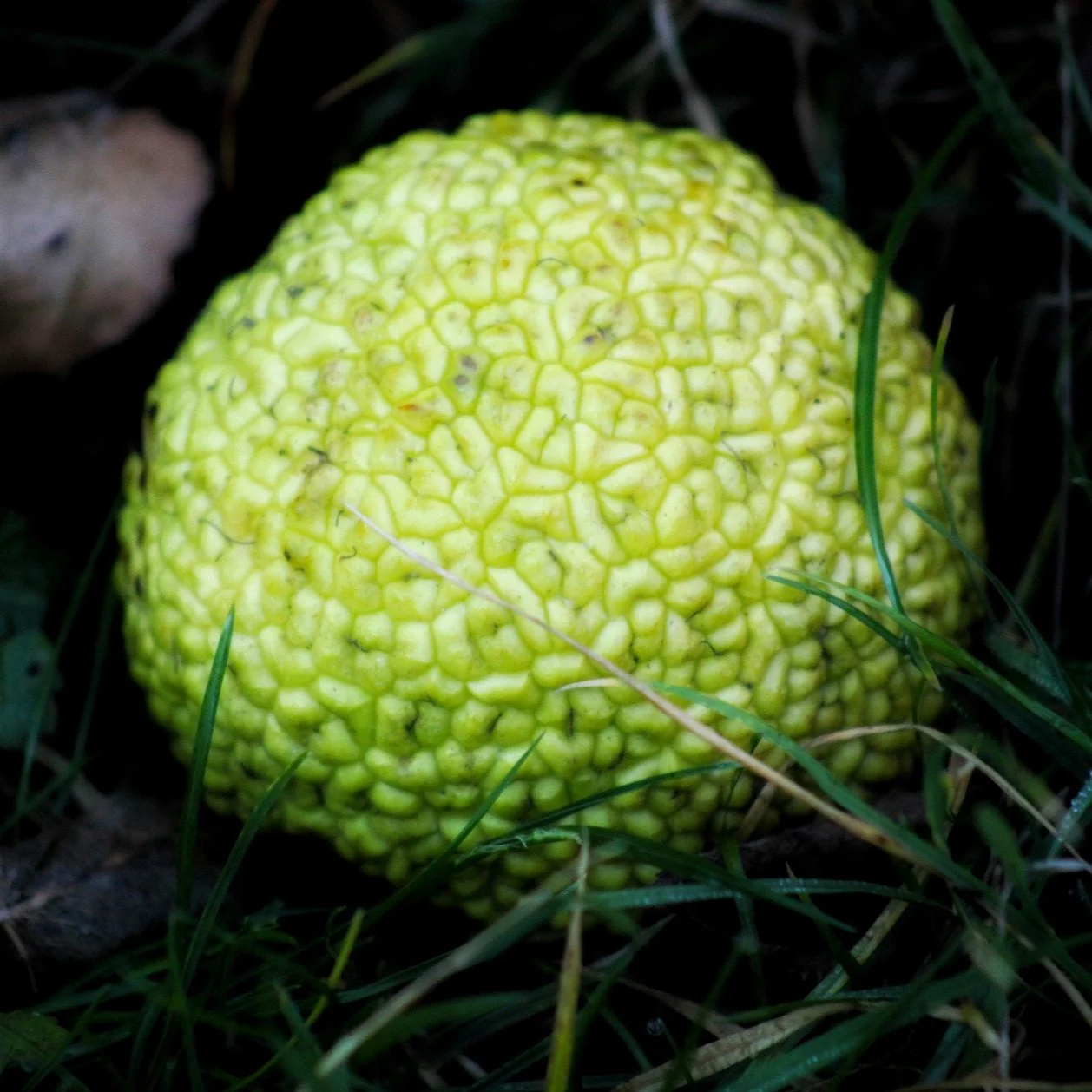
Why We Grow It: Although the fruit produced by the Osage Orange is not considered edible, this tree has plenty of other uses! It is still commonly planted as an ornamental tree and the bright yellow inner wood adds an extra level of appeal.
Original: $11.20
-70%$11.20
$3.36Product Information
Product Information
Shipping & Returns
Shipping & Returns
Description
Tree Discount: Purchase multiples of this tree & enjoy the savings!
Enjoy our bulk quantity discount (see below) and add to cart to see how much you save!
Species: Maclura pomifera
History: Osage Orange is originally native to a small portion of Texas, Arkansas, and Oklahoma. It was first introduced to European colonizers in the early 1800s by the Osage Nation, hence the name of the tree, who prized it for its use in making bows. It was then widely planted across the US in hedgerows thanks to the dense, thorny hedges it forms when pruned that were impenetrable to livestock. It was in fact one of the primary trees included in President Franklin Roosevelt's Great Plains Shelterbelt project which started in 1934 and by 1942 had resulted in 220 million trees being planted. The hard, rot-resistant, yellow wood was also useful for making fence posts, tool handles, and dye.
Why We Grow It: Although the fruit produced by the Osage Orange is not considered edible, this tree has plenty of other uses! It is still commonly planted as an ornamental tree and the bright yellow inner wood adds an extra level of appeal.