Shagbark Hickory Seedling Bareroot
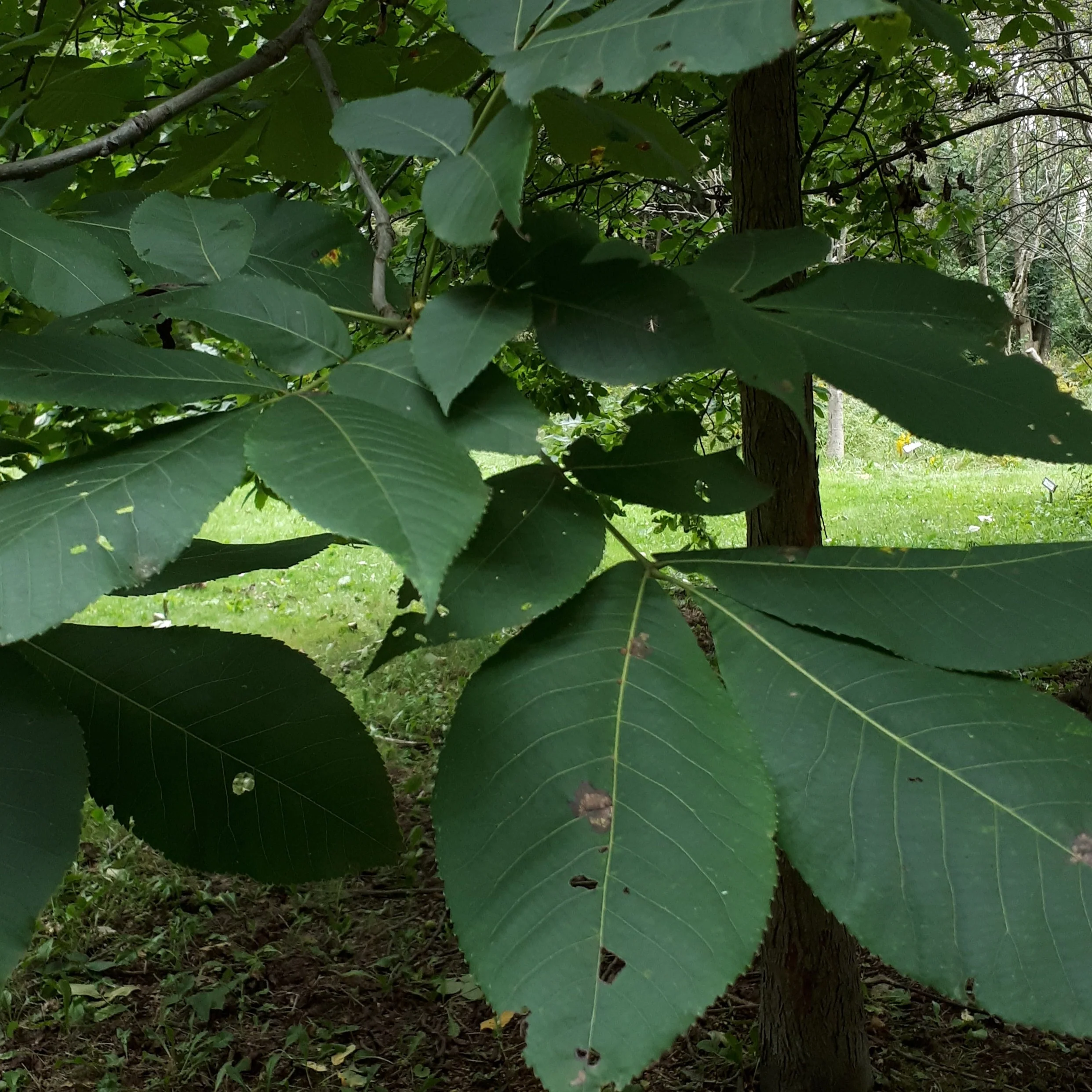
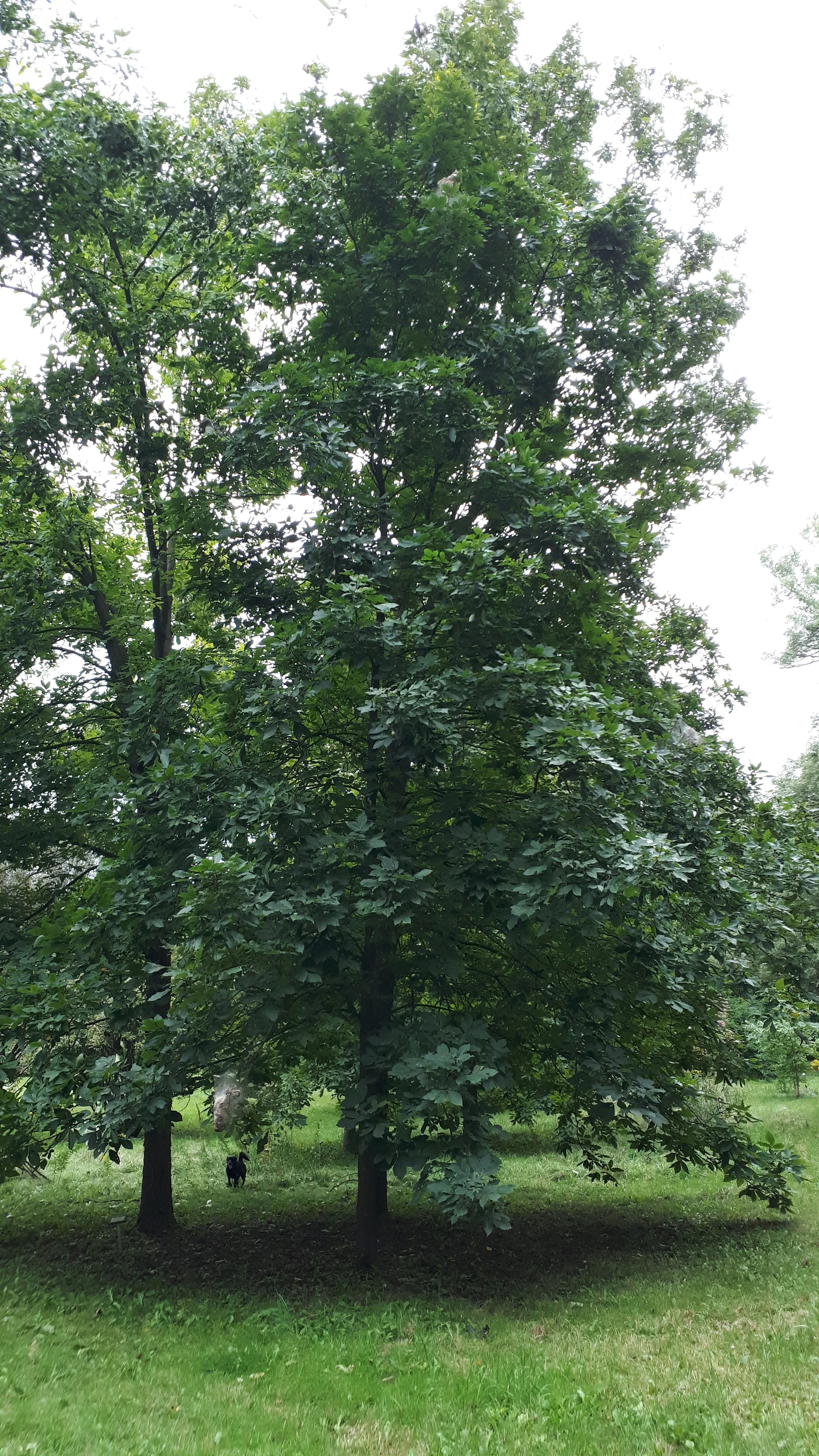
Species: Carya ovata or hybrid. Our seeds are collected from trees that may have been cross-pollinated by closely related species so the resulting seedlings may be hybrids.
History: Shagbark Hickory is native to parts of southern Ontario and much of the eastern United States. Much more common than the Shellbark Hickory, Shagbark Hickory is an important source of food for many species. Indigenous peoples also used the nuts as a food source and made the kernel milk into various dishes, along with using the wood to make bows. The strong wood is also used to make items such as tool handles and drumsticks that require extra durability. Check out this blog post by one of our customers to learn more cool history about these trees.
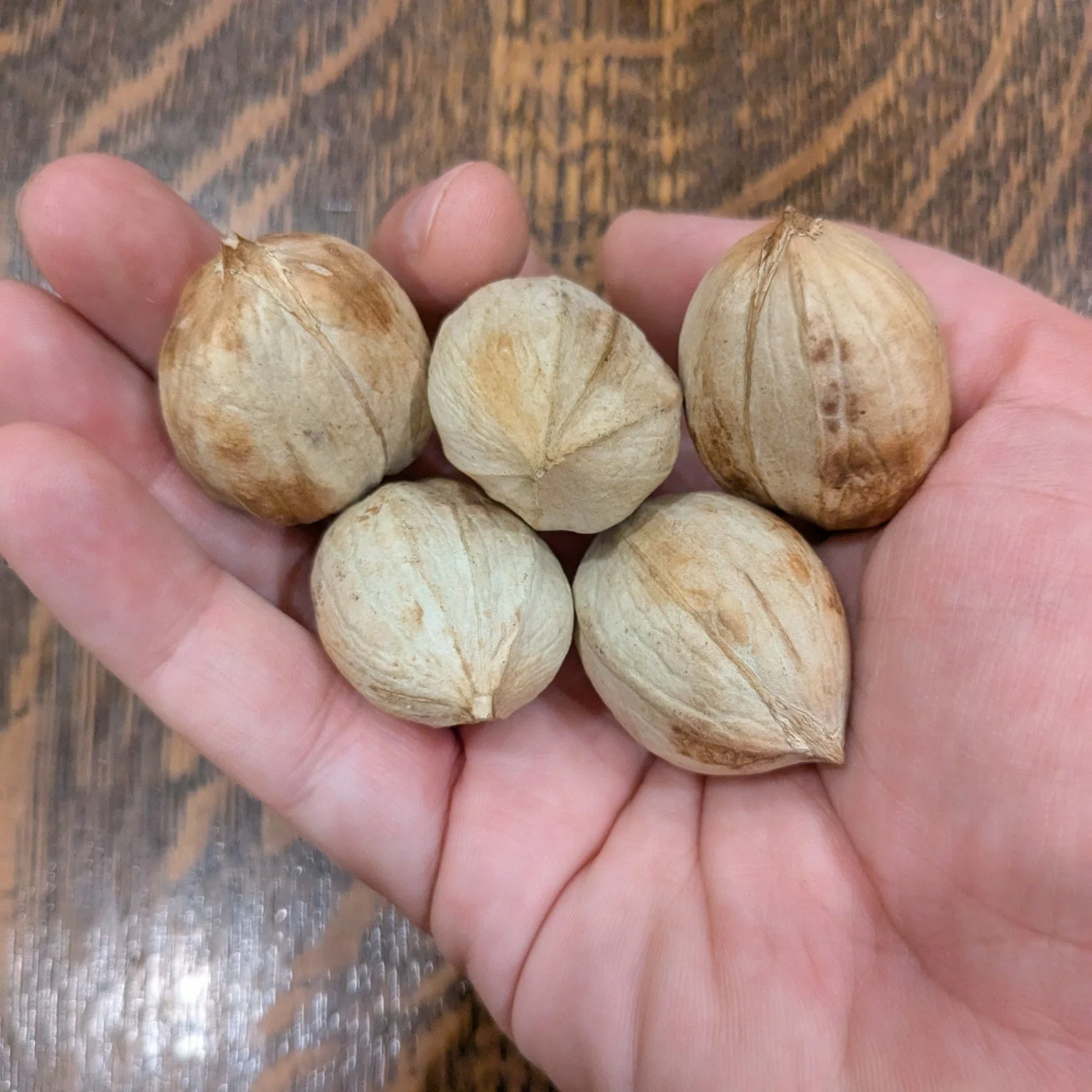
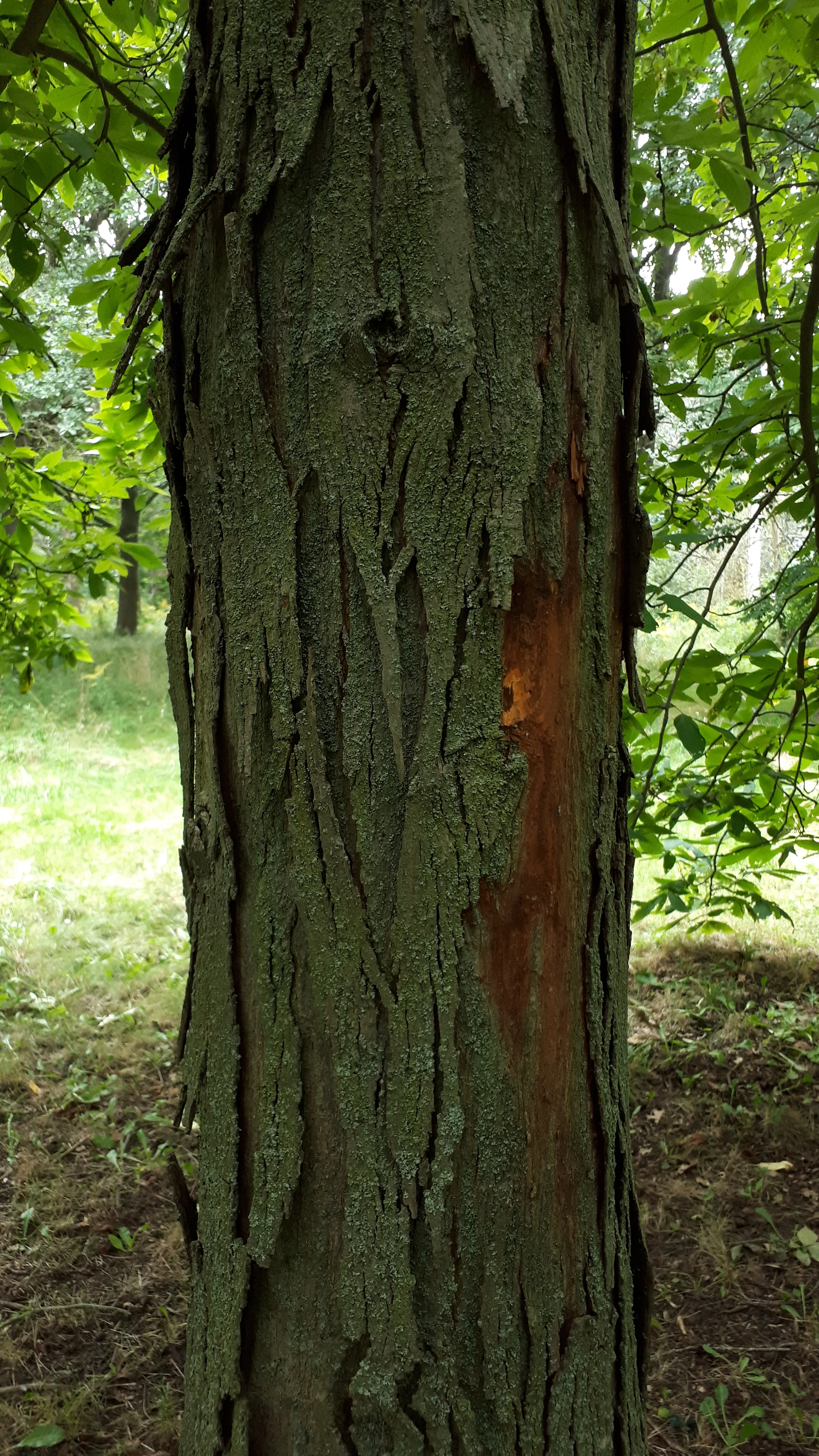
Why We Grow It: Shagbark Hickory produces an abundant crop of small hickory nuts every year and the sap can also be boiled for a unique flavored syrup (we haven't tried this yet, but would love to hear about it if you have!). The tree gets its name from the unique peeling bark, adding extra visual appeal wherever the tree is planted.
Original: $14.81
-70%$14.81
$4.44Product Information
Product Information
Shipping & Returns
Shipping & Returns
Description
Species: Carya ovata or hybrid. Our seeds are collected from trees that may have been cross-pollinated by closely related species so the resulting seedlings may be hybrids.
History: Shagbark Hickory is native to parts of southern Ontario and much of the eastern United States. Much more common than the Shellbark Hickory, Shagbark Hickory is an important source of food for many species. Indigenous peoples also used the nuts as a food source and made the kernel milk into various dishes, along with using the wood to make bows. The strong wood is also used to make items such as tool handles and drumsticks that require extra durability. Check out this blog post by one of our customers to learn more cool history about these trees.
Why We Grow It: Shagbark Hickory produces an abundant crop of small hickory nuts every year and the sap can also be boiled for a unique flavored syrup (we haven't tried this yet, but would love to hear about it if you have!). The tree gets its name from the unique peeling bark, adding extra visual appeal wherever the tree is planted.