Shellbark Hickory Seedling Bareroot
Species: Carya laciniosa or hybrid of C. laciniosa and C. ovata
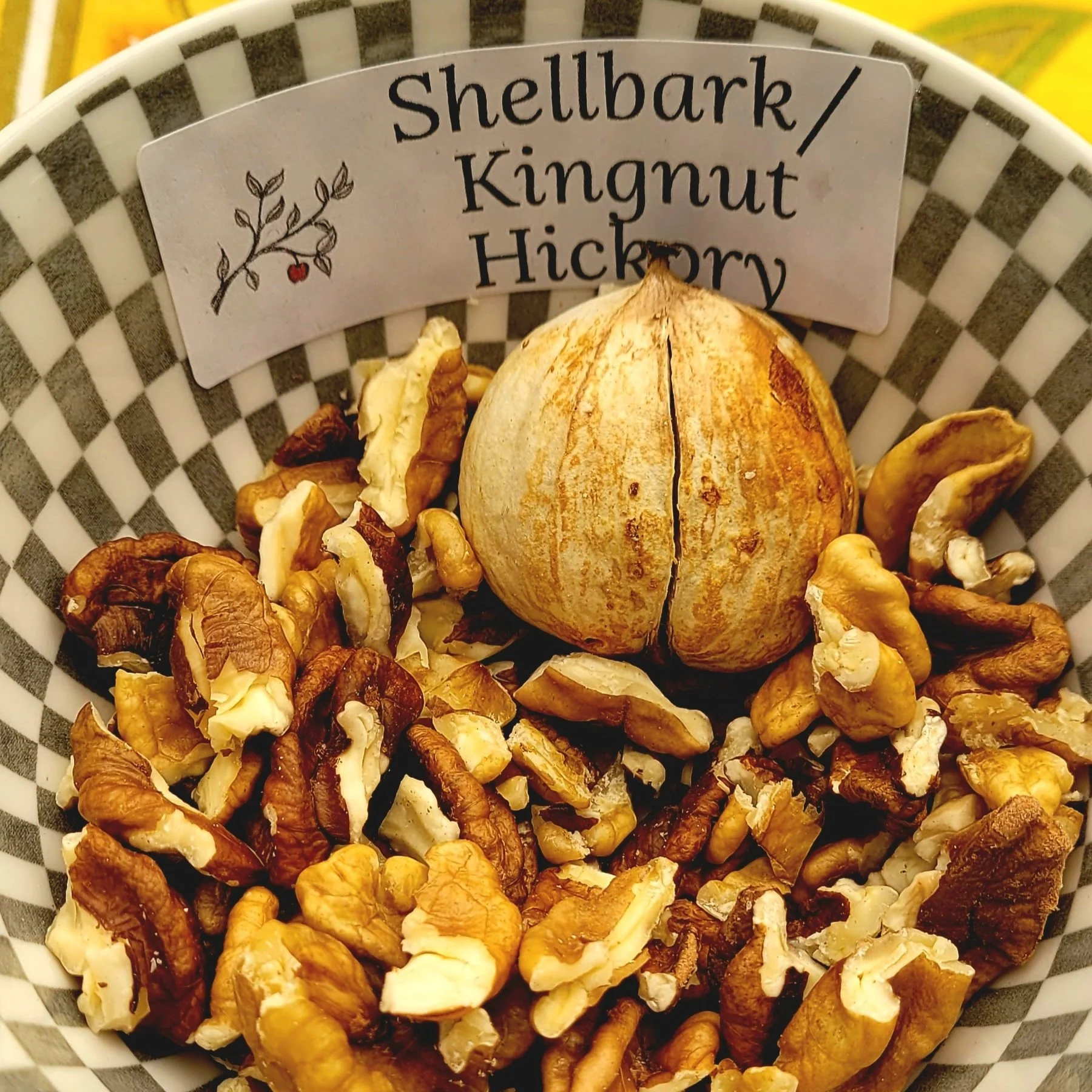
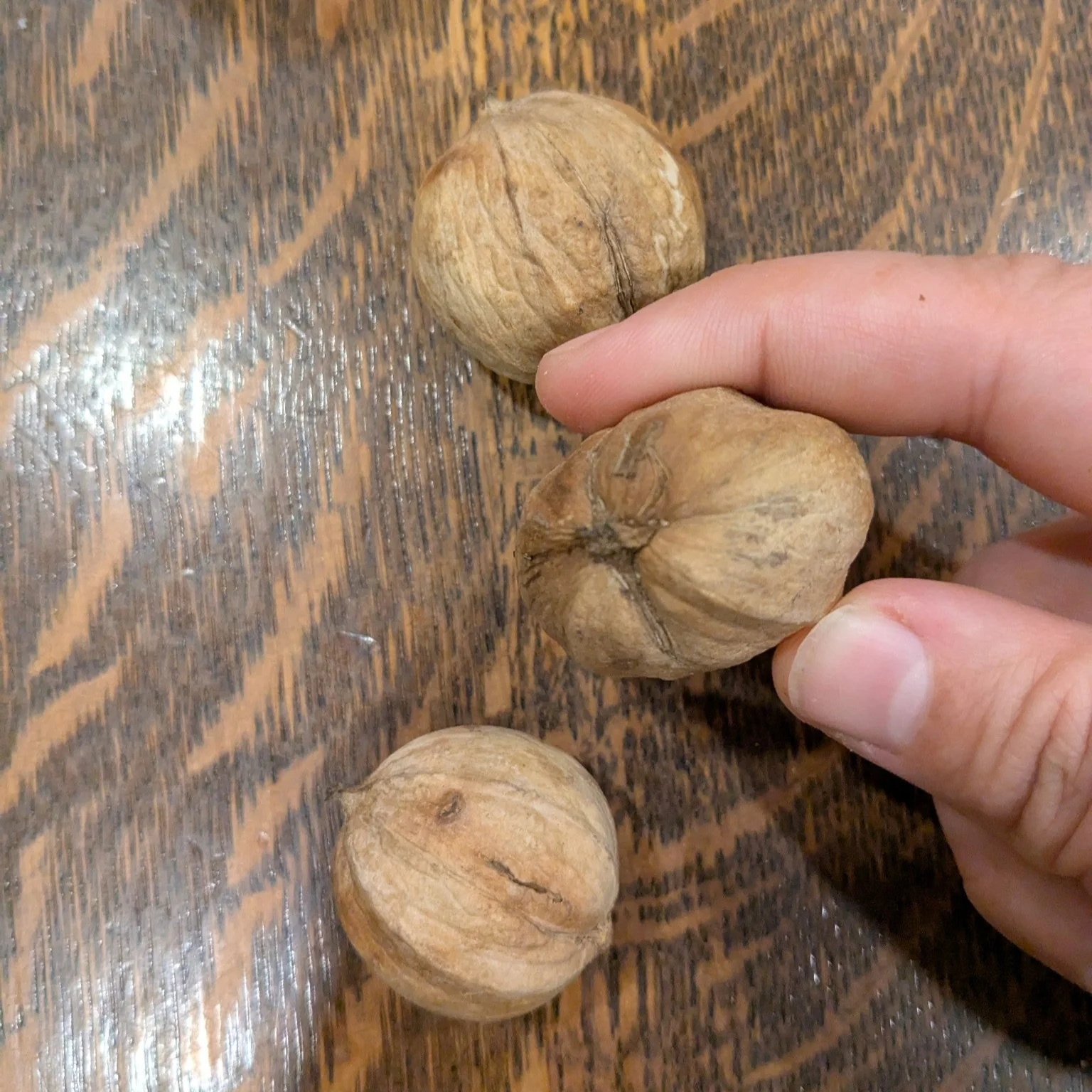
History: Shellbark Hickory can be found naturally growing in scattered pockets of southern Ontario and parts of the northern and central United States. It is relatively uncommon in its native range due to its poor seed dispersal and human activity has made the tree even more rare. A wide variety of wildlife feeds on the nuts, the largest among the hickories, and there are some plantations although it is not commonly grown commercially as the nuts are quite difficult to crack. The wood, which is hard and strong yet flexible, is used to make furniture and tool handles while the inner bark has been used by indigenous peoples to make items such as baskets and snowshoes. Check out this blog post by one of our customers to learn more cool history about these trees.
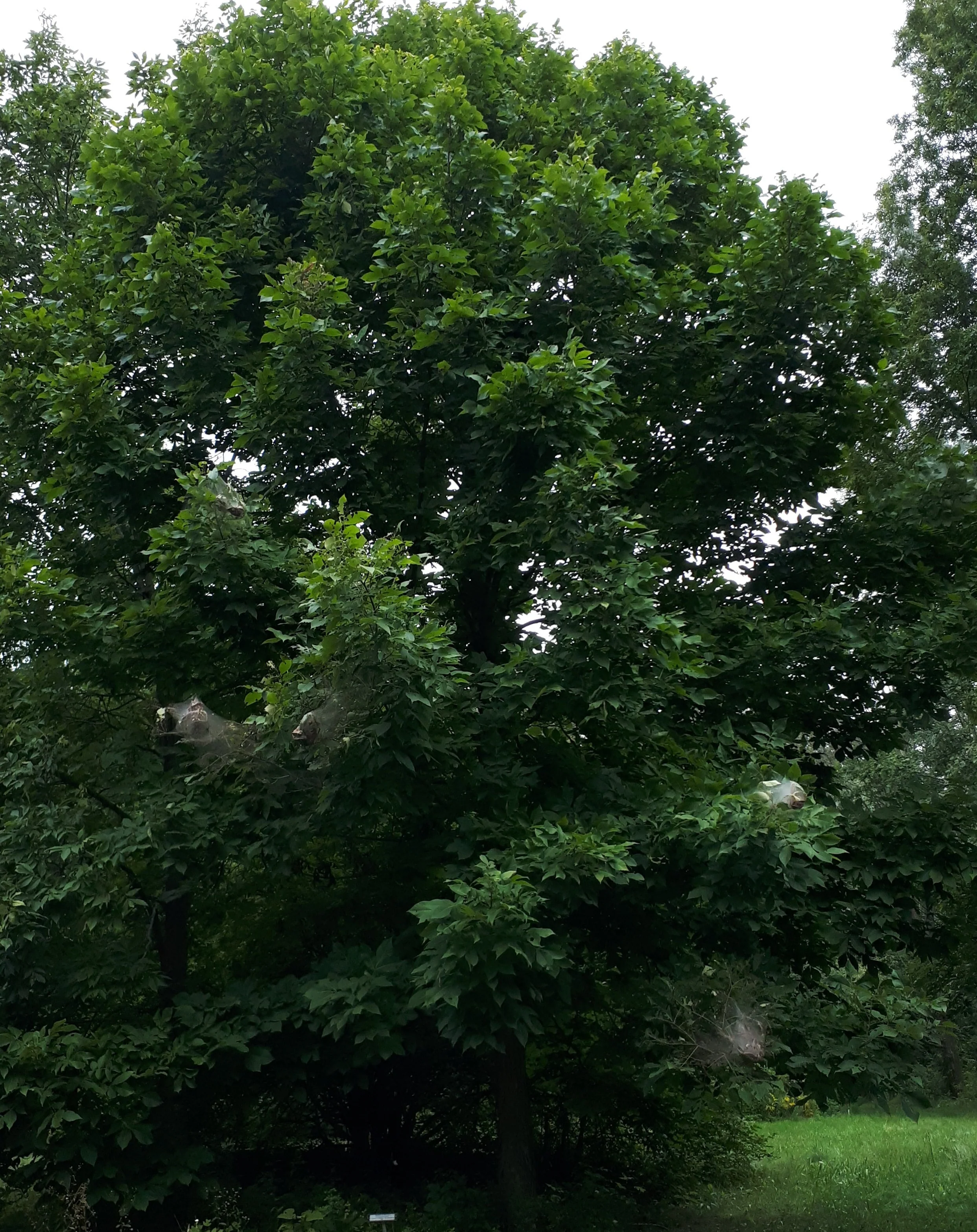
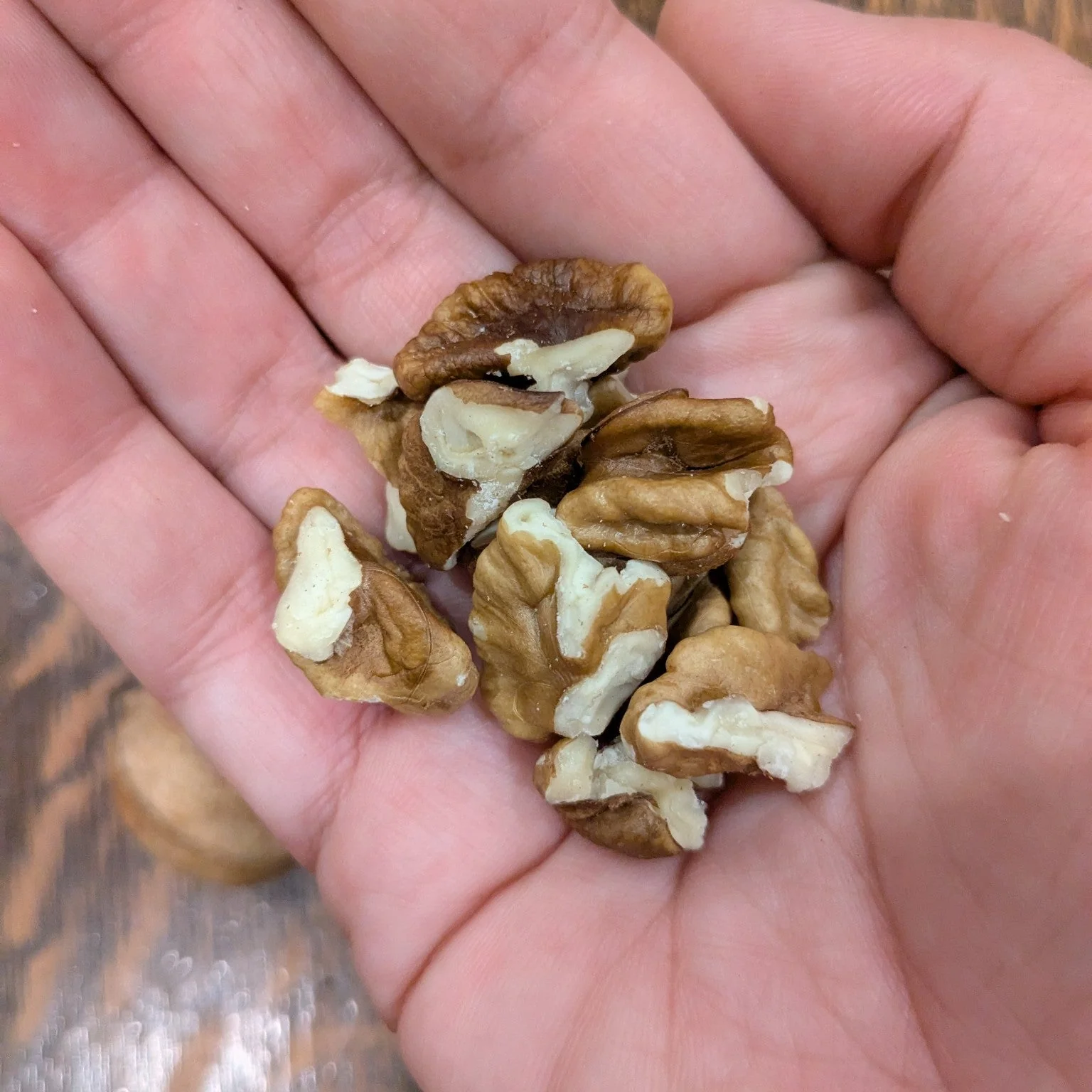
Why We Grow It: Although difficult to crack, it is worth the effort to access the sweet nuts which are great eaten raw or baked into pies like pecans. The tree itself is quite attractive with unique bark that looks like it is flaking or peeling in strips once the tree matures.
Original: $18.06
-70%$18.06
$5.42Product Information
Product Information
Shipping & Returns
Shipping & Returns
Description
Species: Carya laciniosa or hybrid of C. laciniosa and C. ovata
History: Shellbark Hickory can be found naturally growing in scattered pockets of southern Ontario and parts of the northern and central United States. It is relatively uncommon in its native range due to its poor seed dispersal and human activity has made the tree even more rare. A wide variety of wildlife feeds on the nuts, the largest among the hickories, and there are some plantations although it is not commonly grown commercially as the nuts are quite difficult to crack. The wood, which is hard and strong yet flexible, is used to make furniture and tool handles while the inner bark has been used by indigenous peoples to make items such as baskets and snowshoes. Check out this blog post by one of our customers to learn more cool history about these trees.
Why We Grow It: Although difficult to crack, it is worth the effort to access the sweet nuts which are great eaten raw or baked into pies like pecans. The tree itself is quite attractive with unique bark that looks like it is flaking or peeling in strips once the tree matures.