Silver Buffaloberry Seedling Bareroot
Species: Shepherdia argentea
History: Silver Buffaloberries are native to the southern parts of the prairies, parts of the northern US with scattered populations further south. It is an important source of food and habitat for many species including Saskatchewan's provincial bird the sharp-trailed grouse. It is traditionally used by indigenous peoples in its range as food, seasoning, medicine, dyes, and in coming-of-age ceremonies for girls.
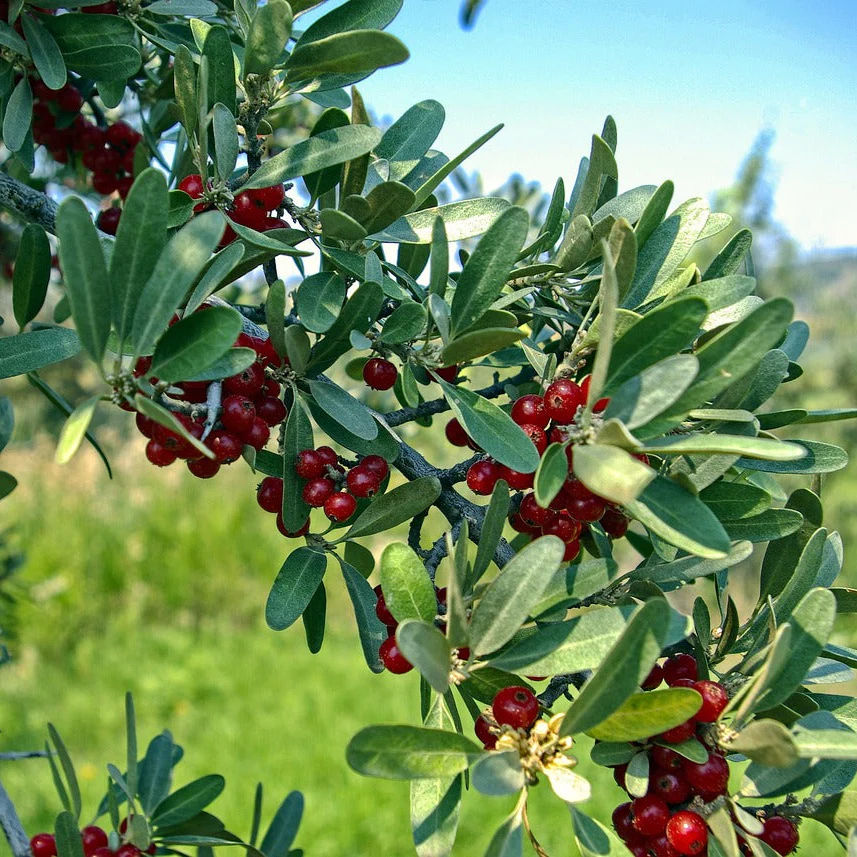
Why We Grow It: Silver Buffaloberries are an excellent addition to native gardens, food forests, and hedgerows! They are tolerant of a wide array of conditions and are also nitrogen-fixing. These shrubs are some of the first to produce flowers each spring, making them good resource for pollinators. The berries, which are often red but may be orange or yellow, are a good source of food for birds later in the season. The edible berries are on the bitter/tart side but are much more enjoyable when made into jams, jellies, and pies! Just be mindful these shrubs are thorny and will spread over time.
Original: $7.59
-70%$7.59
$2.28Product Information
Product Information
Shipping & Returns
Shipping & Returns
Description
Species: Shepherdia argentea
History: Silver Buffaloberries are native to the southern parts of the prairies, parts of the northern US with scattered populations further south. It is an important source of food and habitat for many species including Saskatchewan's provincial bird the sharp-trailed grouse. It is traditionally used by indigenous peoples in its range as food, seasoning, medicine, dyes, and in coming-of-age ceremonies for girls.
Why We Grow It: Silver Buffaloberries are an excellent addition to native gardens, food forests, and hedgerows! They are tolerant of a wide array of conditions and are also nitrogen-fixing. These shrubs are some of the first to produce flowers each spring, making them good resource for pollinators. The berries, which are often red but may be orange or yellow, are a good source of food for birds later in the season. The edible berries are on the bitter/tart side but are much more enjoyable when made into jams, jellies, and pies! Just be mindful these shrubs are thorny and will spread over time.