Tolman Sweet Apple Bareroot
2025/2026 Staff Favourite
Tolman Sweet Apples are Mouse's favourite this year! In their opinion Tolman Sweet apples are “a lovely green apple with a very unique sweetness! A must-try for anyone interested in exploring the full range of apple flavours!”
All Staff Favourites are 20% off. The Staff Favourite Discount cannot be combined with other quantity discounts.
History: Little is known about the origin of this heritage apple, but Tolman Sweet has been highly valued since its discovery. It is uncertain whether it came from Massachusetts or New York in the 18th or 19th century but it was first recorded in 1822. This hardy tree was used as a source of rootstock at one time.
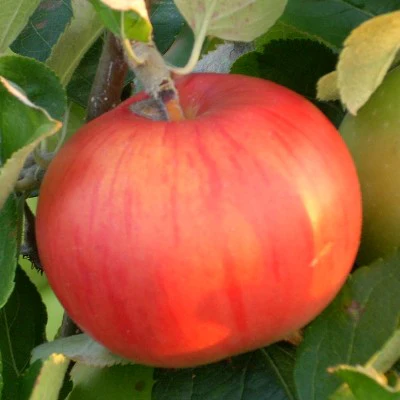
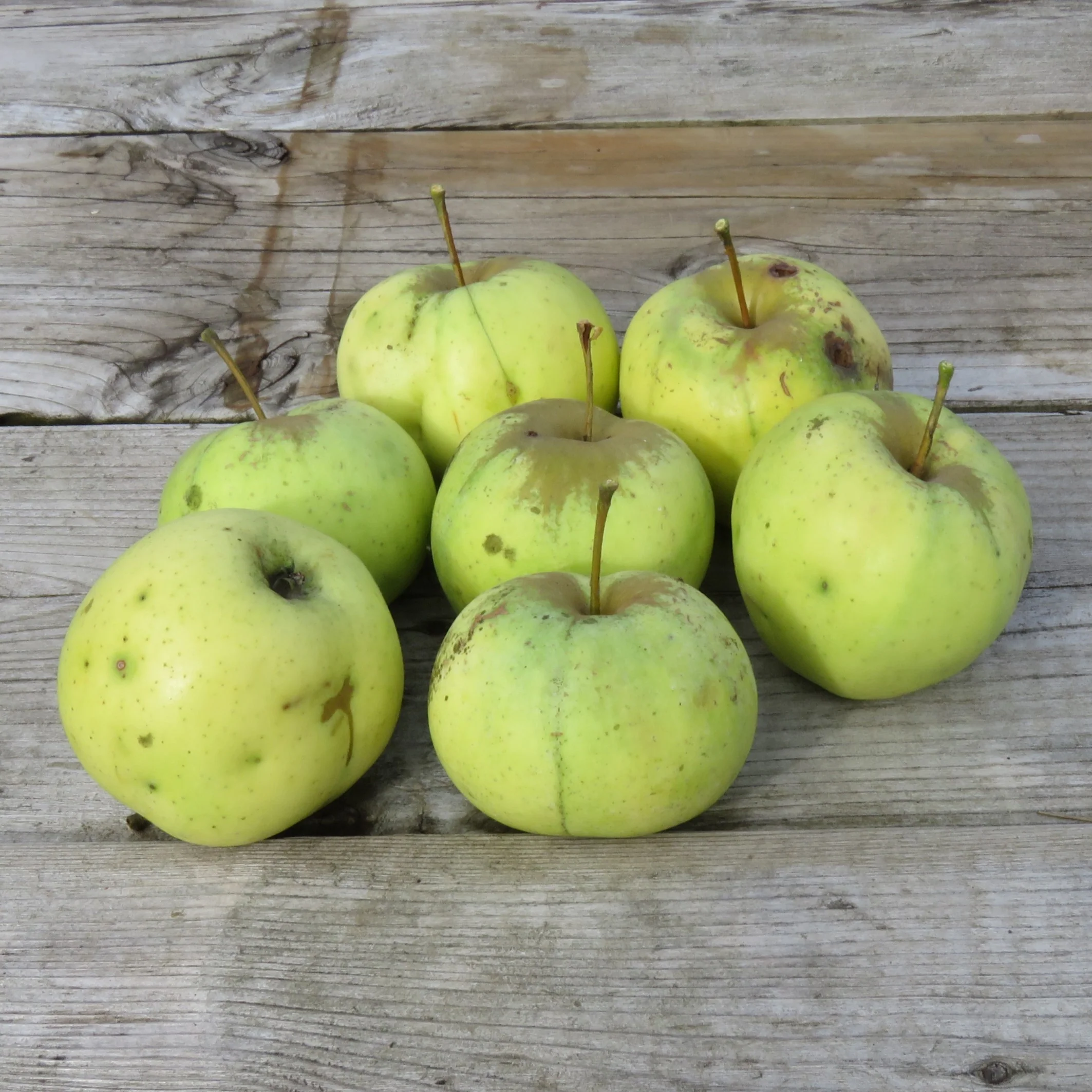
Why We Grow It: Tolman Sweet is a great all-purpose apple. The fruit are medium-sized with yellow skin, and have a distinctly sweet, dry flesh. They are nice for fresh eating but can also be used in baking, drying, and pickling. Their unusually low acid content helps to reduce acidity in both sweet and hard cider.
Original: $21.39
-70%$21.39
$6.42Product Information
Product Information
Shipping & Returns
Shipping & Returns
Description
2025/2026 Staff Favourite
Tolman Sweet Apples are Mouse's favourite this year! In their opinion Tolman Sweet apples are “a lovely green apple with a very unique sweetness! A must-try for anyone interested in exploring the full range of apple flavours!”
All Staff Favourites are 20% off. The Staff Favourite Discount cannot be combined with other quantity discounts.
History: Little is known about the origin of this heritage apple, but Tolman Sweet has been highly valued since its discovery. It is uncertain whether it came from Massachusetts or New York in the 18th or 19th century but it was first recorded in 1822. This hardy tree was used as a source of rootstock at one time.
Why We Grow It: Tolman Sweet is a great all-purpose apple. The fruit are medium-sized with yellow skin, and have a distinctly sweet, dry flesh. They are nice for fresh eating but can also be used in baking, drying, and pickling. Their unusually low acid content helps to reduce acidity in both sweet and hard cider.