Honey Locust Seedling Bareroot
Species: Gleditsia triacanthos
History: Honey Locust is native to the central United States where it has been used by indigenous peoples as a source of food and medicine. Its name is derived from the pulp inside the pea pods which is quite sweet and crisp. It has been commonly planted as a landscape tree in many places around the world due to its ability to survive many conditions too harsh for other trees. Unfortunately, Honey Locust's tenacious nature has caused it to become invasive in some places.
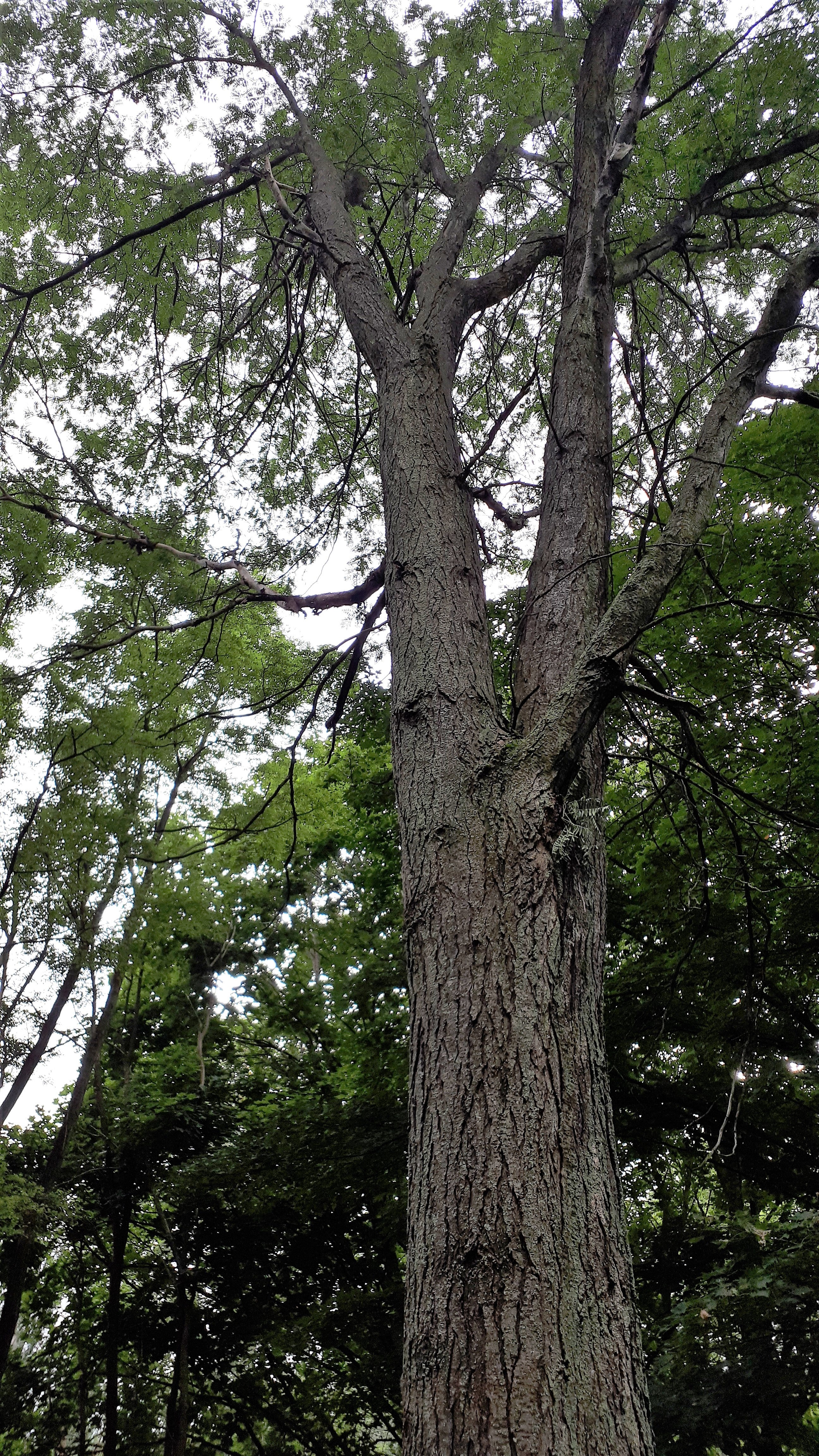
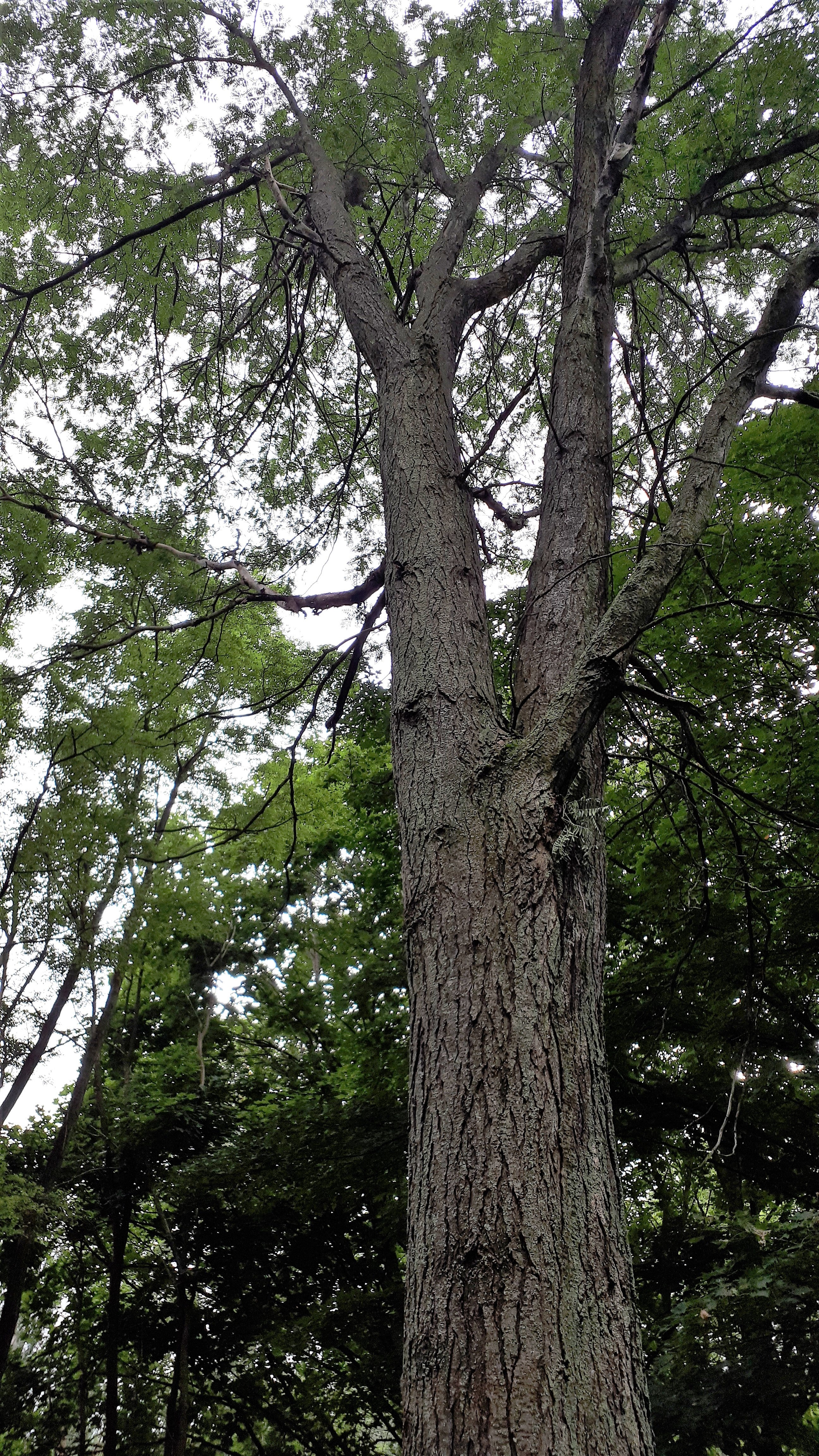
Why We Grow It: Reaching 30 meters tall, this native nitrogen fixing tree benefits many including bees, wildlife, and even humans: we can use the sweet (honey flavoured) pulp inside their pods in baking, tea or for brewing beer. Honey Locusts grow impressive thorns, 3-10 cm long which can be used for pins or nails in a pinch and the durable, rot-resistant wood has a variety of uses.
Original: $10.84
-70%$10.84
$3.25Product Information
Product Information
Shipping & Returns
Shipping & Returns
Description
Species: Gleditsia triacanthos
History: Honey Locust is native to the central United States where it has been used by indigenous peoples as a source of food and medicine. Its name is derived from the pulp inside the pea pods which is quite sweet and crisp. It has been commonly planted as a landscape tree in many places around the world due to its ability to survive many conditions too harsh for other trees. Unfortunately, Honey Locust's tenacious nature has caused it to become invasive in some places.
Why We Grow It: Reaching 30 meters tall, this native nitrogen fixing tree benefits many including bees, wildlife, and even humans: we can use the sweet (honey flavoured) pulp inside their pods in baking, tea or for brewing beer. Honey Locusts grow impressive thorns, 3-10 cm long which can be used for pins or nails in a pinch and the durable, rot-resistant wood has a variety of uses.