Illinois Everbearing Mulberry Cutting Bareroot
Species: Morus rubra x M. alba
History: Illinois Everbearing was discovered in Illinois, US by the Wabash River and is a natural cross between red mulberries (M. rubra) and white mulberries (M. alba). It was discovered by Peter Glaser in 1947 and likely selected for its excellent fruit quality and everbearing nature. Named for its State of origin and long harvest window, Illinois Everbearing was released in 1958 by Burgess Seed and Plant Co. in Michigan and has since become one of the most popular mulberries in North America.
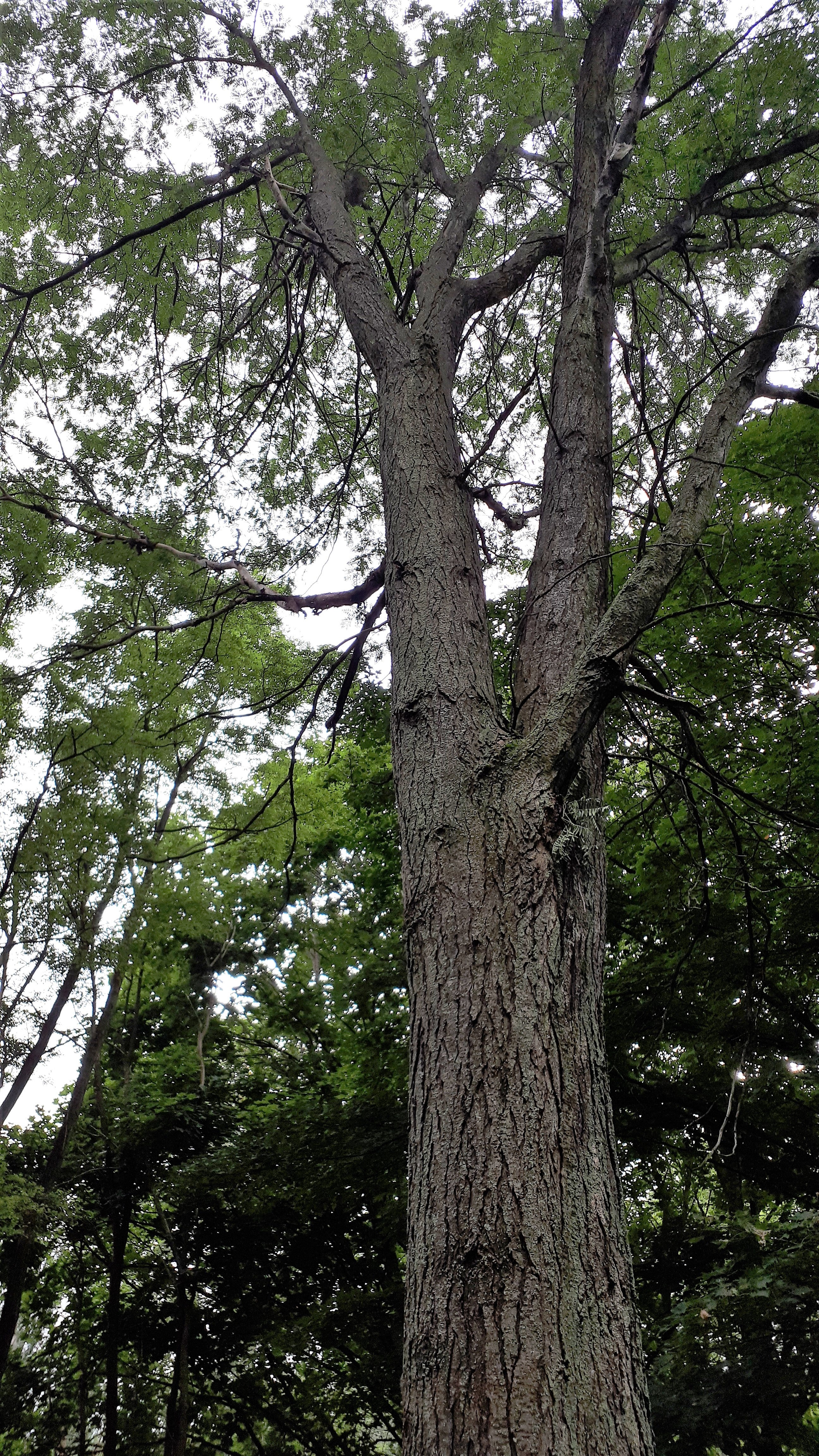
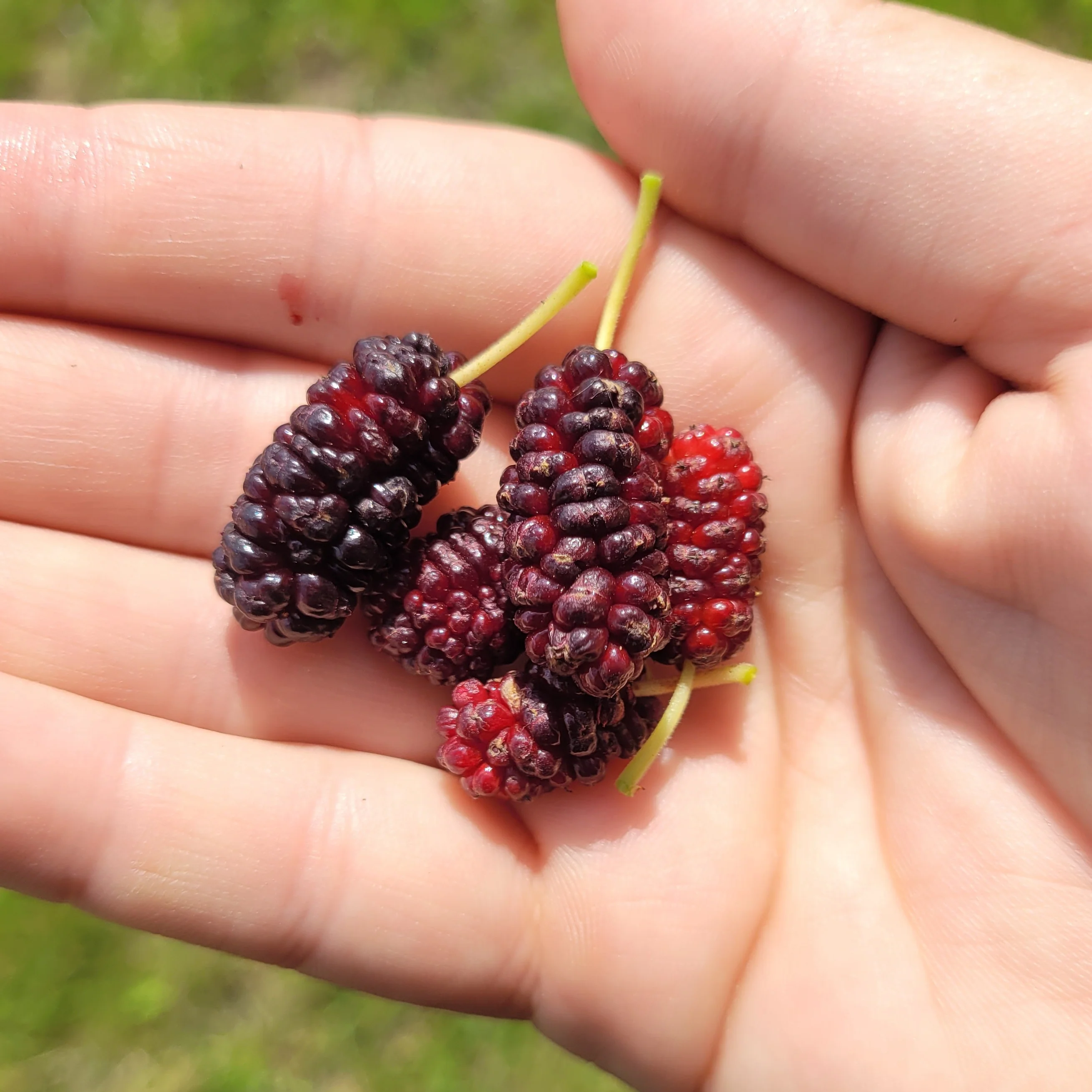
Why We Grow It: Illinois Everbearing produces large, almost seedless mulberries with an excellent flavour. They are great for eating fresh, baking, or making into jams. Better yet, these excellent mulberries ripen from July into September, providing a wide window to enjoy these tasty treats. The tree itself is hardy and vigorous but is relatively easy to keep pruned to a smaller size.
Product Information
Product Information
Shipping & Returns
Shipping & Returns
Description
Species: Morus rubra x M. alba
History: Illinois Everbearing was discovered in Illinois, US by the Wabash River and is a natural cross between red mulberries (M. rubra) and white mulberries (M. alba). It was discovered by Peter Glaser in 1947 and likely selected for its excellent fruit quality and everbearing nature. Named for its State of origin and long harvest window, Illinois Everbearing was released in 1958 by Burgess Seed and Plant Co. in Michigan and has since become one of the most popular mulberries in North America.
Why We Grow It: Illinois Everbearing produces large, almost seedless mulberries with an excellent flavour. They are great for eating fresh, baking, or making into jams. Better yet, these excellent mulberries ripen from July into September, providing a wide window to enjoy these tasty treats. The tree itself is hardy and vigorous but is relatively easy to keep pruned to a smaller size.