Alkmene Apple Scionwood
History: Alkmene, aka Early Windsor, was developed by M. Schmidt and H. Murawski at the Kaiser-Wilhelm-Institut für Züchtungsforschung in Müncheberg, Germany in the 1930s.* It was named after Hercules' mother Alcmene. After the chaos of WW2, it took about 30 years for Alkmene to be introduced to the rest of the world. It was released in 1962 and given the name Early Windsor for better marketability. It remains a popular apple in Europe today.
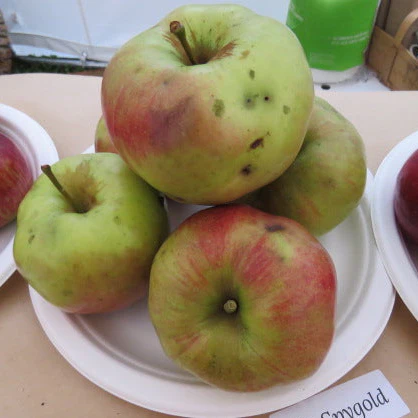
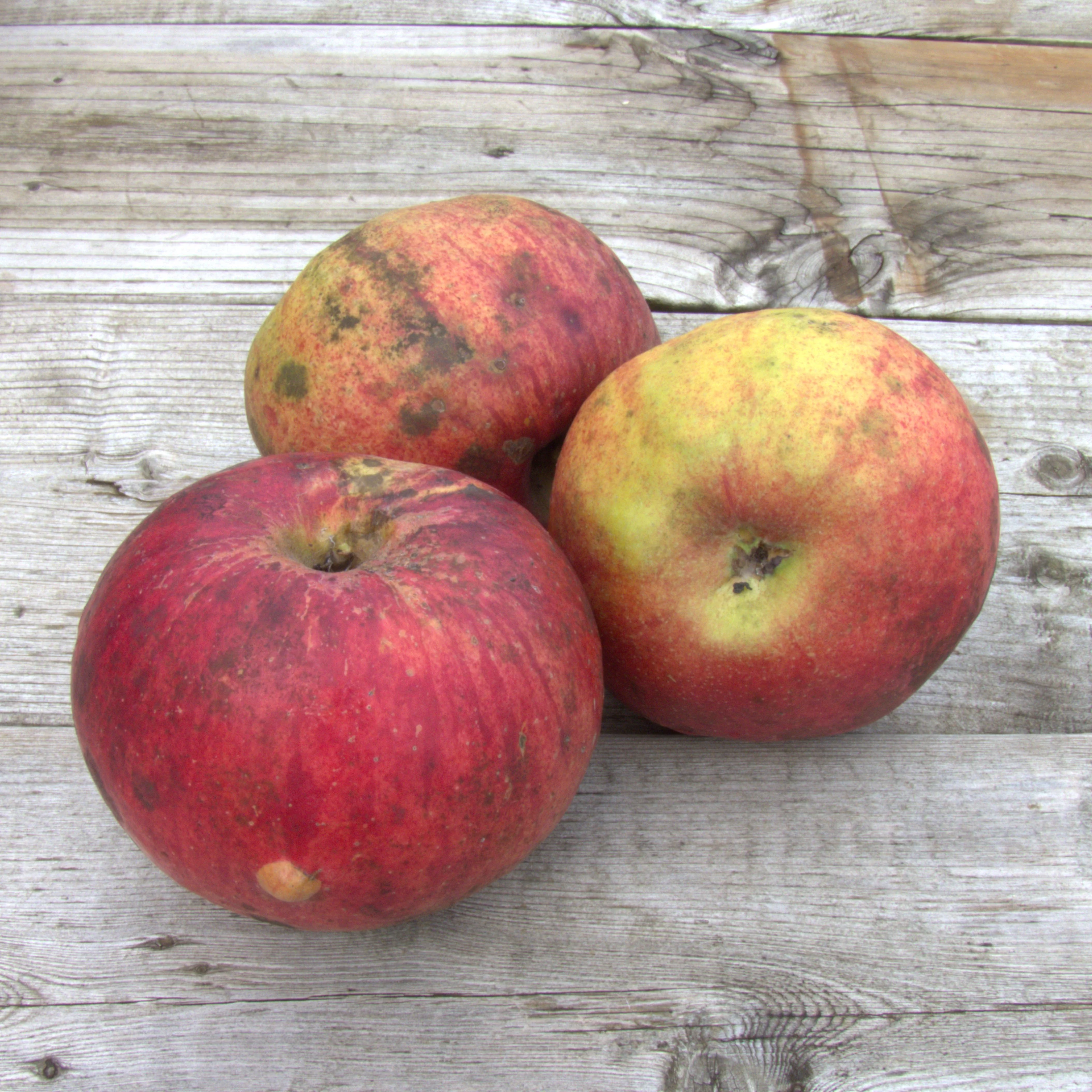
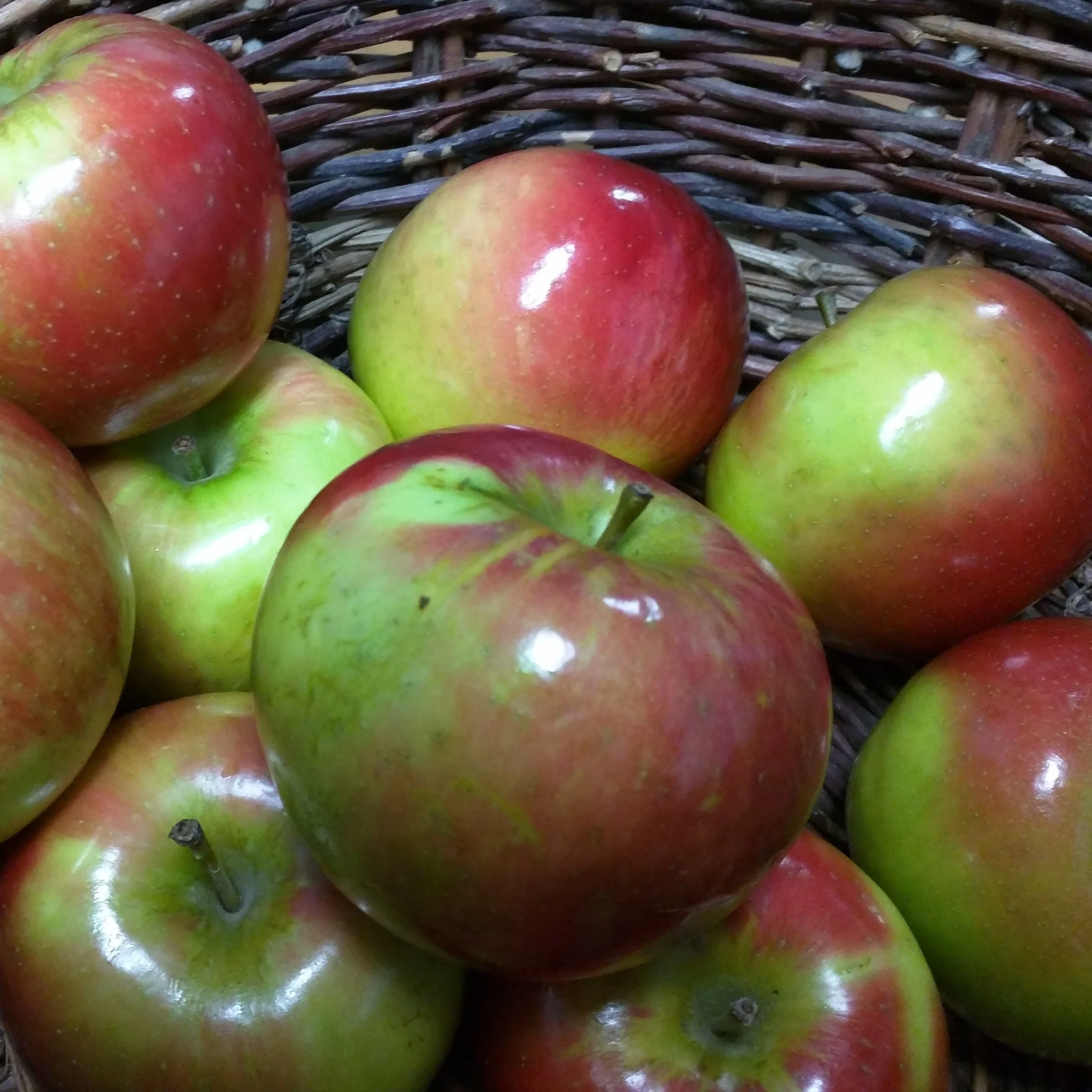
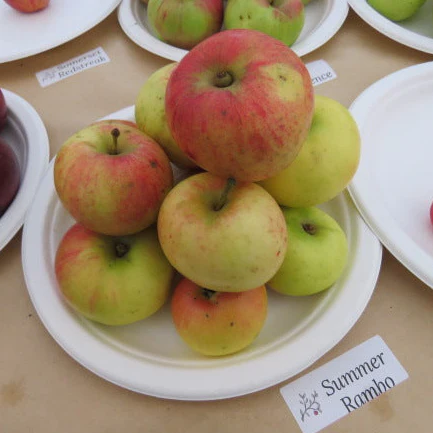
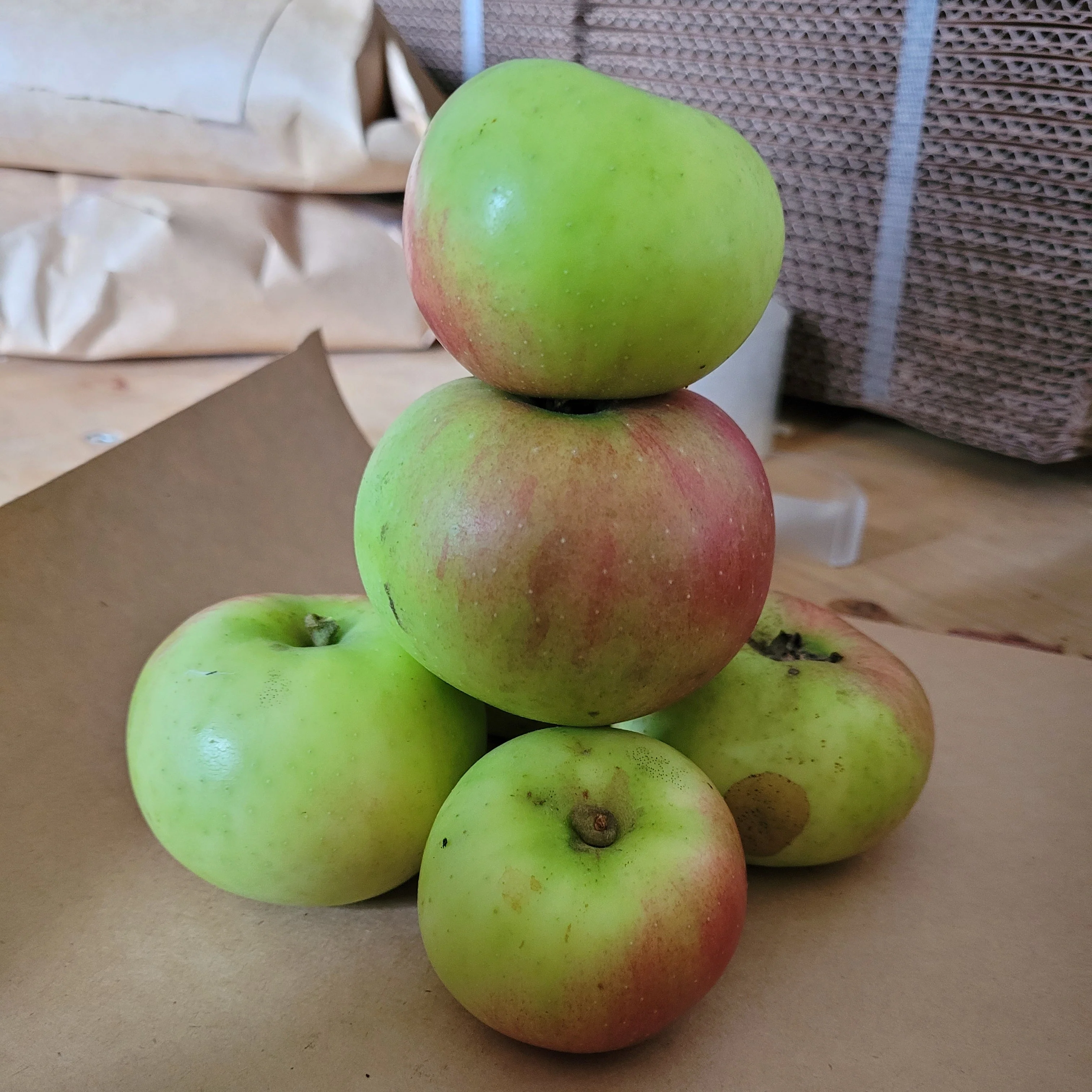
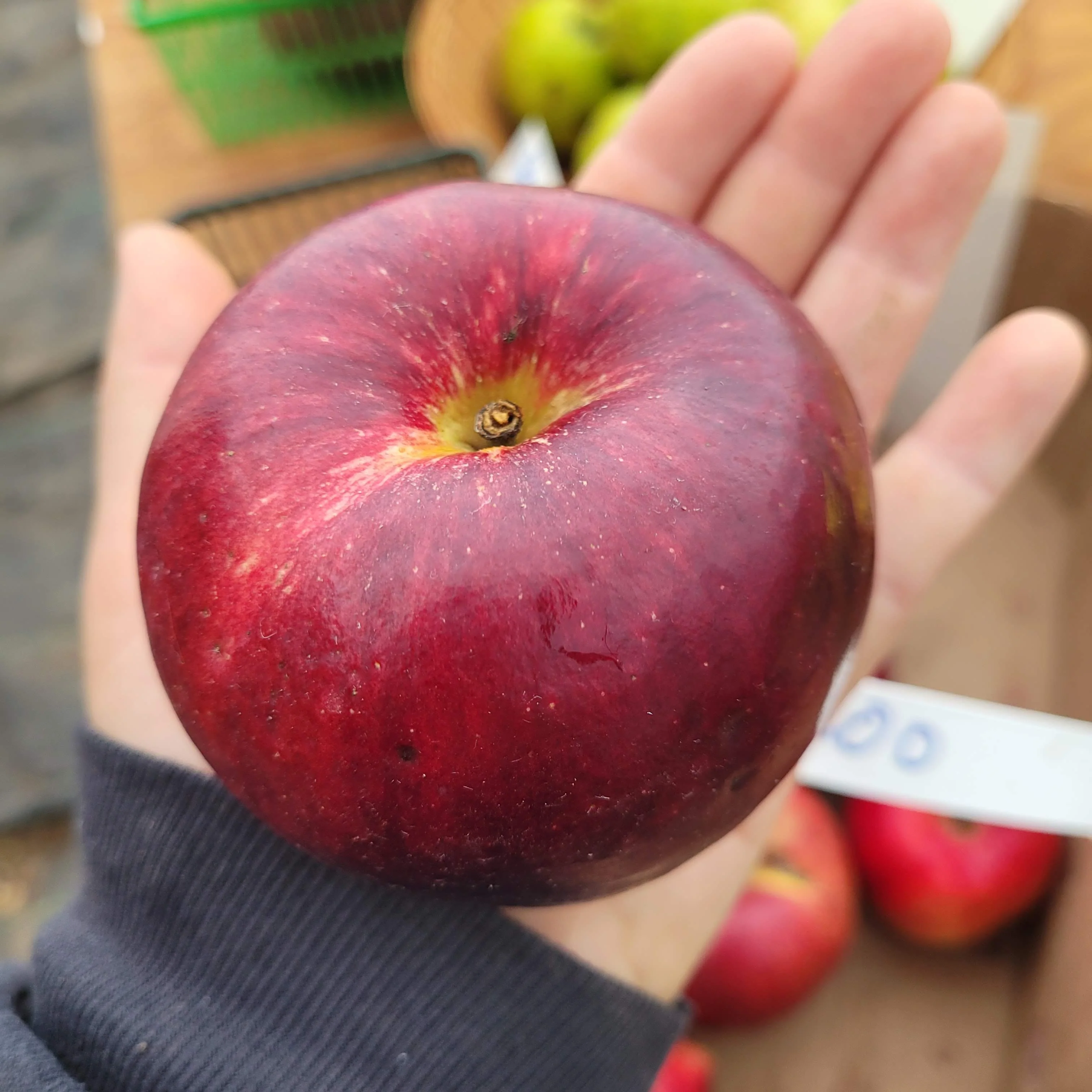
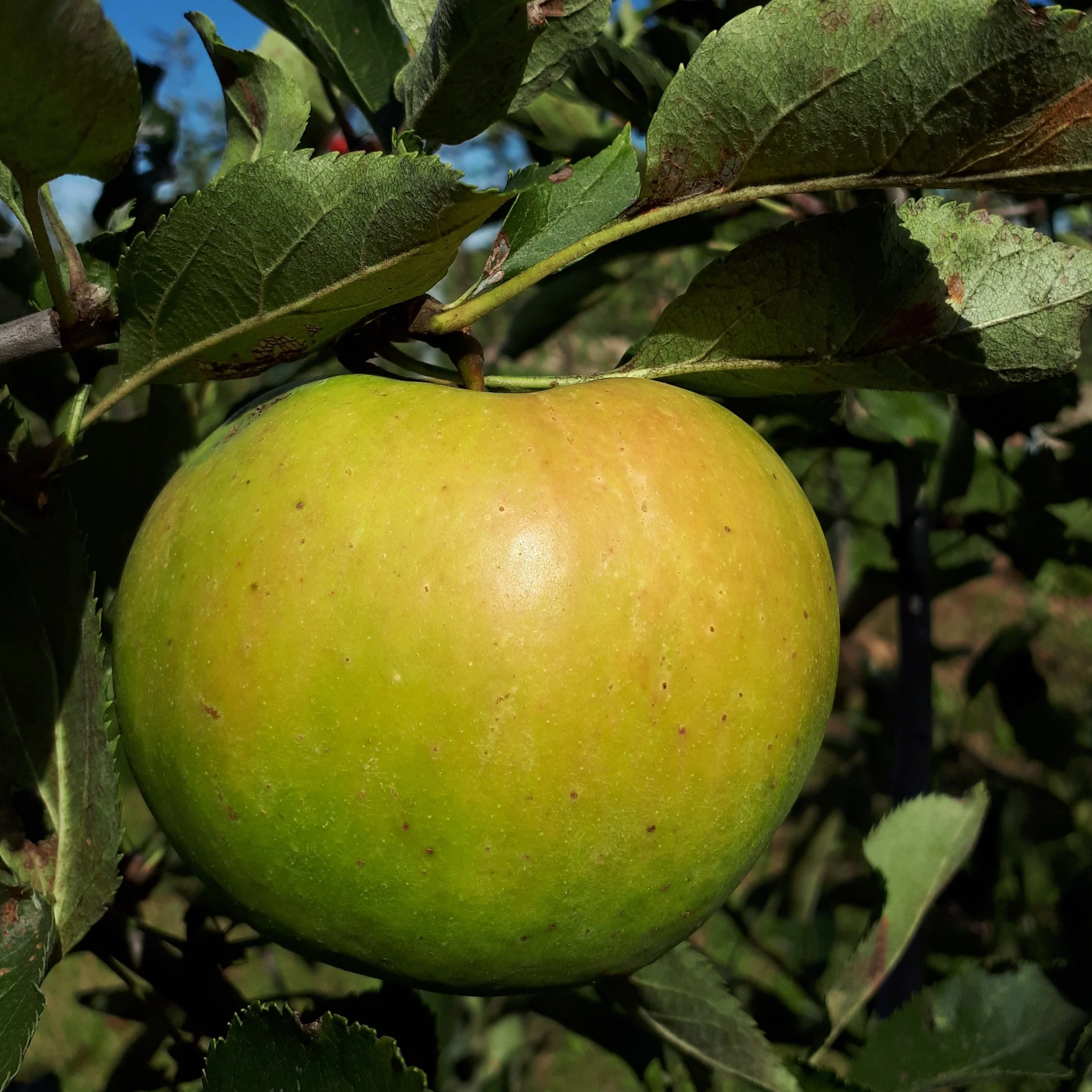
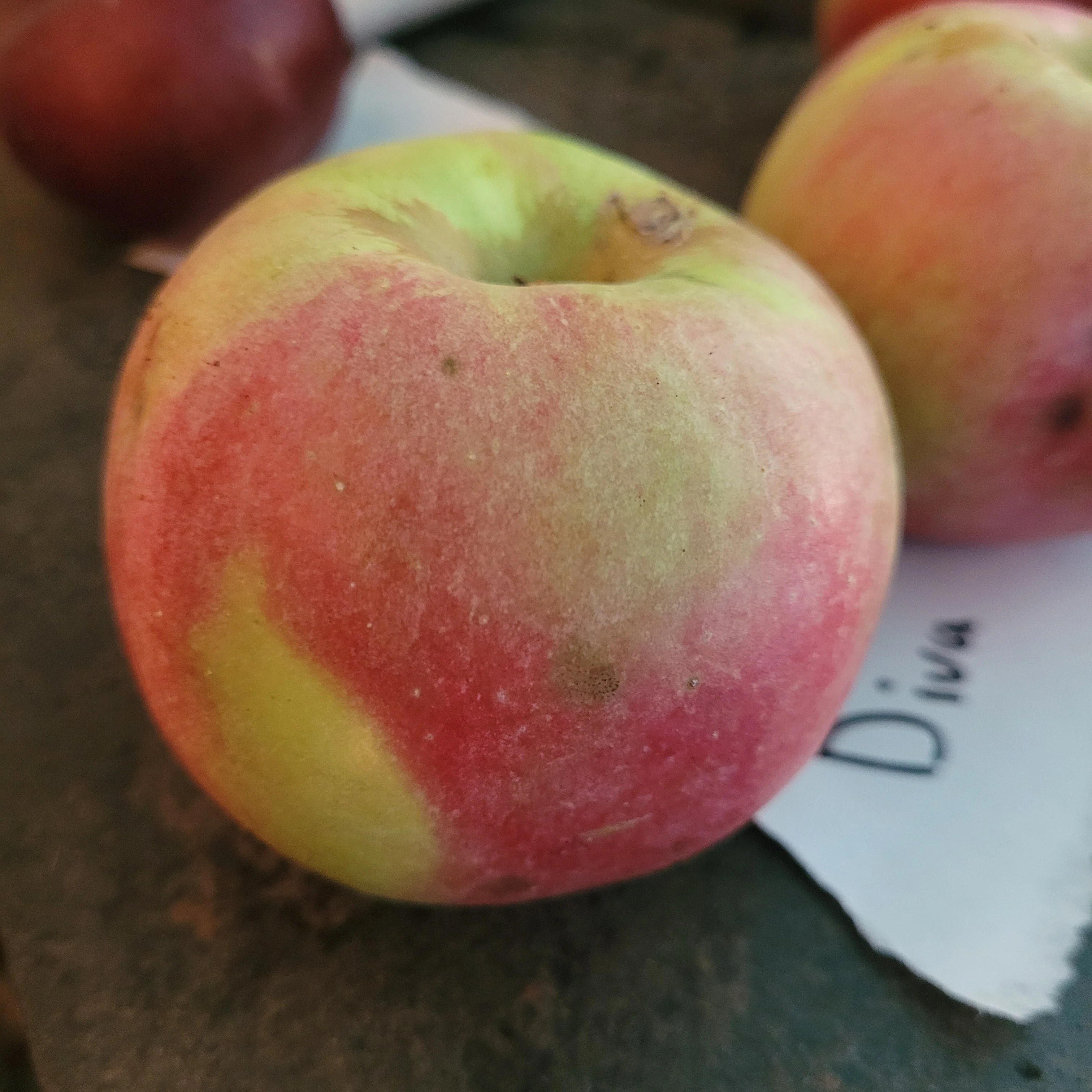
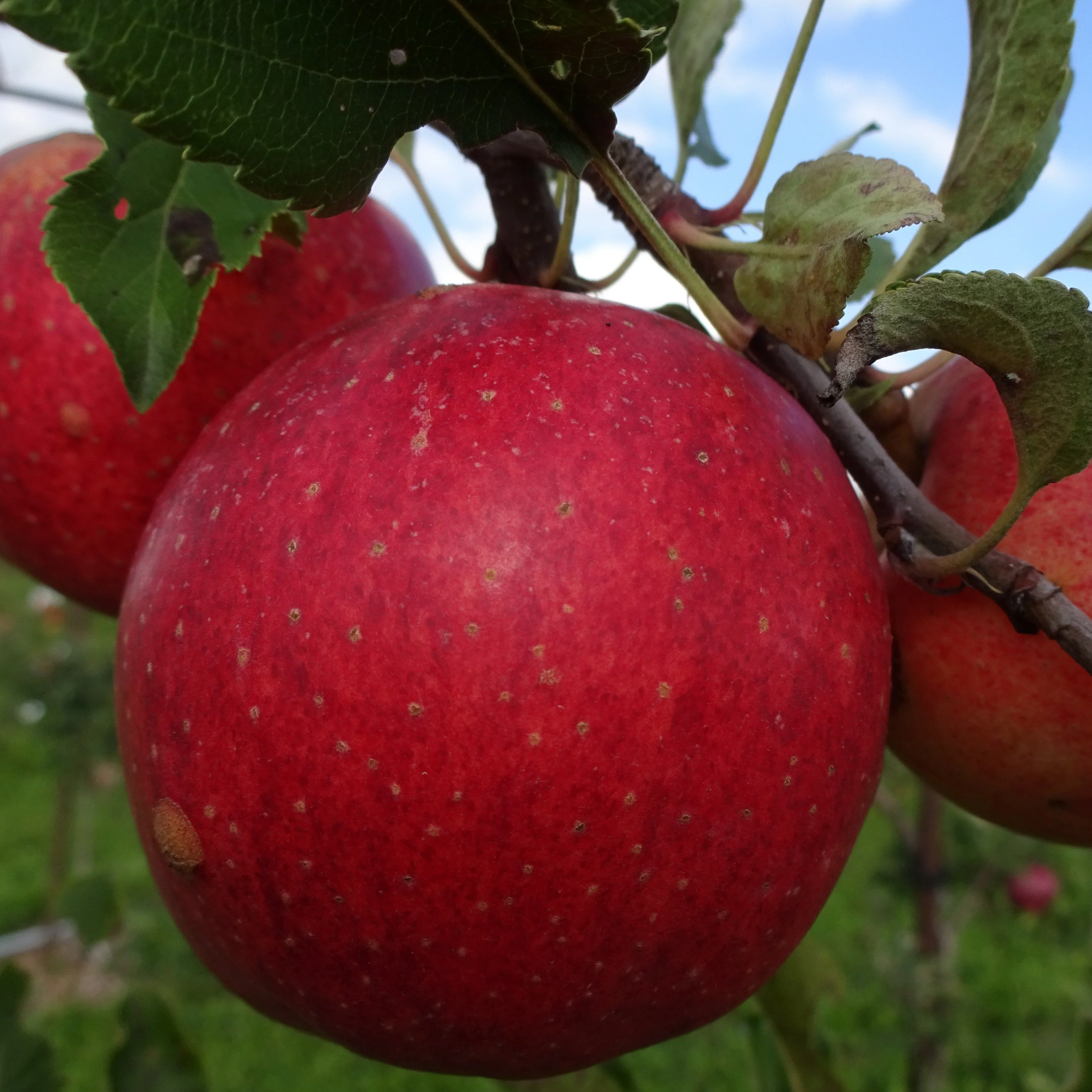
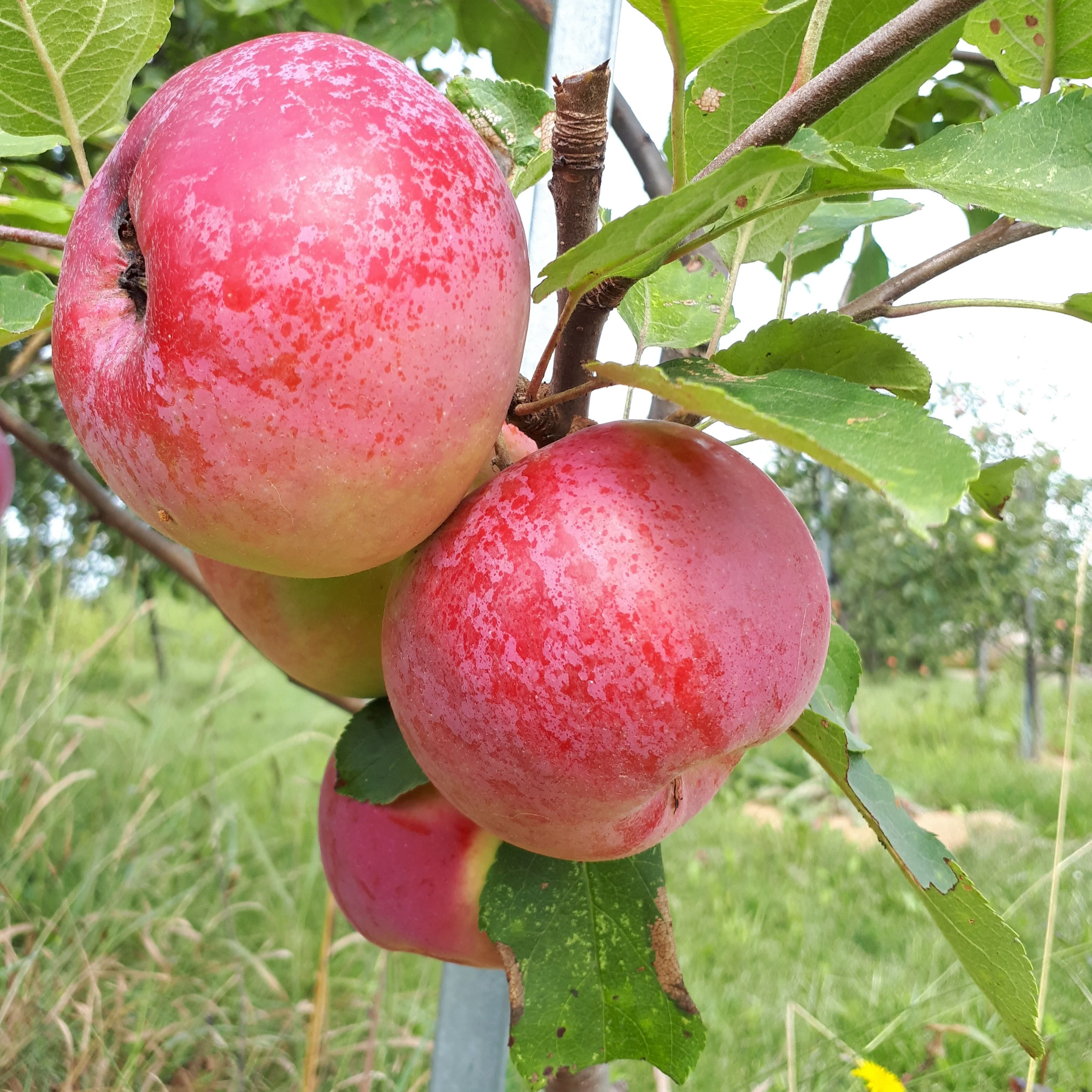
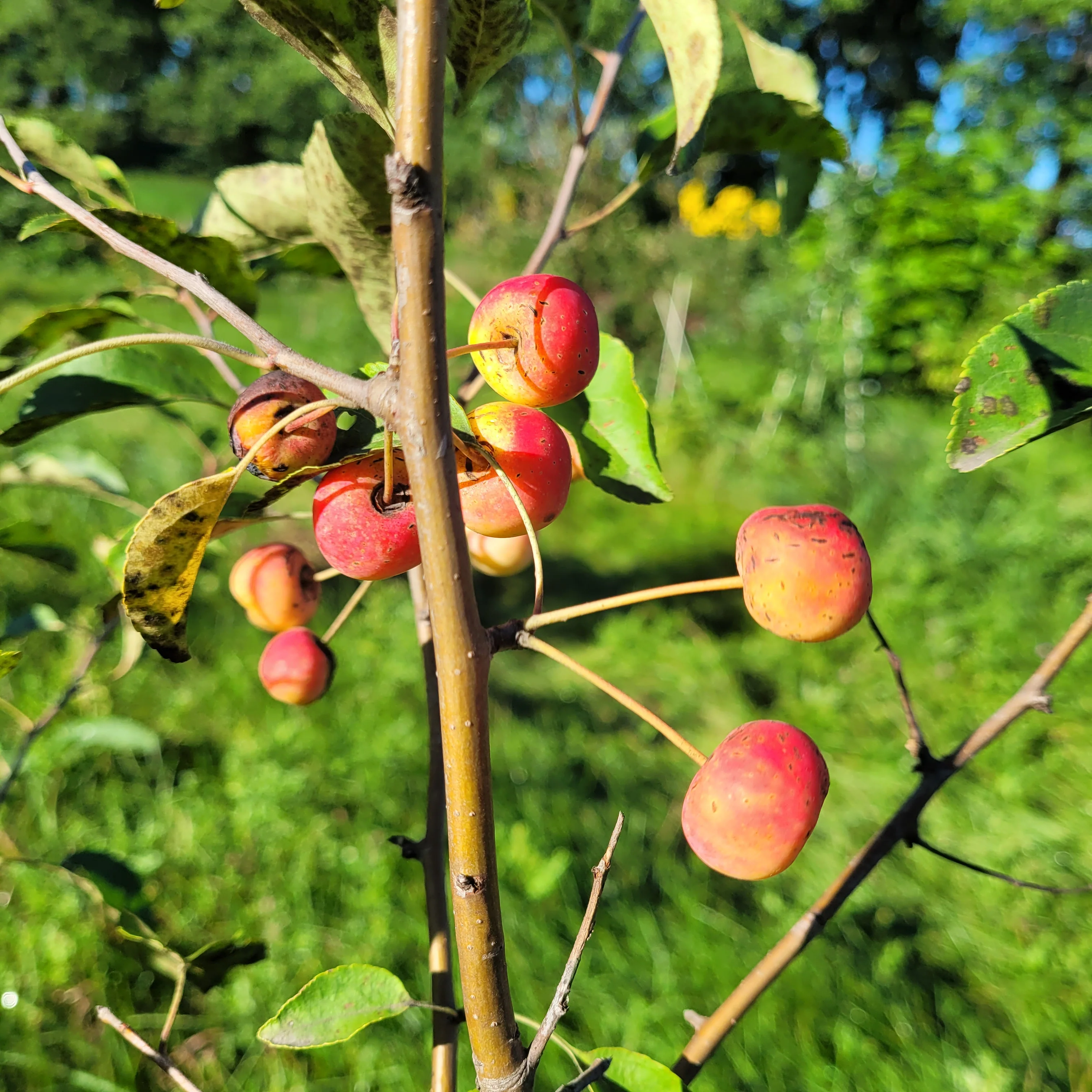
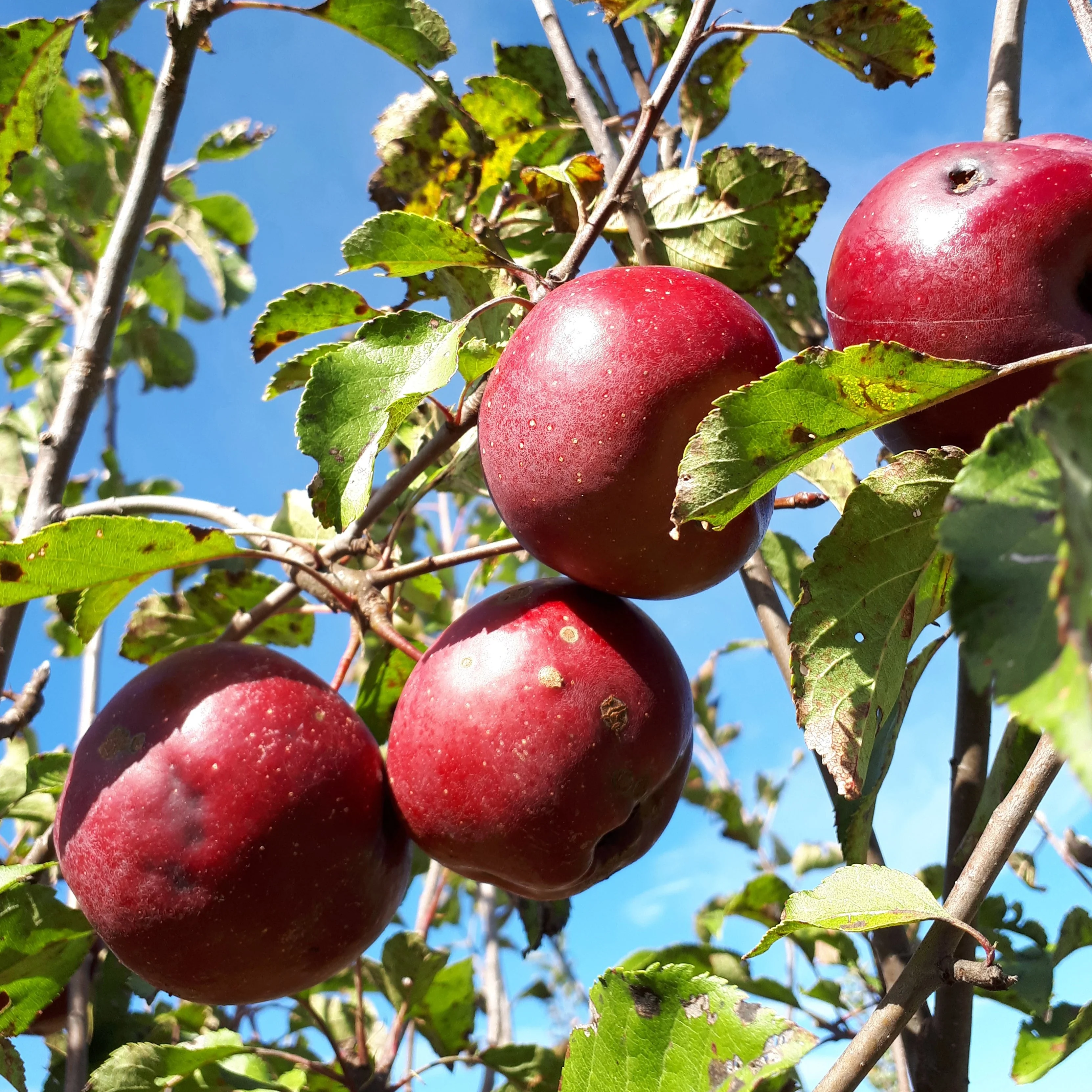
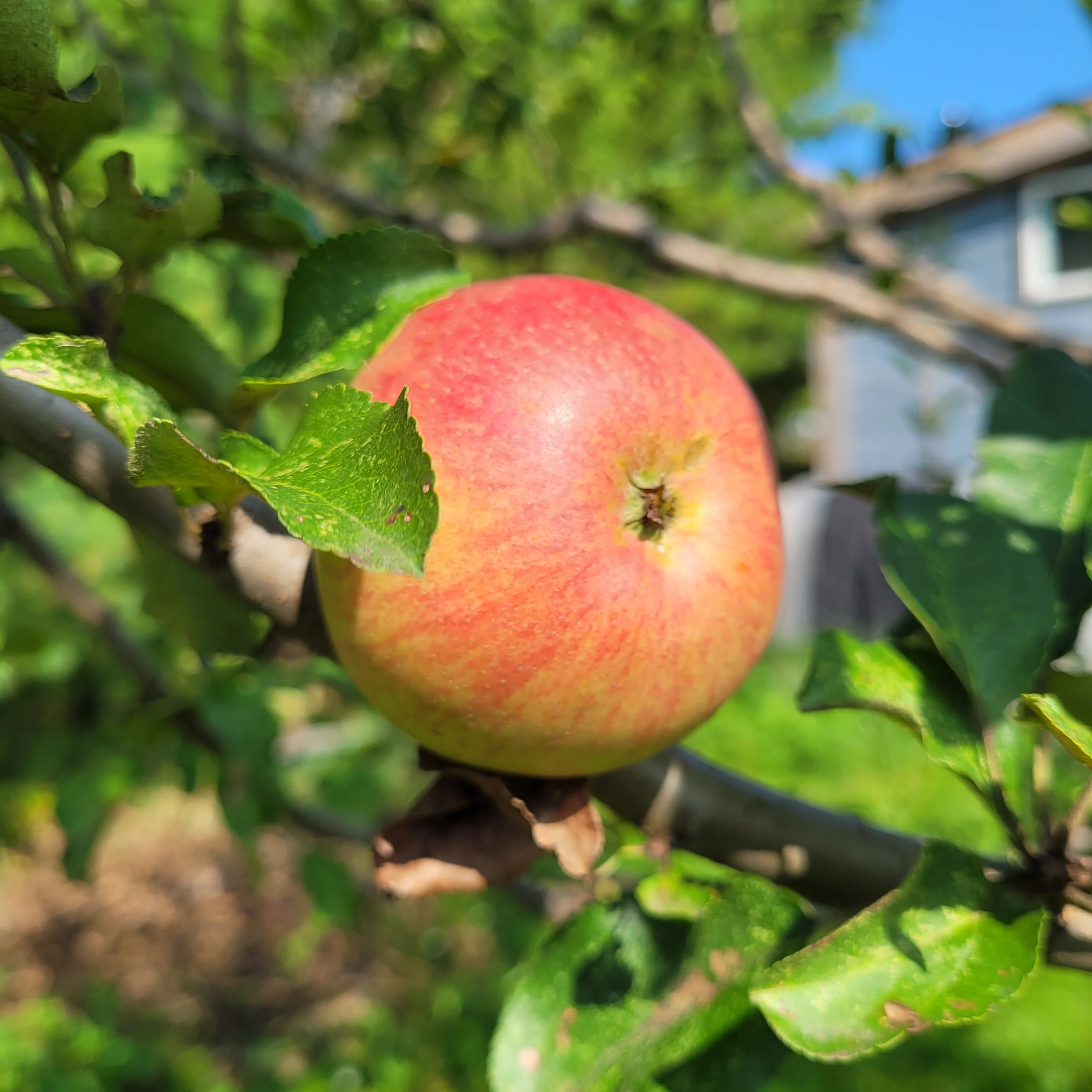
Why We Grow It: Alkmene produces a medium-sized crisp, juicy apple that has yellow skin overlaid with red stripes. The aromatic fruit is known for its rich flavour that is both honeyed and notably sharp. The tree is known to be quite a heavy cropper!
*While the Kaiser Wilhelm Institute was heavily involved with the Nazis during WW2, at the time of Alkmene's development the institute's president was Max Planck, a scientist who staunchly defended his Jewish colleagues. The institute was renamed in his honour following WW2. That is to say, we're not selling a Nazi apple.
Product Information
Product Information
Shipping & Returns
Shipping & Returns
Description
History: Alkmene, aka Early Windsor, was developed by M. Schmidt and H. Murawski at the Kaiser-Wilhelm-Institut für Züchtungsforschung in Müncheberg, Germany in the 1930s.* It was named after Hercules' mother Alcmene. After the chaos of WW2, it took about 30 years for Alkmene to be introduced to the rest of the world. It was released in 1962 and given the name Early Windsor for better marketability. It remains a popular apple in Europe today.
Why We Grow It: Alkmene produces a medium-sized crisp, juicy apple that has yellow skin overlaid with red stripes. The aromatic fruit is known for its rich flavour that is both honeyed and notably sharp. The tree is known to be quite a heavy cropper!
*While the Kaiser Wilhelm Institute was heavily involved with the Nazis during WW2, at the time of Alkmene's development the institute's president was Max Planck, a scientist who staunchly defended his Jewish colleagues. The institute was renamed in his honour following WW2. That is to say, we're not selling a Nazi apple.