Bosc European Pear Scionwood
History: Bosc pears have an unclear history, either originating from Belgium or France. Some say that an M. Bosc in Belgium grew it from seed around 1807 while others believe it was found as an old tree in France in the 1830s and named after horticulturalist Louis Bosc. Bosc's alternate names 'Beurre Bosc' refer to its buttery texture and 'Calebasse Bosc' refers to its gourd-like shape. Regardless of its origins, Bosc has remained popular and is grown in numerous countries around the world.
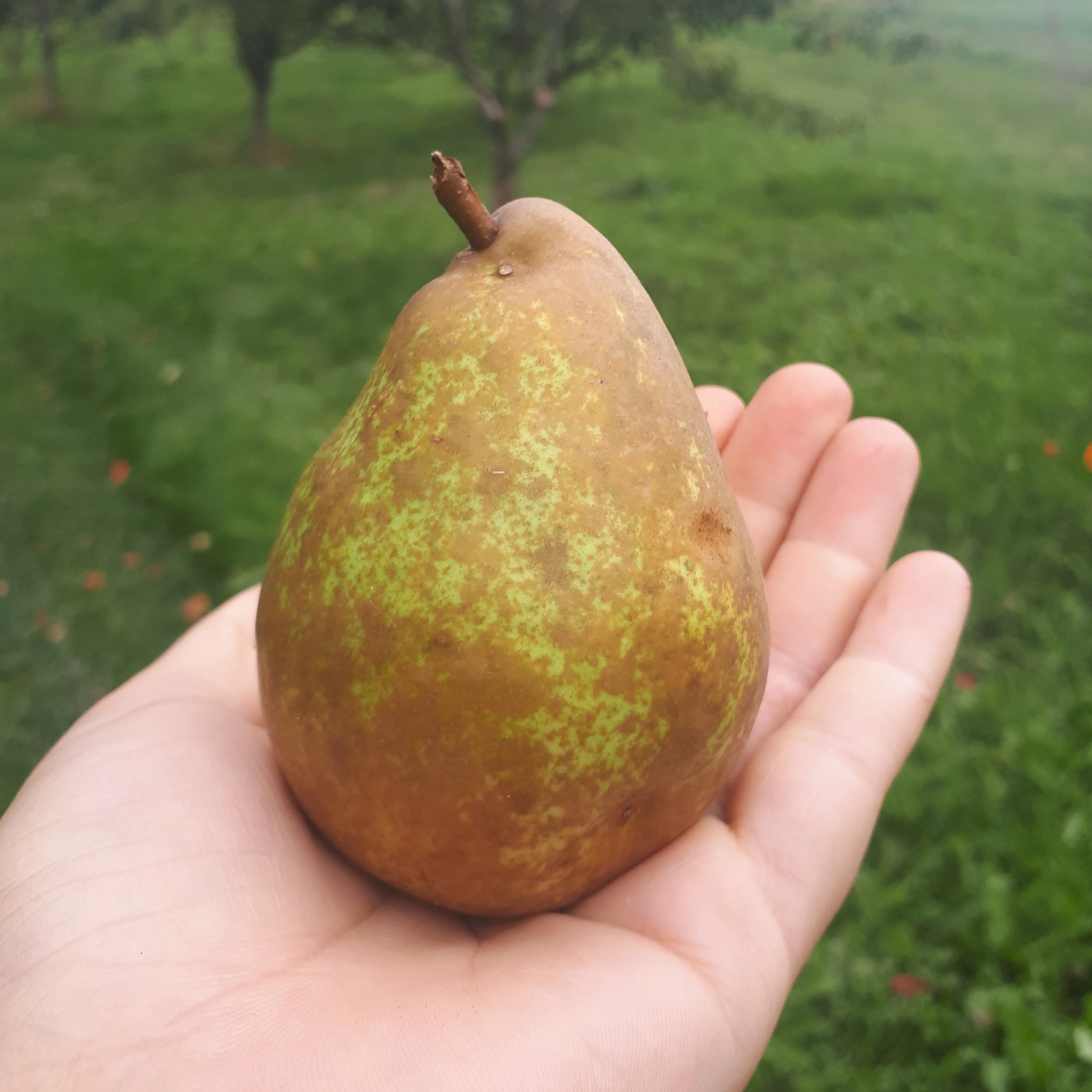
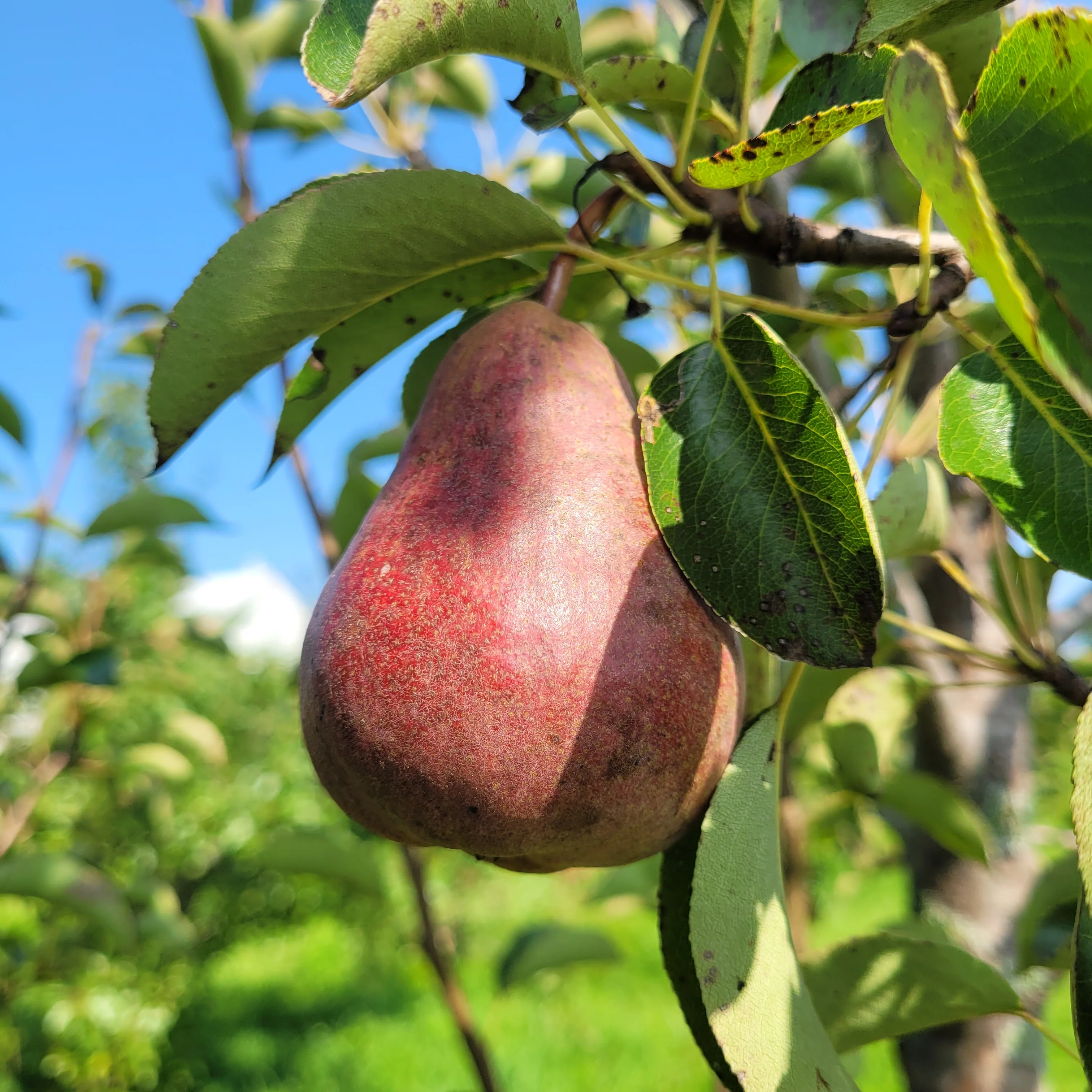
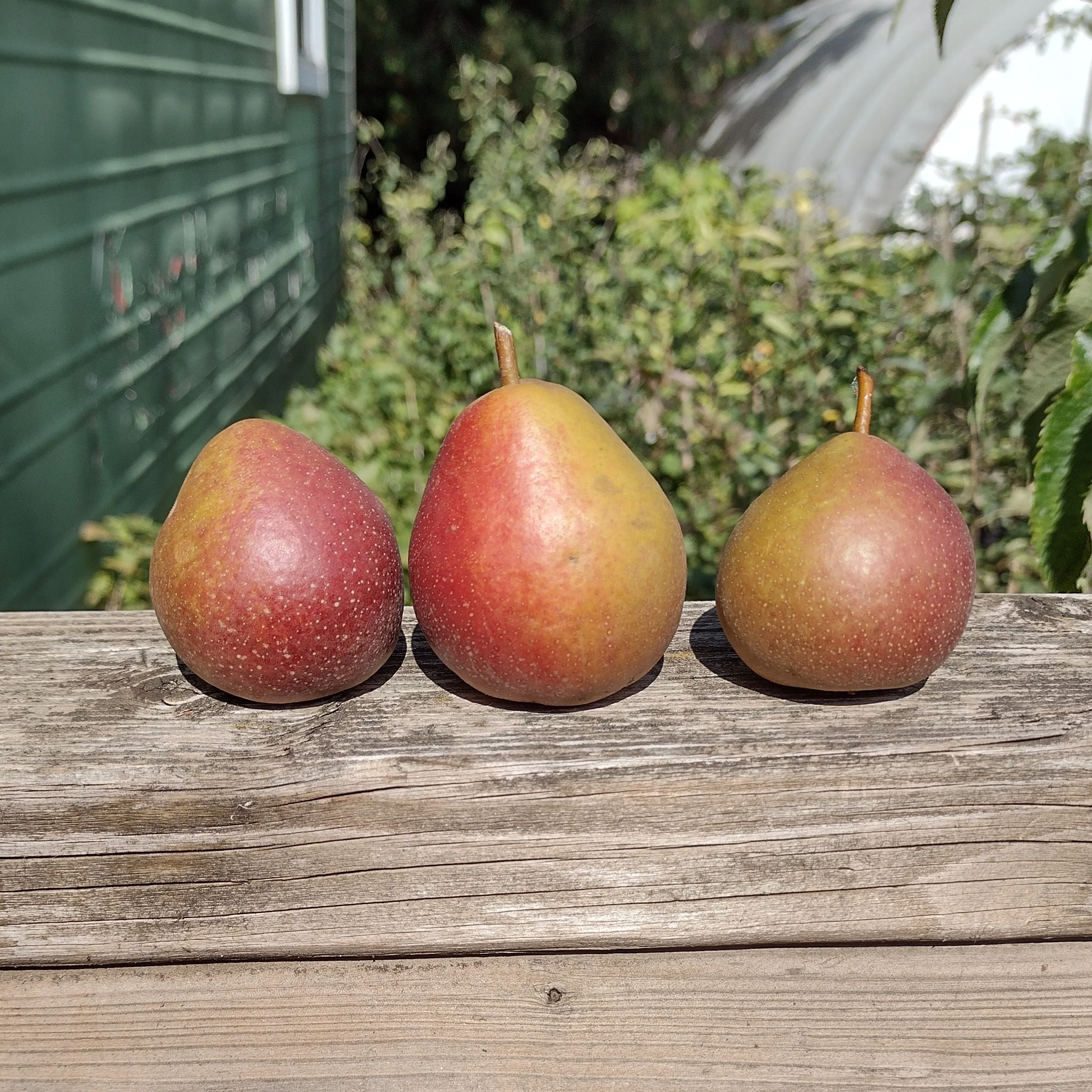
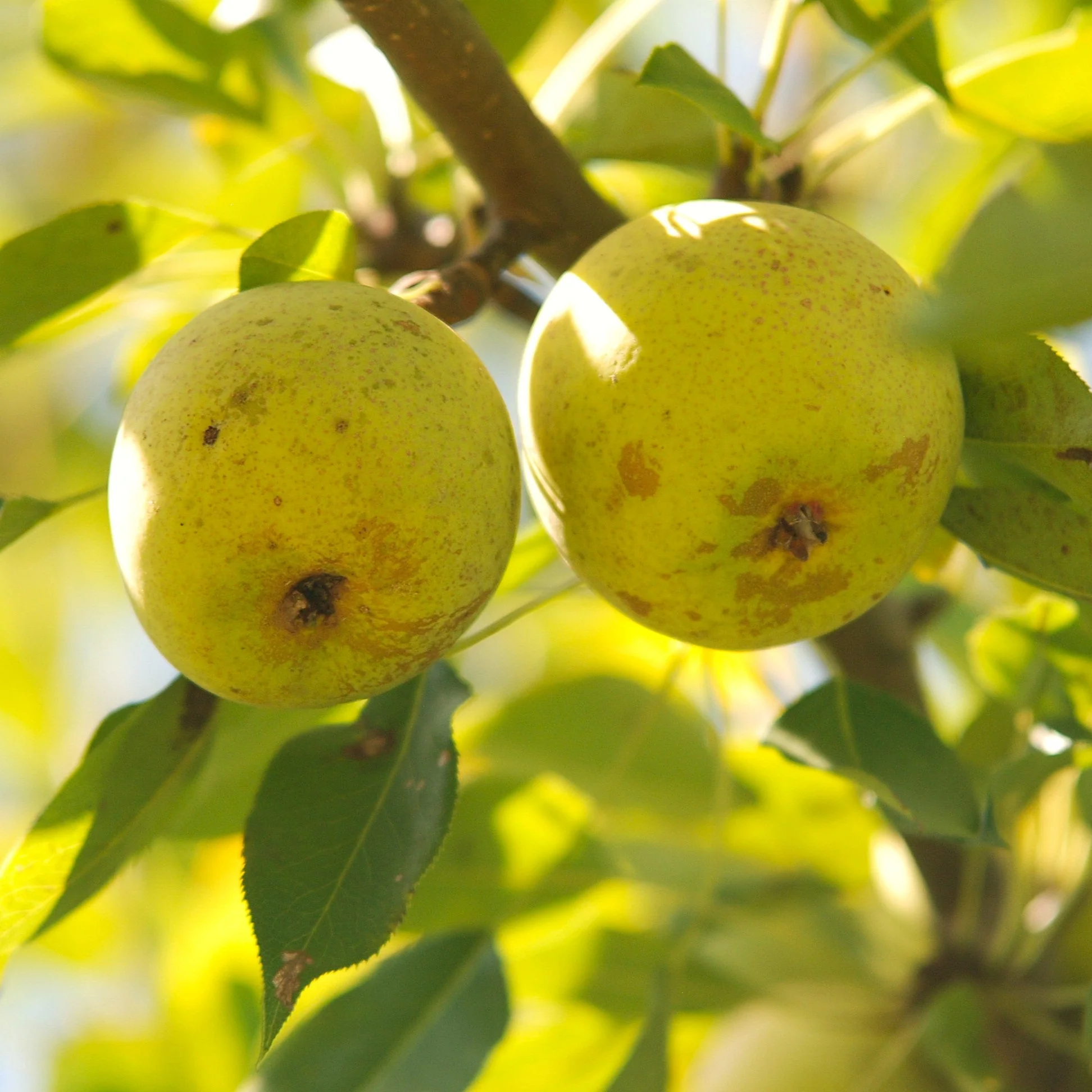
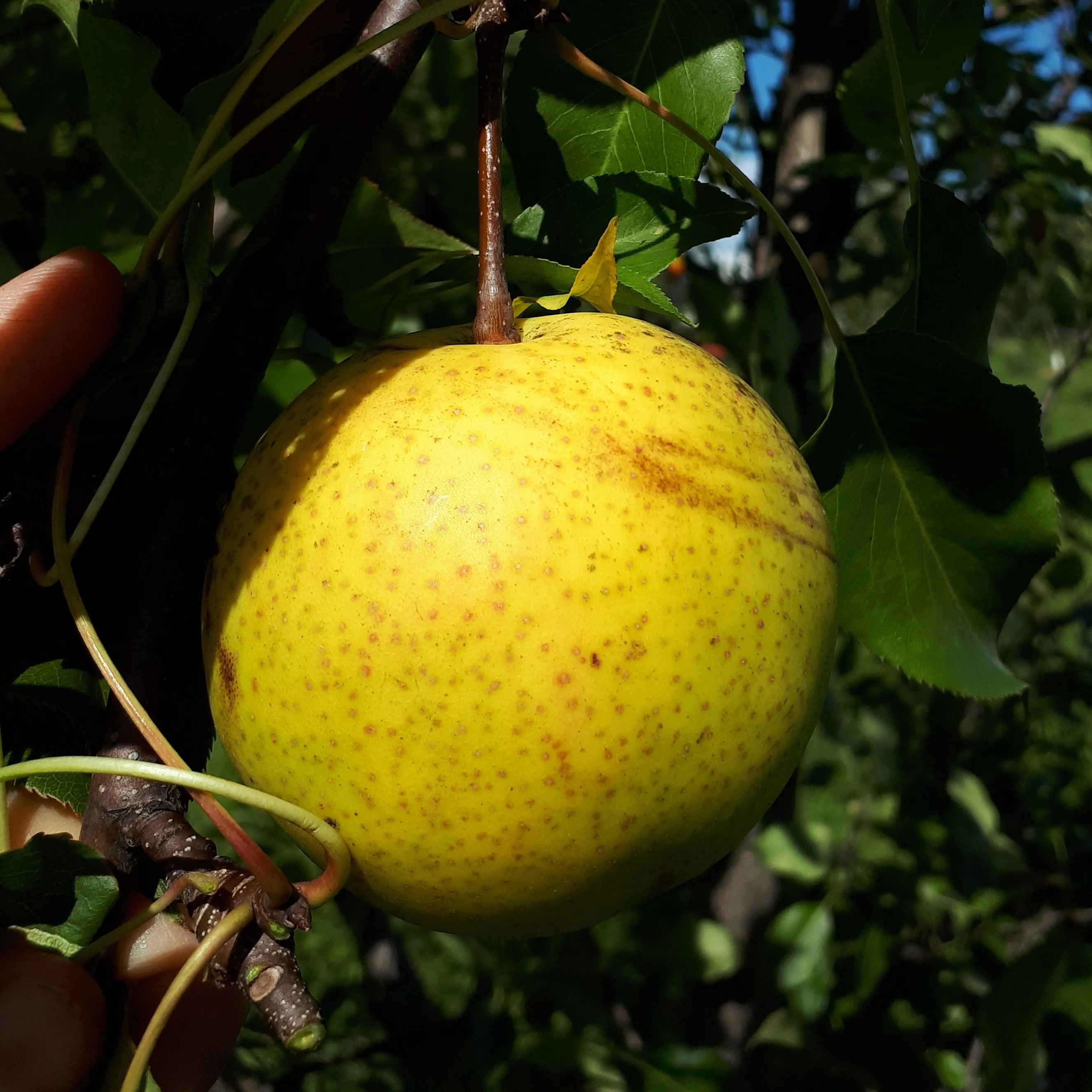
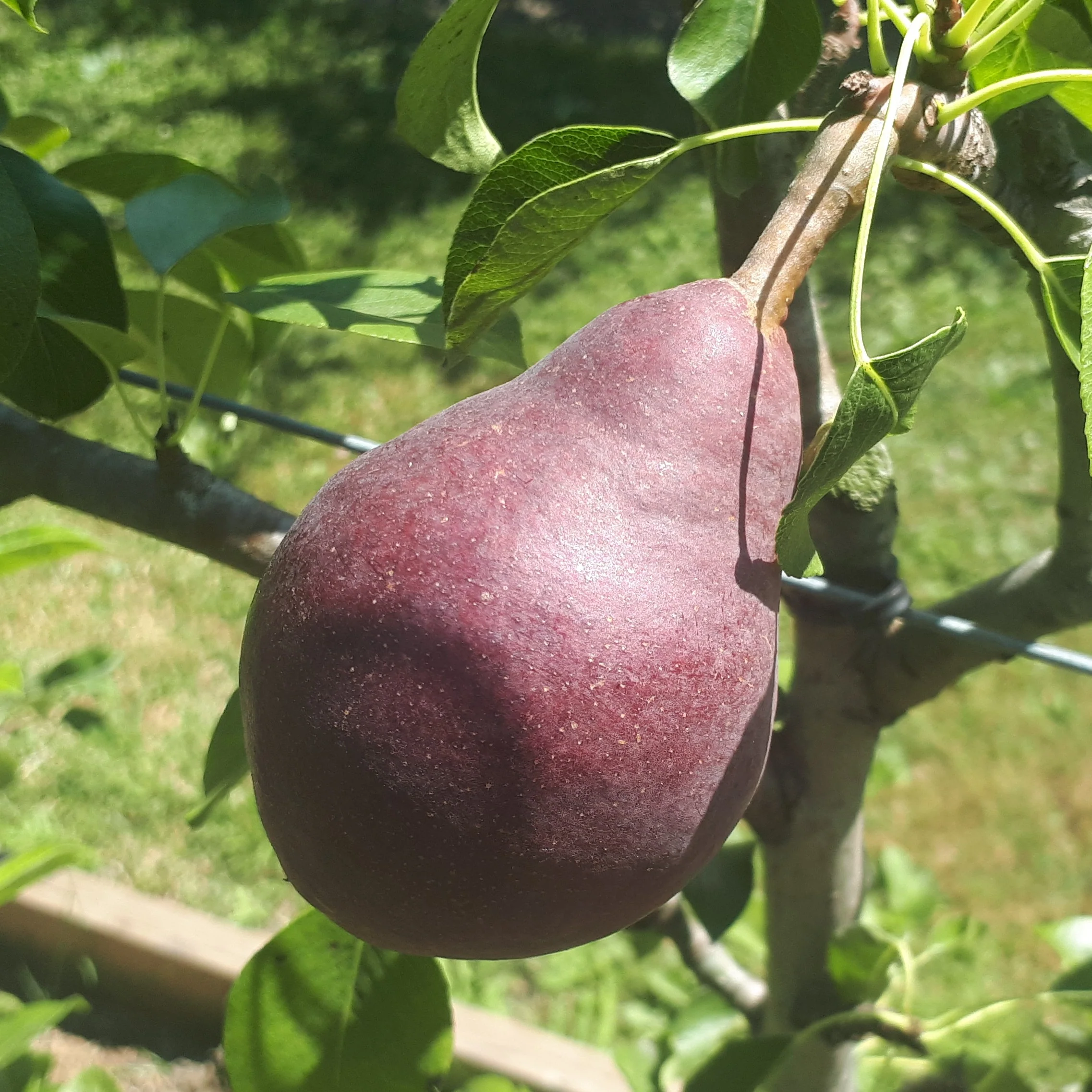
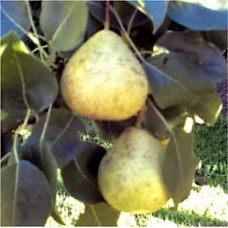
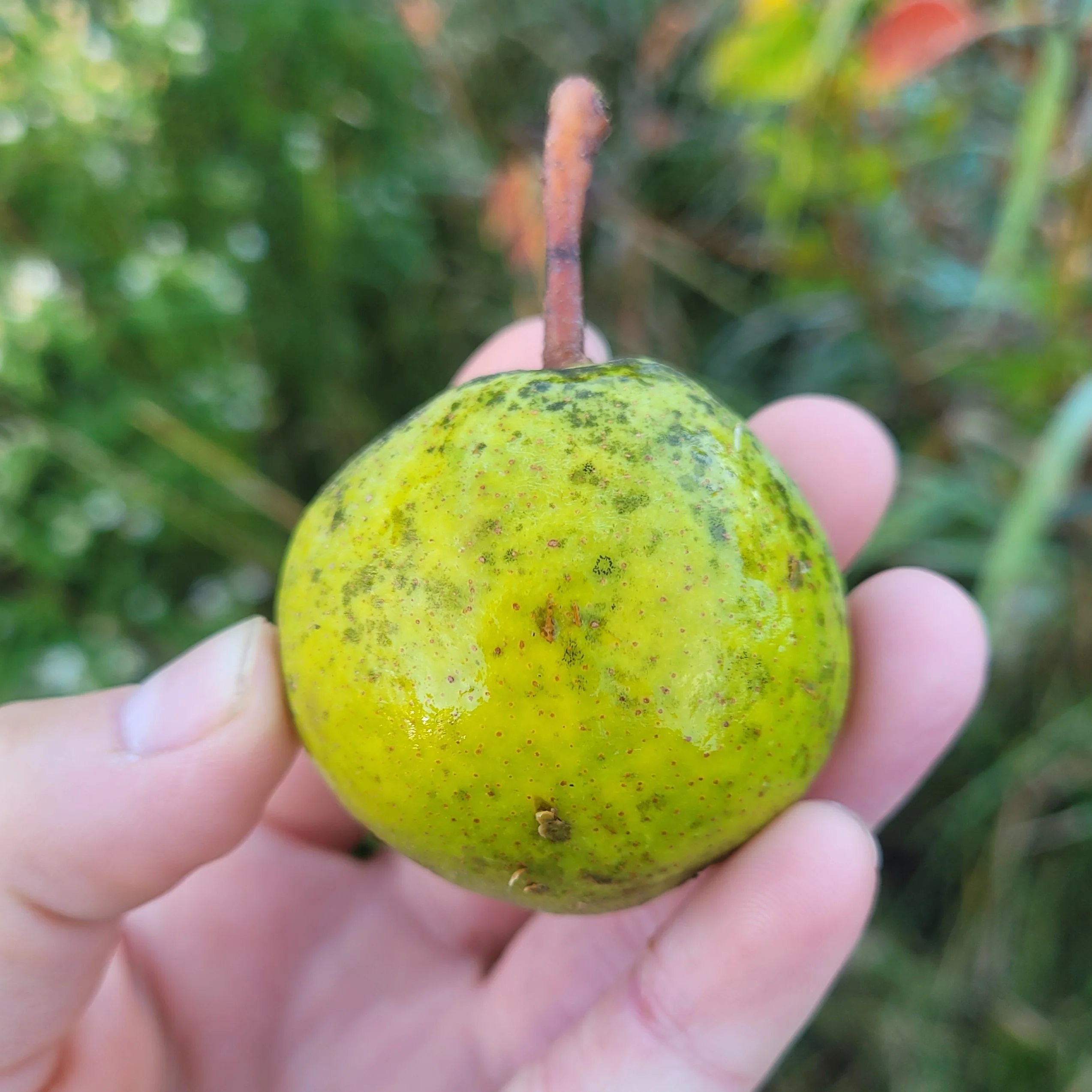
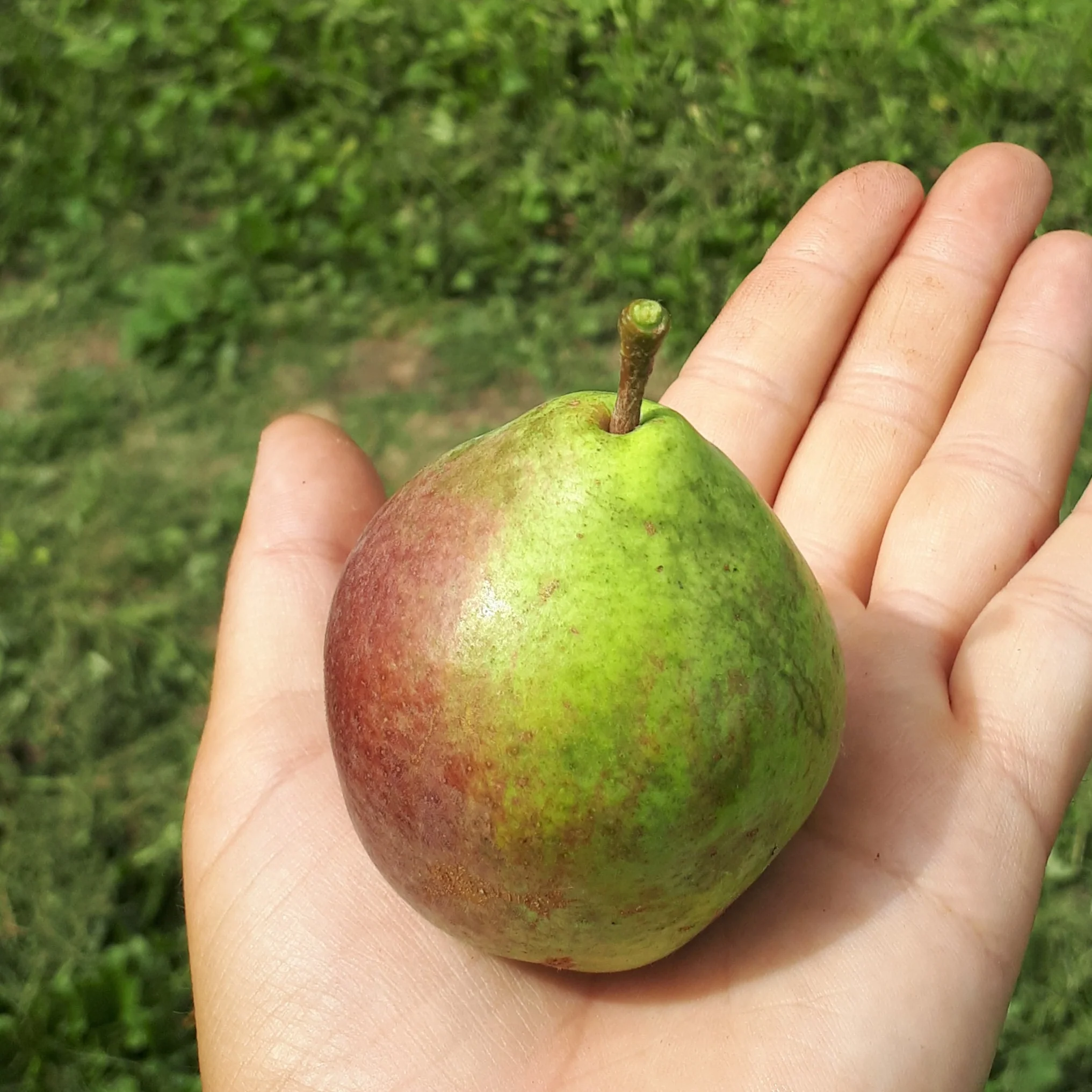
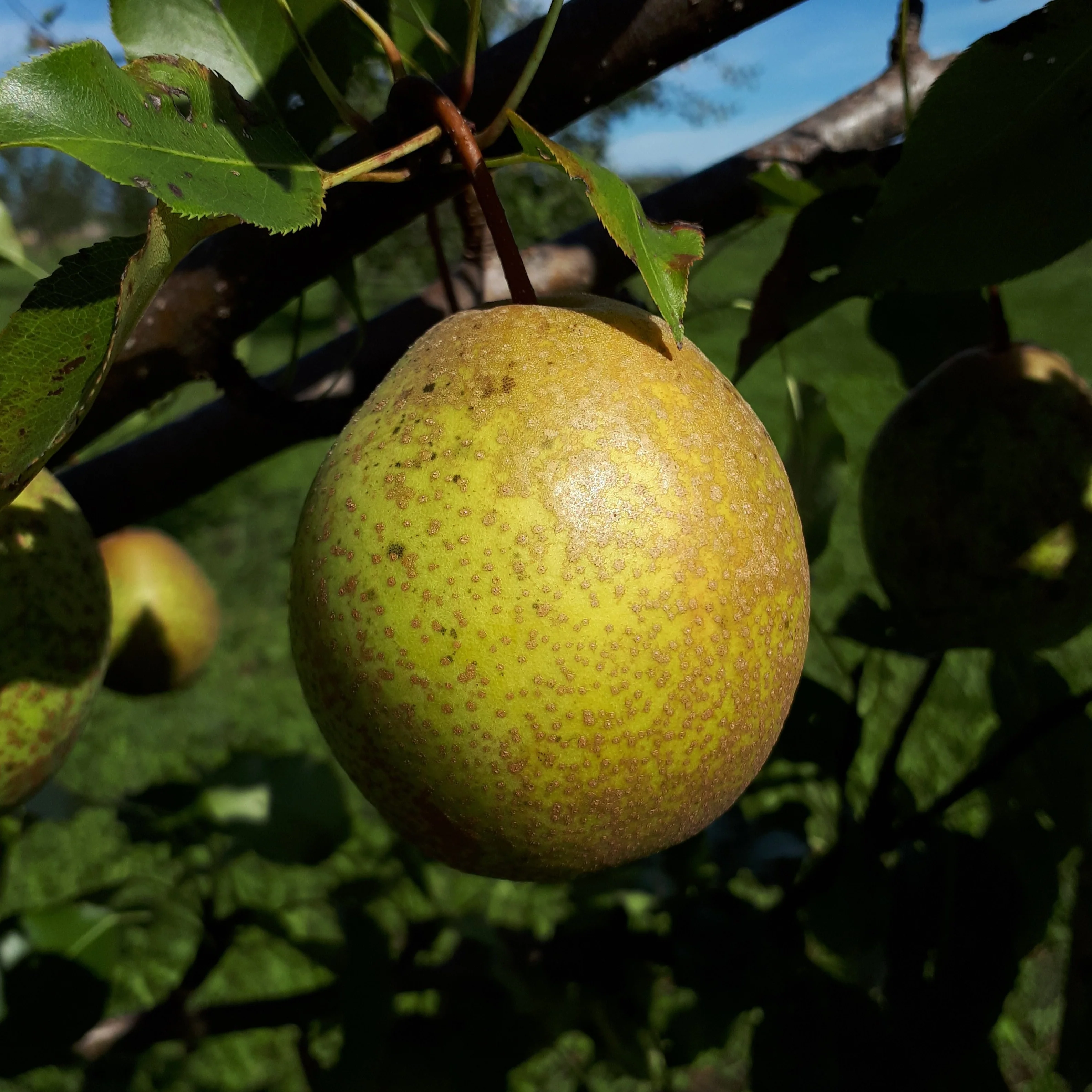
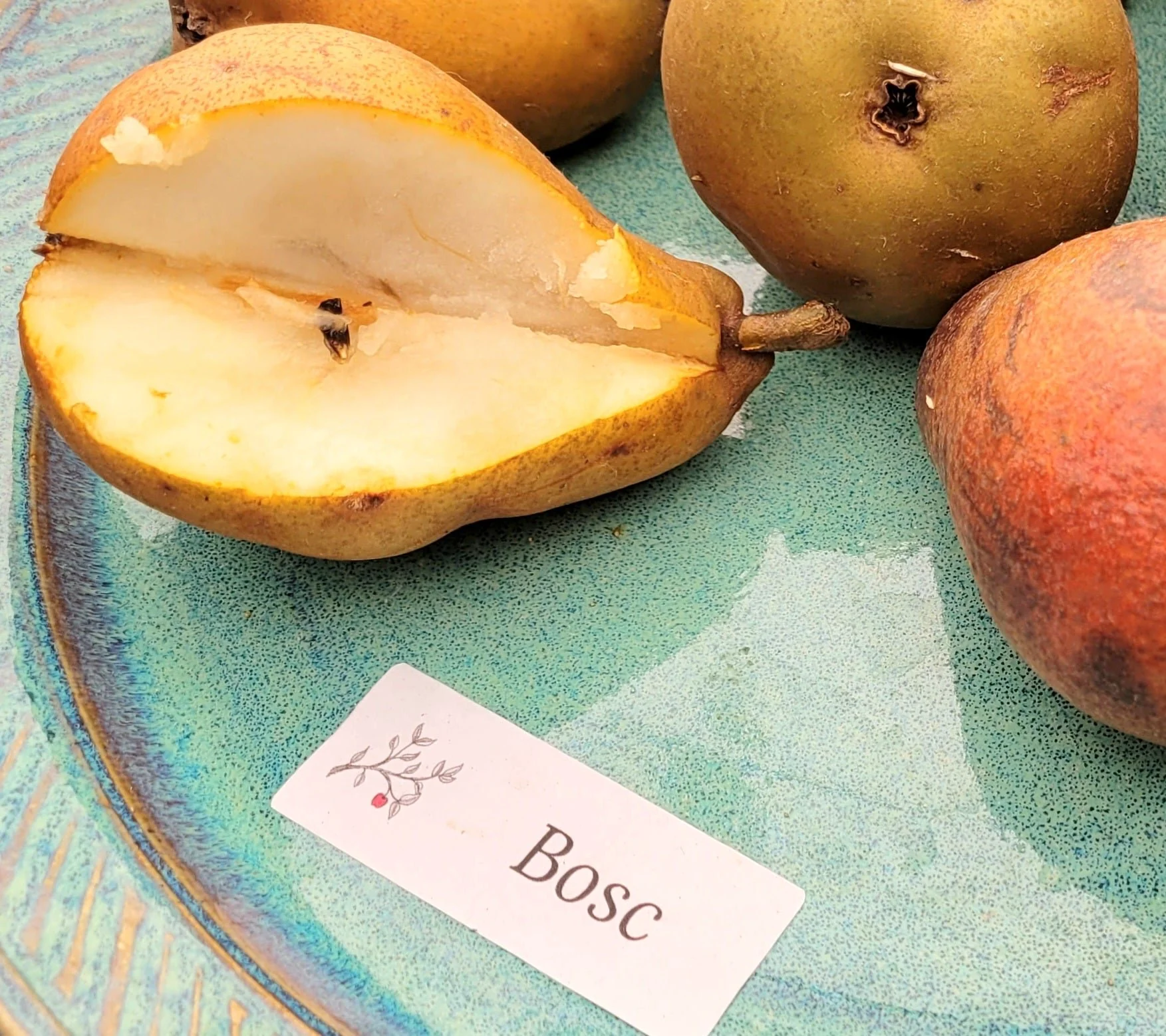
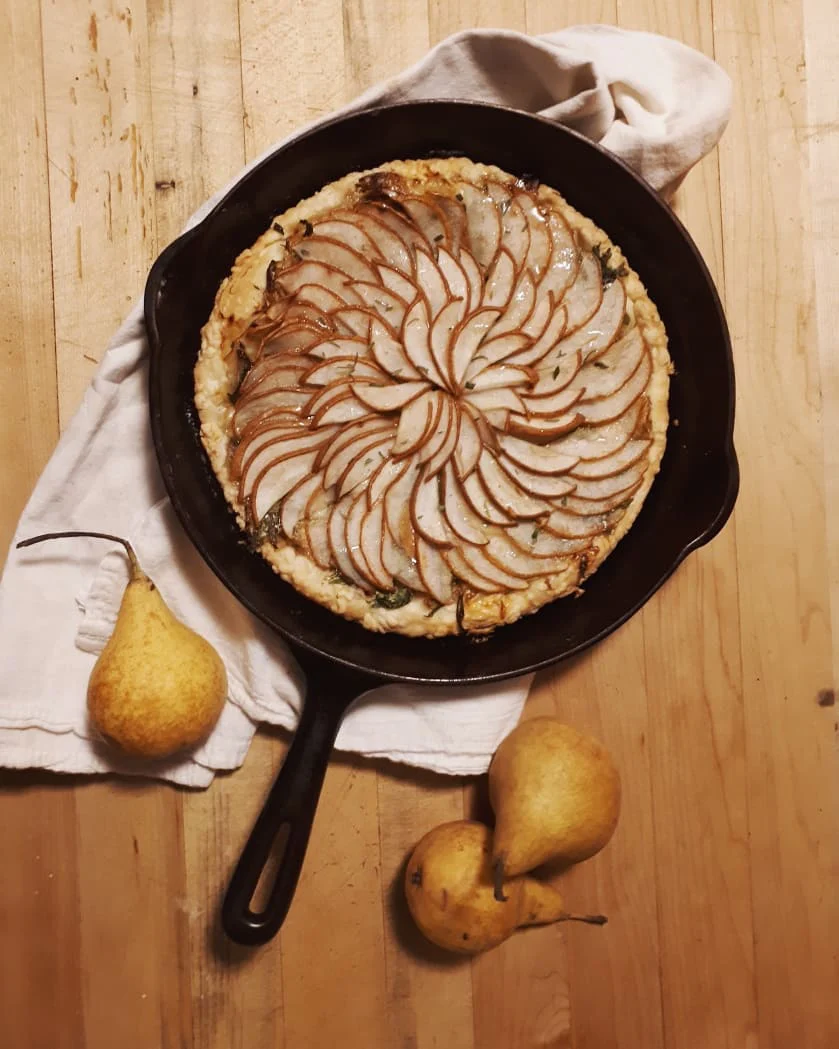
Why We Grow It: Bosc pears are long and slender with golden brown russetted skin. The flesh is of high quality, very sweet, and the pears store much better than most varieties. They can also be used to make a lovely tart, with a sprinkle of thyme for a savory delight!
Product Information
Product Information
Shipping & Returns
Shipping & Returns
Description
History: Bosc pears have an unclear history, either originating from Belgium or France. Some say that an M. Bosc in Belgium grew it from seed around 1807 while others believe it was found as an old tree in France in the 1830s and named after horticulturalist Louis Bosc. Bosc's alternate names 'Beurre Bosc' refer to its buttery texture and 'Calebasse Bosc' refers to its gourd-like shape. Regardless of its origins, Bosc has remained popular and is grown in numerous countries around the world.
Why We Grow It: Bosc pears are long and slender with golden brown russetted skin. The flesh is of high quality, very sweet, and the pears store much better than most varieties. They can also be used to make a lovely tart, with a sprinkle of thyme for a savory delight!